BOATERS BLOG
Boating without a license isn’t required in every state across the country. While some states require one to be held by a captain of a certain age, other states simply encourage one to be obtained. To help figure out your state’s requirements, or if you’re new to the boating world, NBOA is here with all the information about boating licenses and safety certificates. Whether required by law or not, it’s always a smart decision to take a boater’s safety course before hitting the water and setting sail. Remember, novice and seasoned boaters alike can encounter unexpected challenges, so staying up to date and familiar with the basics of boat safety can make or break the situation.
What Is a Boating License or Safety Certificate?
 Much like a diver’s license, a boating license (sometimes referred to as a safety certificate or boater education card) is proof that you are well acquainted with watercraft regulations, proper navigation through waterways, state-specific boating laws, wildlife protection guidelines, and overall boat safety. In order to obtain a license or certificate for safe boating, one must take and pass a boater’s safety course either online or in person. Beyond building confidence and knowledge at the helm, earning a boating license can sometimes lead to insurance discounts and allow you to legally operate a boat in states that require boating safety certification.
Why It’s Important to Obtain a Boating License or Safety Certificate
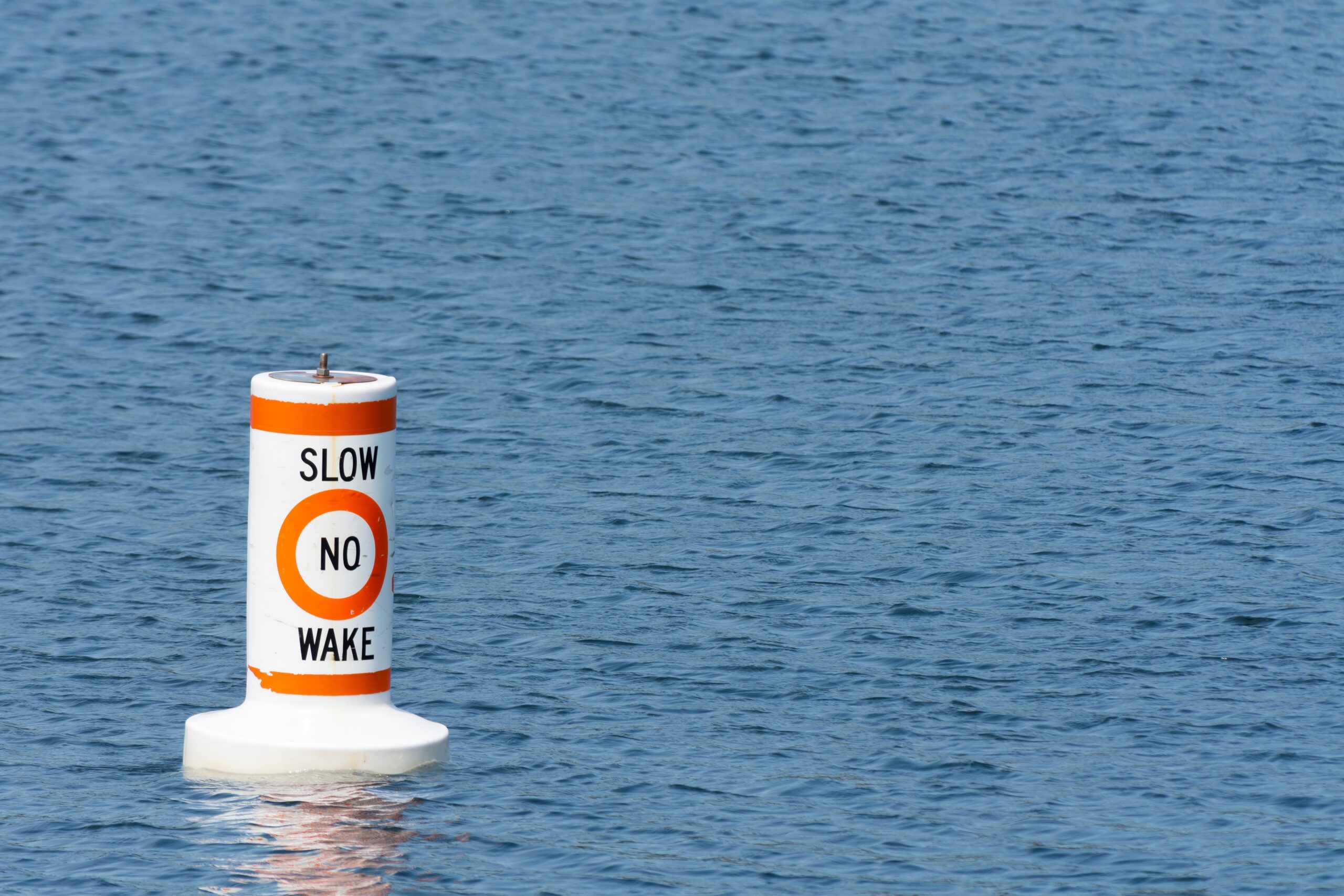 Boat safety courses are just that, a means for learning how to stay safe on the water during all sorts of boating adventures. It’s the best way to learn the ins and outs of boating and become well acquainted with the rules of the water. Boating courses start with the basics, and that includes the different kinds of boats and activities each vessel is best suited for, which could be quite helpful if you’re also looking to buy your own watercraft. Great for new boaters, a safety course is also the perfect way to learn more about boat anatomy and equipment from both practical and safety perspectives. Additionally, reading, interpreting, and navigating a variety of weather conditions are crucial parts of boating covered in boat safety courses. Of course, all of this knowledge and more is priceless when you’re on the water with friends and family.
Boating License and Safety Certificate Requirements by State
If you’re at the helm, you’ll need to carry a boating license if you are…
12 years or older
Not required
Not required
Born after January 1, 1986
Operating a motorized watercraft, regardless of age
Colorado
14 – 17 years old
Connecticut
Operating a motorized watercraft and are a resident or owner of property in the state
Born after December 31, 1977
Born after January 1, 1988, and operating a motorized watercraft with 10hp or more
 Gerogia
Born after January 1, 1998
Hawaii
Operating a watercraft regardless of age
Idaho
Not required
Illinois
Born after January 1, 1998
15 years old with a valid ID card, until you obtain a valid driver’s license
Iowa
12 – 17 years old and operating a motorized watercraft with 10hp or more
Born after January 1, 1989, or younger than 21
Kentucky
12 – 17 years old
Born after January 1, 1984, and operating a motorized watercraft with 10hp or more
Born after January 1, 1999, and operating a personal watercraft or a motorized watercraft with 25hp or more
Born after July 1, 1972
 Massachusetts
Born after January 1, 1989
Michigan
After June 30, 1996
Minnesota
Born on or after July 1, 2004, or younger than 21
Mississippi
Born after June 30, 1980
Born after January 1, 1984
Montana
13 – 14 years old and operating a motorized watercraft with 10hp or more
Nebraska
Born after December 31, 1985
Nevada
Born after January 1, 1983, and operating a motorized watercraft with 15hp or more
New Hampshire
16 years and older and operating a motorized watercraft with 25hp or more
New Jersey
Operating a watercraft regardless of age
New Mexico
Born after January 1, 1989
Operating a watercraft regardless of age
Born after January 1, 1988
North Dakota
12 – 15 years old
Born after January 1, 1982, and operating a motorized watercraft with 10hp or more
Oklahoma
12 – 15 years old
Oregon
Operating a motorized watercraft with 10hp or more, regardless of age
Born after January 1, 1982, and operating a personal watercraft or motorized watercraft with 25hp or more
Rhode Island
Born after January 1, 1986, operating a motorized watercraft with 10hp or more
Born after July 1, 2007, operating a motorized watercraft with 15hp or more
South Dakota
Not required
Born after January 1, 1989, and a resident of the state
Born on or after September 1, 1993, operating a motorized watercraft with 15hp or more, or a nonmotorized watercraft 14 ft or longer
 Utah
Utah
12-17 years old
Vermont
Born after January 1, 1974
14 years or older and operating a personal watercraft or motorized watercraft with 10hp or more
Washington
Operating a motorized watercraft with 15hp or more, regardless of age
West Virginia
Born after December 31, 1986
Born after January 1, 1989, and 12 years or older
Wyoming
Not required
Disclaimer: Please verify official sources, as state requirements are subject to change.
There is nothing better than a successful boating adventure, and no matter where your nautical journey takes you, staying informed and prepared is always the best course of action. A boating license or safety certificate is one of the smartest steps toward safer, more confident voyages on the water. And for even more peace of mind, you can always count on the experts at NBOA to steer you in the right direction for insights, insurance, and more.