BOATERS BLOG
Virginia’s Nautical Paradise: Exploring the Heart of American Boating
By NBOA •March 20, 2024
In Virginia, history flows as richly as the waters that carve its landscapes and offer an unparalleled boating experience that weaves through the heart of American heritage and natural beauty. Its diverse waterways give boaters an array of experiences set against a backdrop of stunning natural beauty and rich American history, from the expansive Chesapeake Bay to the tranquil shores of Smith Mountain Lake. With over 7,500 miles of shoreline, Virginia provides endless opportunities for exploration, recreation, and relaxation. Whether you’re into high-speed water sports, peaceful fishing excursions, or scenic cruises past historic landmarks, Virginia’s waters cater to all preferences. Moreover, the state’s commitment to maintaining clean and accessible waterways ensures a safe and enjoyable boating environment for everyone. Learn from the experts at NBOA why Virginia’s unique blend of natural wonders and boater-friendly amenities make it a top choice for boaters seeking a memorable experience on the water.
Top 7 Boating Destinations in Virginia
Chesapeake Bay
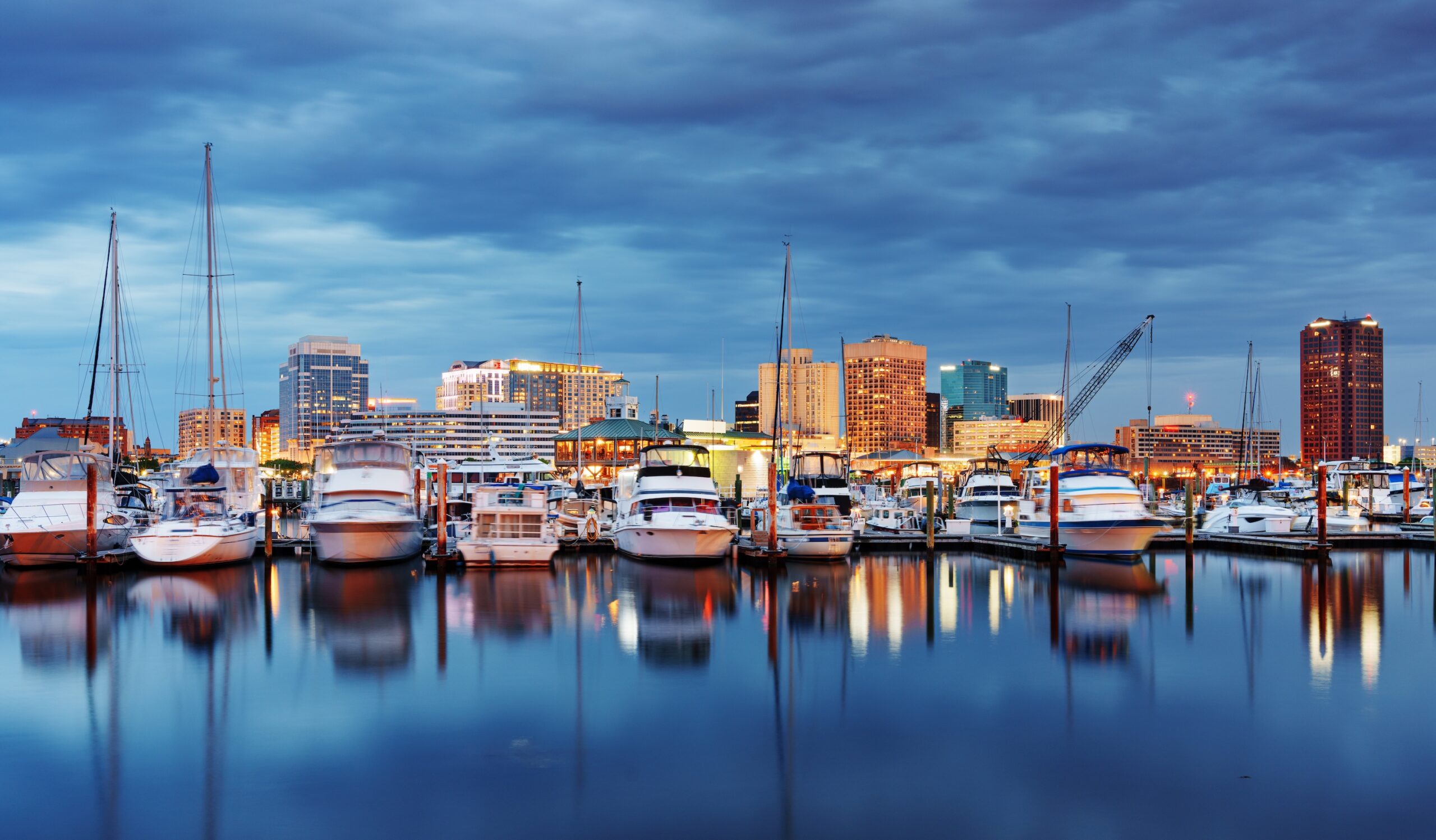
As the largest estuary in the United States, Chesapeake Bay is a boater’s dream. Its vast expanse allows for a wide range of activities, including fishing, cruising, and watersports. The bay’s numerous marinas and dock facilities cater to motorboats of all sizes, making it easy to explore its historic waterways and natural beauty.
Kerr Lake (Buggs Island)
Straddling the Virginia-North Carolina border, Kerr Lake, also commonly known as Buggs Island, is one of the largest reservoirs in the Southeast, with 800 miles of breathtaking shoreline. Its vast waters are perfect for boating, with numerous coves and inlets to explore, excellent fishing, and plenty of space for water sports.
Smith Mountain Lake
Smith Mountain Lake, nestled in the Blue Ridge Mountains, is perhaps one of the most popular destinations in Virginia for boat enthusiasts. With 500 miles of shoreline and deep, clear waters, it’s perfect for everything from leisurely cruising to high-speed water sports. The lake’s marinas and boat ramps ensure easy access for all types of motorboats.
Claytor Lake
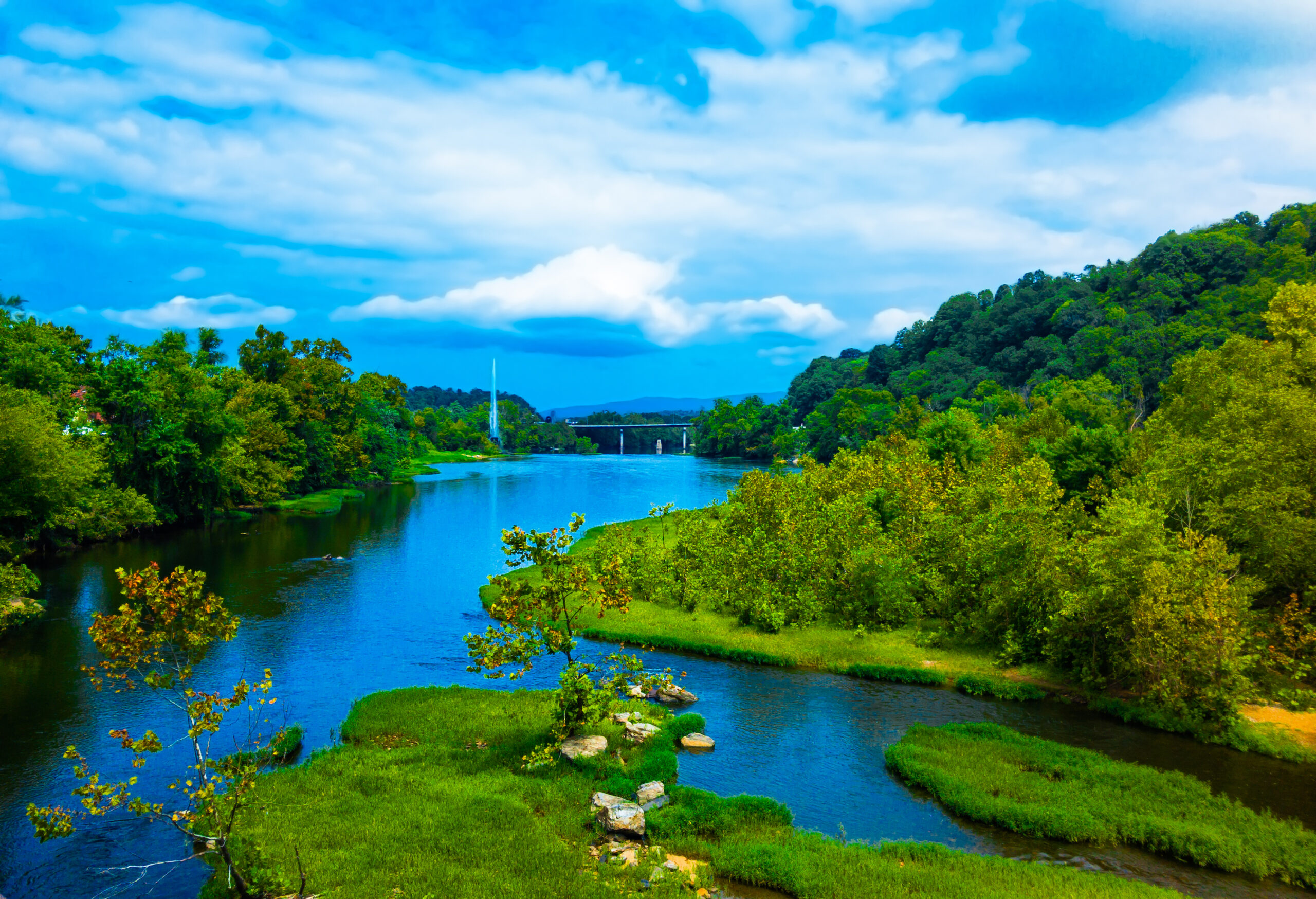
Located in Pulaski County, Claytor Lake is a 4,500-acre reservoir that offers clear waters and beautiful scenery. As a beloved state park, it’s well-suited for boating, water skiing, fishing, and camping and has several public boat launches for easy access and boat slip rentals.
James River
The James River is the largest in Virginia at 340 miles long. Flowing through much of the state, it allows boaters to navigate through Virginia’s heartland with a mix of calm waters and mild rapids, suitable for more adventurous boaters. With various access points along its course, you can enjoy fishing, sightseeing, and exploring the river’s rich history.
Lake Anna
Known for its warm waters and scenic beauty, Lake Anna is a favorite due to its warm waters, scenic beauty, and abundance of crappie, largemouth bass, and bream. The lake offers over 200 miles of shoreline, with numerous boat launches and rental services, making it ideal for the whole family.
Leesylvania State Park & Potomac River
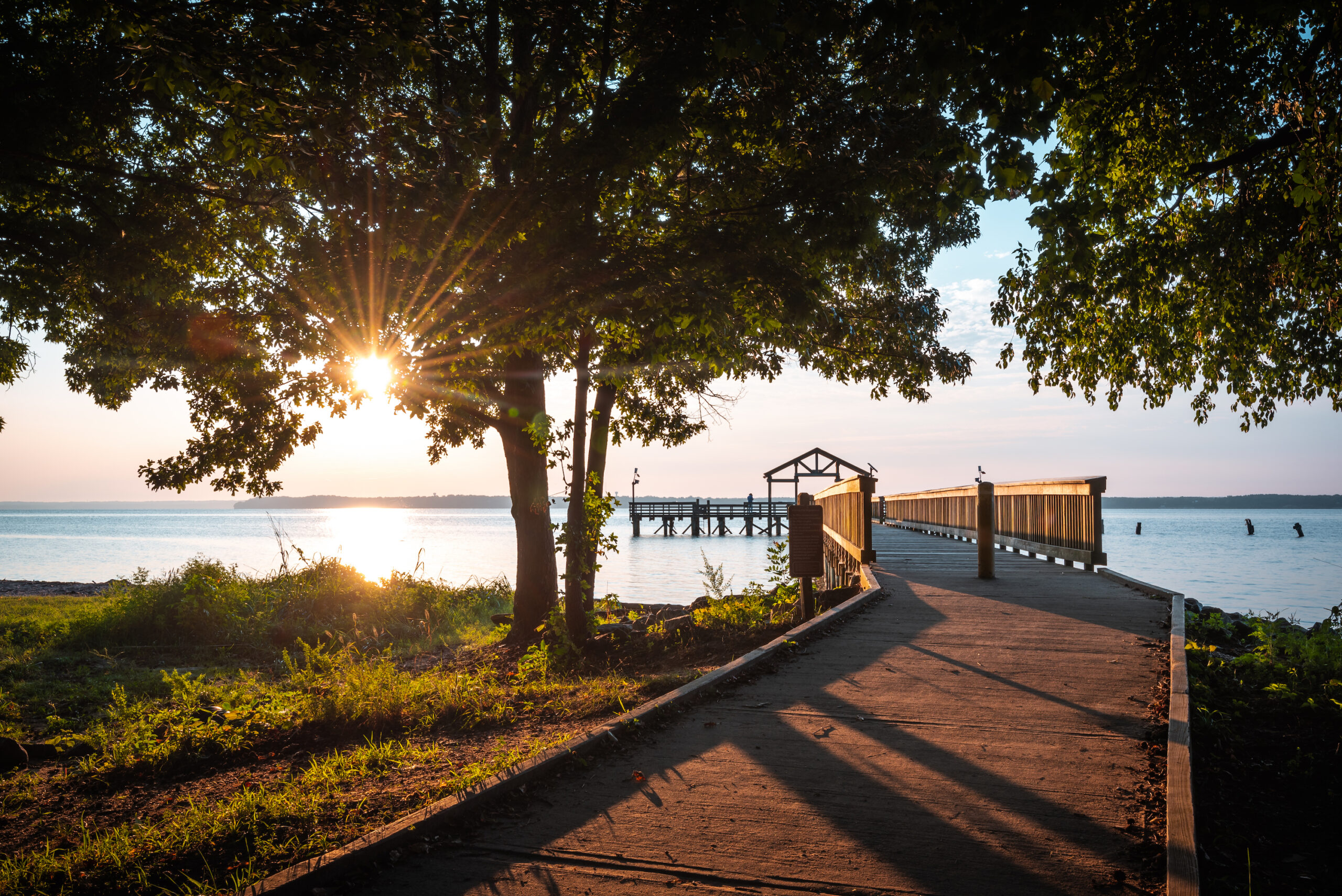 Registered as a historic landmark and situated along the Potomac River, Leesylvania State Park offers excellent facilities for boating, including a boat launch, fishing pier, and boat rentals. The vast expanse of the Potomac River makes it a versatile destination for scenic cruises near historic sites, watersports in its broader sections, and adventure and relaxation at every turn.
Navigating Virginia Boating Laws
Familiarizing yourself with the ins and outs of Virginia’s boating laws is essential for a safe and enjoyable experience on its vast and varied waterways. Whether you’re a seasoned sailor or a weekend watercraft enthusiast, understanding these regulations will enhance your boating adventures while preserving Virginia’s aquatic environments for future generations.
Boater Education and Licensing
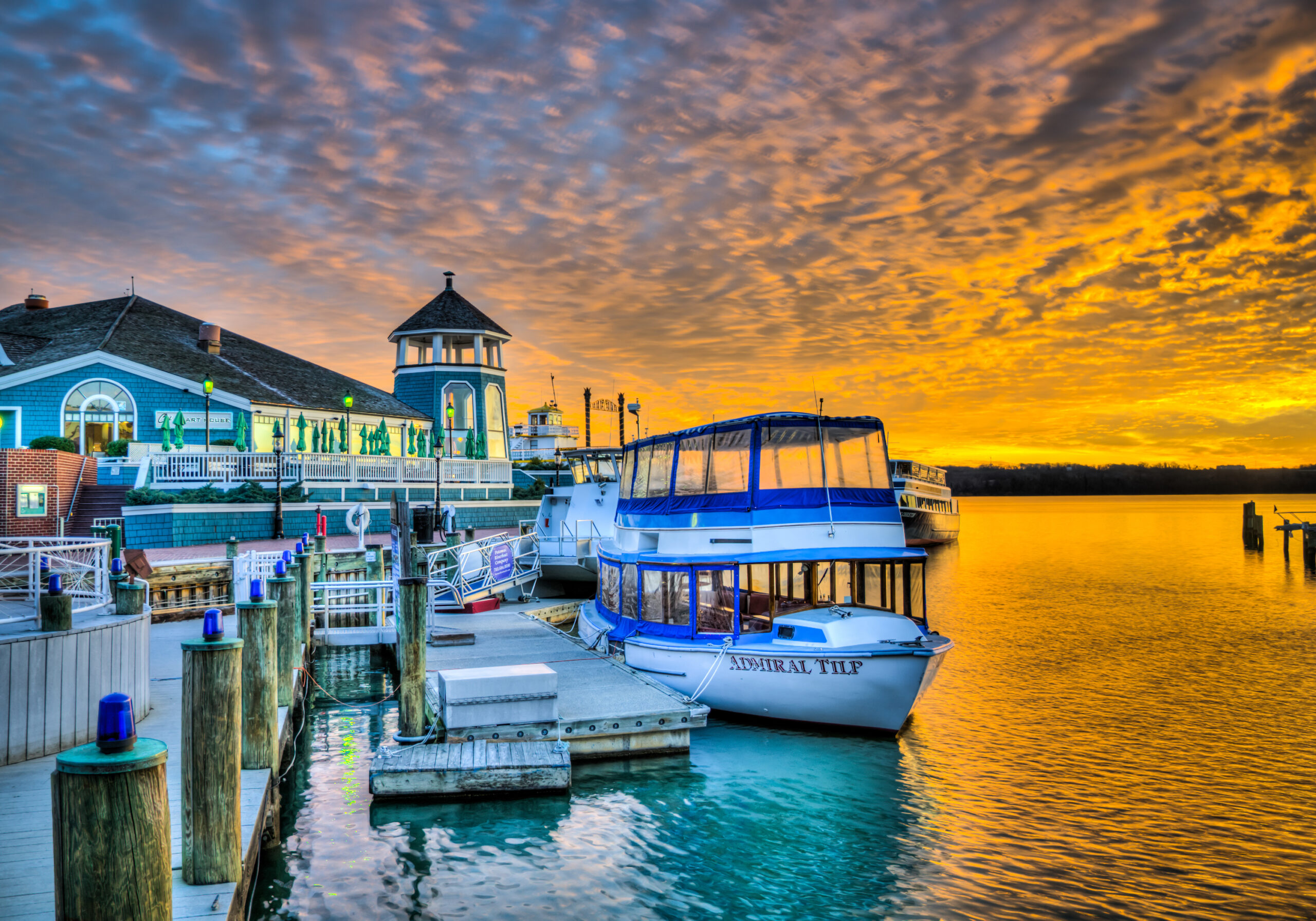 In Virginia, anyone operating a motorboat with a 10 hp or greater engine or personal watercraft (PWC) must complete a boating safety education course. This requirement is pivotal in ensuring that all boaters have the knowledge to navigate safely. Individuals of any age can take this course, but it’s particularly important for young boaters; those under the age of 14 are not permitted to operate PWCs, regardless of education. The process involves enrolling in a state-approved boating safety course, which can be completed online or in-person, and passing the corresponding examination to obtain your boating safety education card.
Life Jackets
Virginia law mandates that a USCG-approved life jacket must be readily accessible for every person aboard a vessel. Crucially, children under 13 are required to wear life jackets at all times on moving boats, ensuring their safety on the water.
Registration and Titling
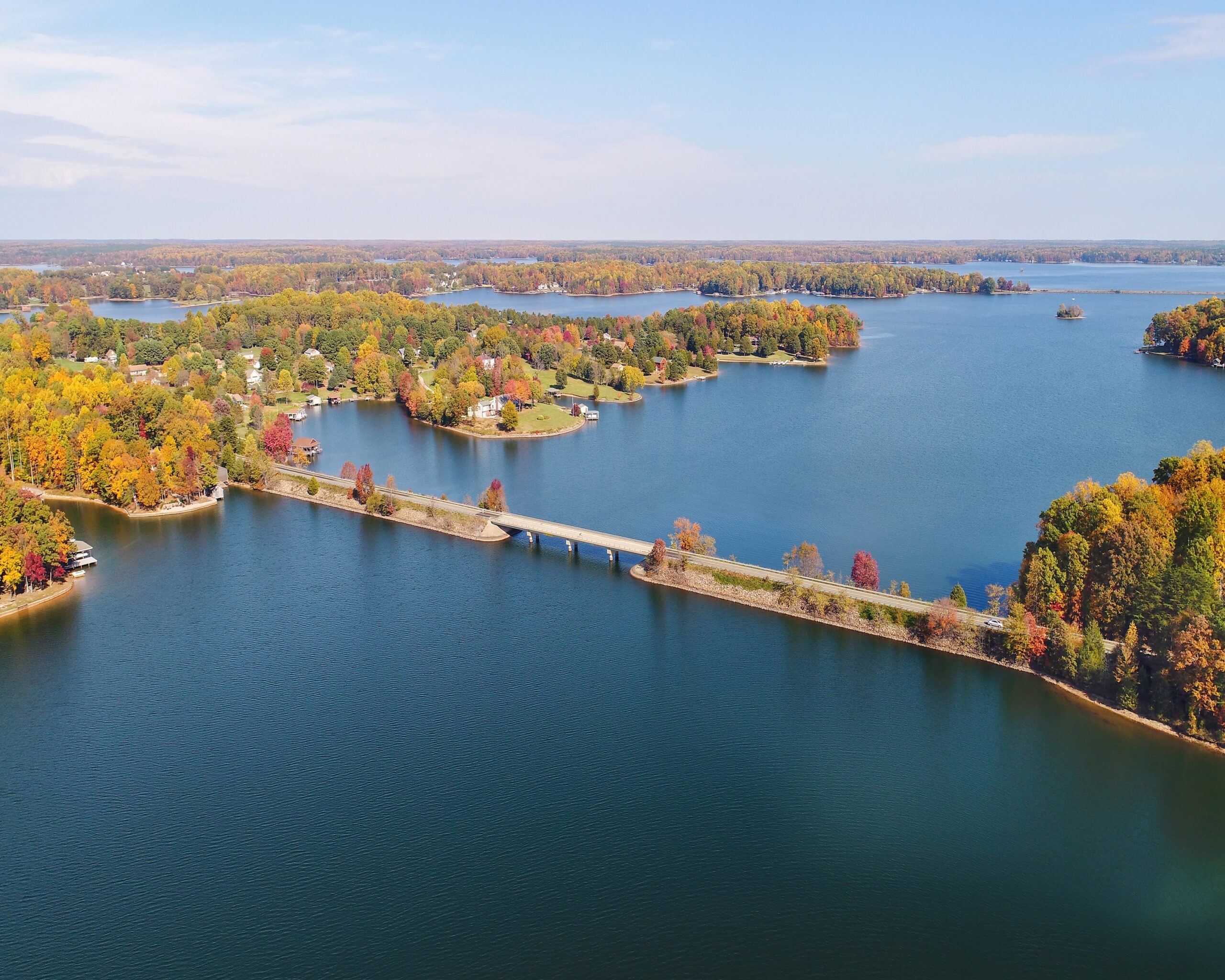 All motorboats and PWCs operated in Virginia waters must be properly registered and titled. This legal requirement aids in managing Virginia’s watercraft and ensures that boats meet safety standards.
Boating and Alcohol Consumption
Virginia takes a strict stance on boating under the influence (BUI). Operating a boat while intoxicated is not only dangerous but also illegal, with blood alcohol concentration (BAC) limits set at 0.08%, mirroring road vehicle laws. Penalties for BUI can include fines, imprisonment, and the loss of boating privileges, underscoring the importance of sober boating.
Environmental Stewardship and Etiquette
Virginia boaters are encouraged to practice environmental stewardship and etiquette to protect the state’s precious waterways. This includes:
- Adhering to no-wake zones and observing speed limits to safeguard other water users and prevent shoreline erosion.
- Practicing “Catch and Release” fishing or following size and limit regulations to support sustainable fish populations.
- Keeping waterways clean by properly disposing of trash and avoiding oil and fuel spillage.
The Importance of Boat Insurance in Virginia
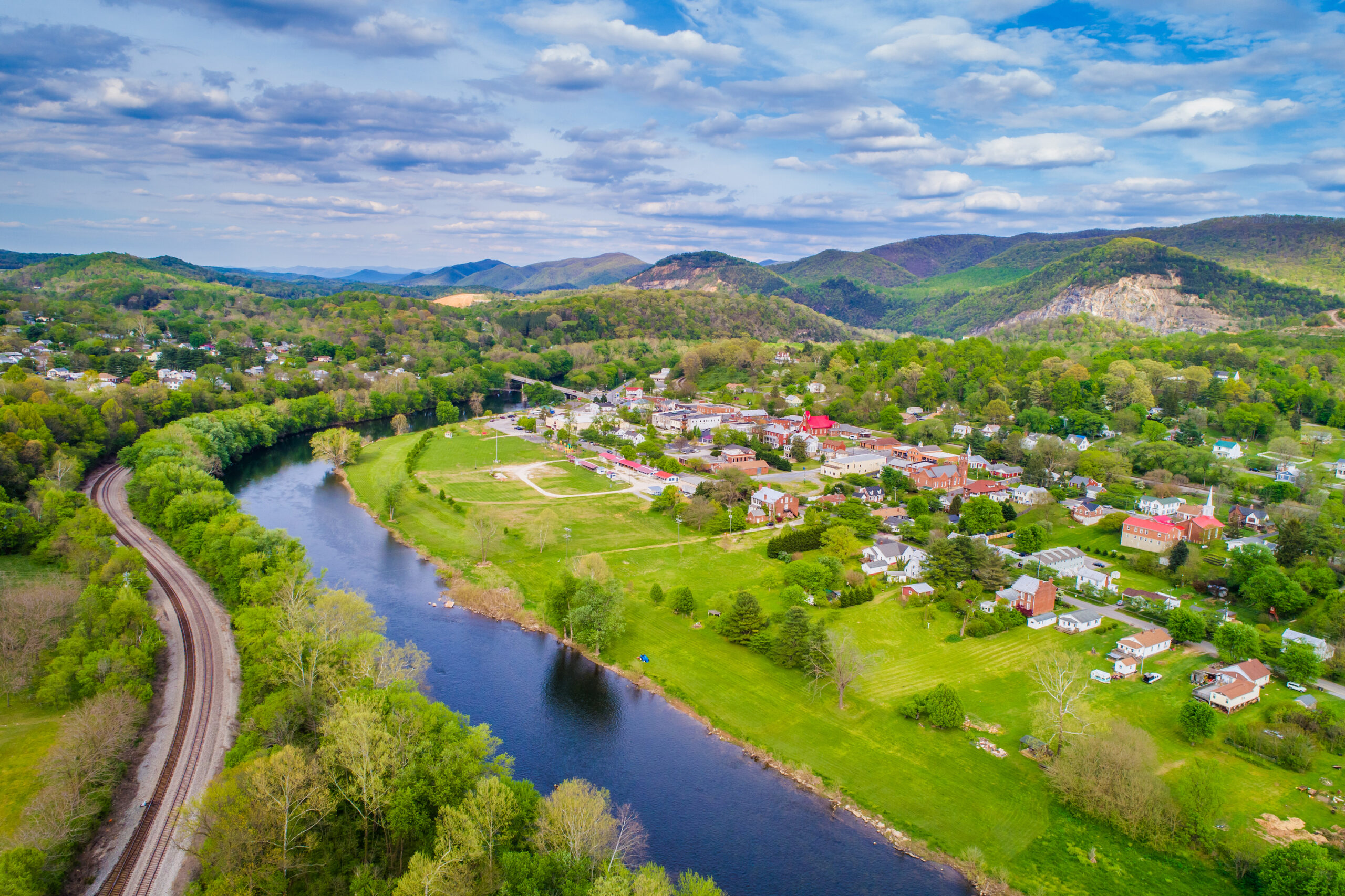
Boat insurance is not legally required for boat owners to operate their vessels on Virginia waters. However, it’s important to note that certain marinas or loan agreements might require insurance. Even though it’s not legally mandated, carrying boat insurance is highly recommended. In alignment with NBOA’s advocacy for safe and responsible boating, securing boat insurance is crucial for peace of mind on Virginia’s diverse waterways. These policies can protect against potential damages, liability, and theft, allowing boaters to fully enjoy their adventures with confidence.
Virginia’s waters, rich in history and natural beauty, offer unparalleled boating experiences. By embracing the spirit of exploration and adhering to boating regulations, your adventures on Virginia’s waters will be as fulfilling as they are exciting. With NBOA on your side, the waters of Virginia are yours to explore, enjoy, and protect.