
BOATERS BLOG
Boating with Your Best Friend: A Comprehensive Guide to Keeping Your Pet Safe, Hydrated, and Comfortable Aboard
By Hollie Misztak •May 6, 2026
Boat Insurance Boat Safety Boating Fun Boating Tips Marine Insurance Marine Insurance Quotes
The perfect day looks like clear, sunny skies and the wind rushing through your hair as you glide across the water in your boat. However, it isn’t quite perfect unless you have your best furry companion along for the ride. Many dogs love spending the day on the water with their favorite humans, and if this sounds like your pup, why not let the breeze ruffle their fur, too?! From excited tail wags at the dock to curious sniffs from the bow, bringing your dog on board can turn an ordinary boat day into a new routine that both you and your furry friend can enjoy all season long. With a little planning, the right safety gear, and plenty of fresh water and shade, your pup can be comfortable, confident, and ready for adventure. Here at NBOA, we love when our doggos are on board with us, but it is critical for their safety and yours to remember a few key rules. Before setting sail, review the safety checklist below so everyone can enjoy the ride, soak up the sunshine, and make the most of every moment on the water.
How To Acclimate Your Pet to Boating
Visit the Docked Boat with Your Dog
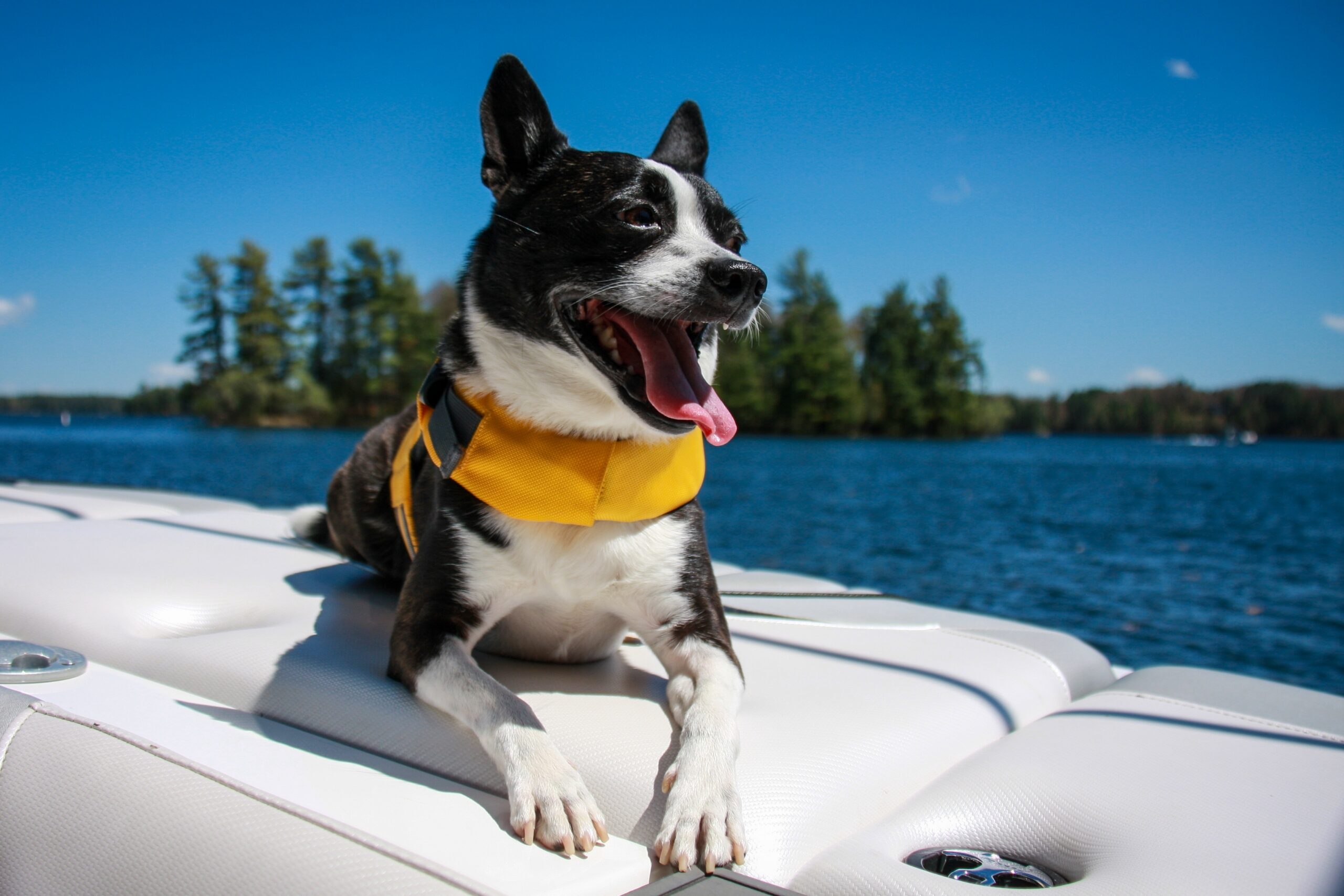
Before you plan your first boating adventure with your pet, take your pup to get familiar with the boat. Let them wander around as it’s tied to the dock, and don’t start the engine until your dog has done all the sniffing and exploring. This is also the best time to show your dog the proper way to get on and off the boat safely. It’s a skill that will not only give you peace of mind but also boost your pet’s comfort level on board, too.
 Turning on the Engine
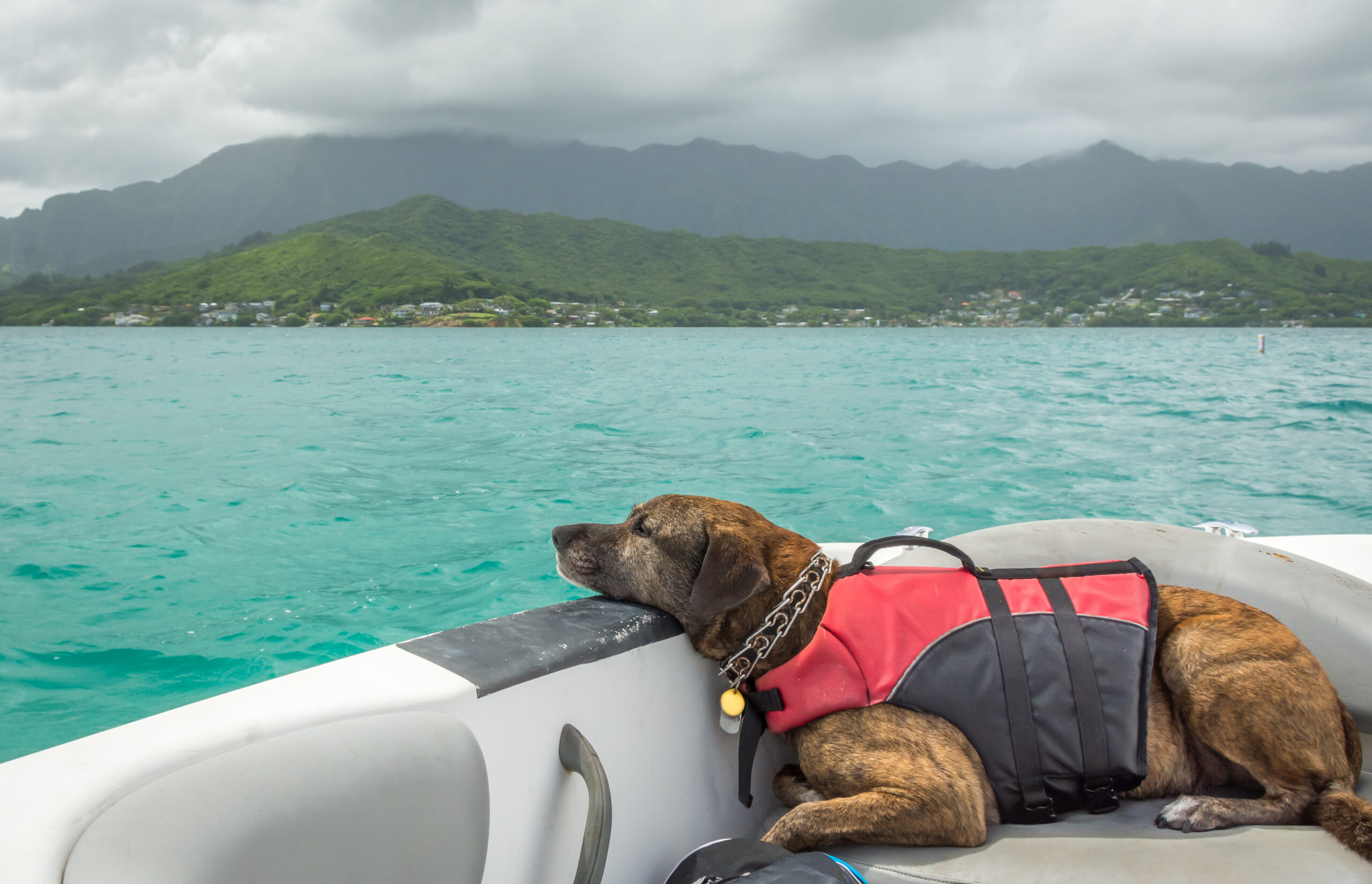
Once comfortable and acquainted, perhaps even after a few visits, turn on the engine so they can get used to the sounds and vibrations. Many dogs get stressed by loud noises and new places, so easing your furry friend into their best boating life is essential before leaving the dock.
Keep a close eye on your pet as you turn on the engine. Bring treats or their favorite blanket to help them settle, and stay close so they don’t get scared and try to escape. If they’re showing signs of comfort, take a few slow laps close to your dock to gauge their stress and anxiety. If your dog is too nervous, it might be best to take them back home. An anxious pup on a boat can be a significant safety hazard.
When your dog is calm and confident as you move about near shore, it’s time to start really setting sail!
Have Steps Ready

Getting on and off the boat may seem easy to us, but it could be a little scary and a bit harder for dogs. If this skill is proving harder than expected, providing a set of steps or a ramp will make boarding and deboarding the boat with your pup more seamless. This will also help to teach your dog that this is the proper way to get off a boat rather than jumping in the water.
Keep the First Few Trips Short
The first few boating trips with your furry friend should be short and sweet. You should view these as trial runs, expect some hiccups, and allow your dog to adjust to the movement, new smells, and activity around them. Dogs can also get seasick pretty easily, and just like humans, this can sometimes be severe. If seasickness is derailing your plans for a boating trip with your best bud, ask your veterinarian about motion sickness medications. Then, try again a few days later!
Keep Your Dog Hydrated with Fresh Water
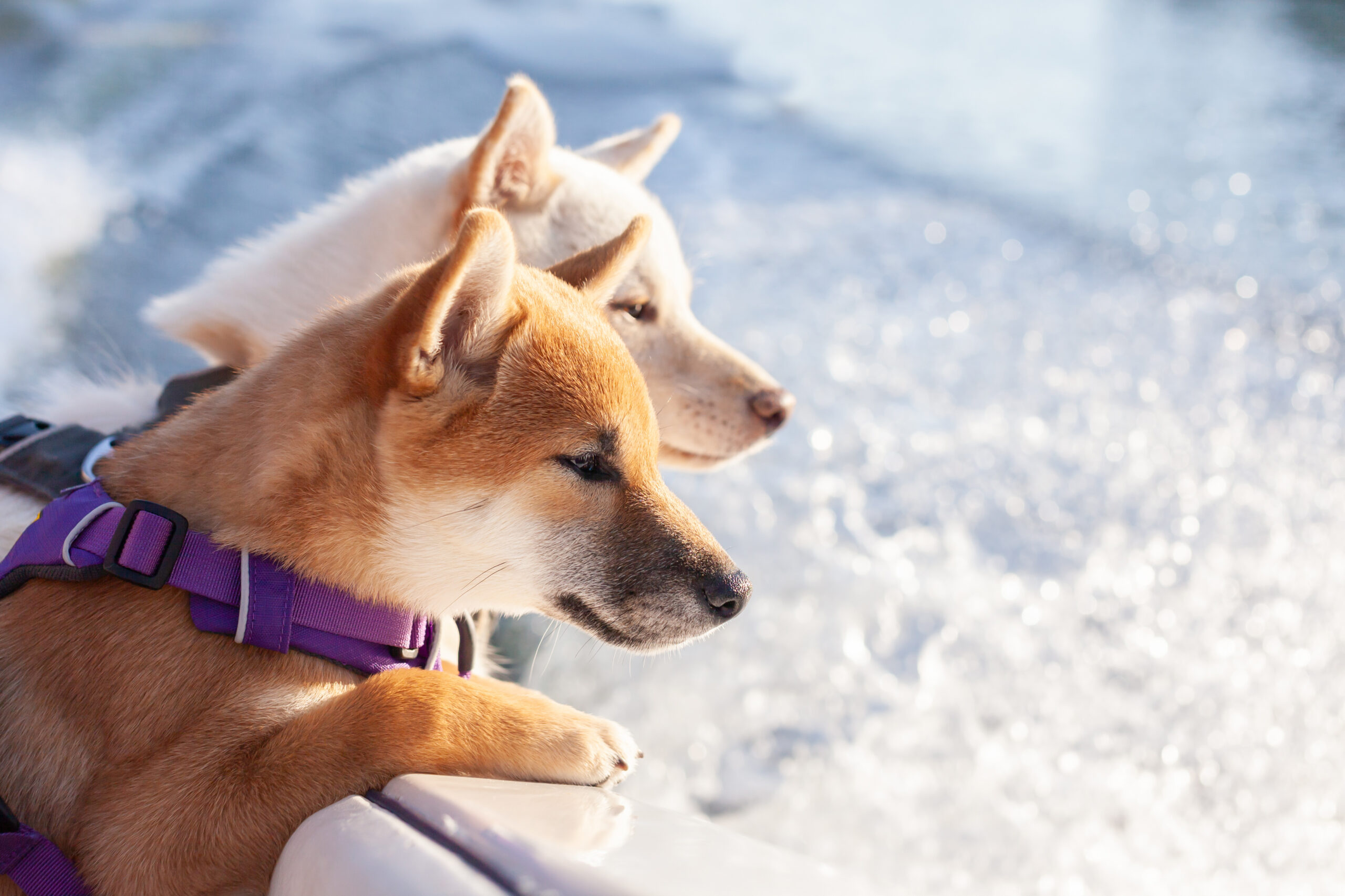
Water! Water! Water! The most important thing you can do for your pet while spending afternoons on a boat (especially in the sun) is ensuring they have plenty of fresh, clean, cool water to drink. Staying hydrated is just as critical for your dog as it is for humans to avoid dehydration and heatstroke, while keeping them cool, comfortable, and happy. Although you are surrounded by water, don’t let your dog drink from the lake, river, or ocean, as natural water sources can contain harmful bacteria, parasites, or salt. Saltwater, in particular, can make dogs sick and may even worsen dehydration. So, be sure you have plenty of cold, fresh water for your best bud and a bowl that won’t spill too much while on the boat.
 Make Them Comfortable with Shade and a Cool Place to Lie
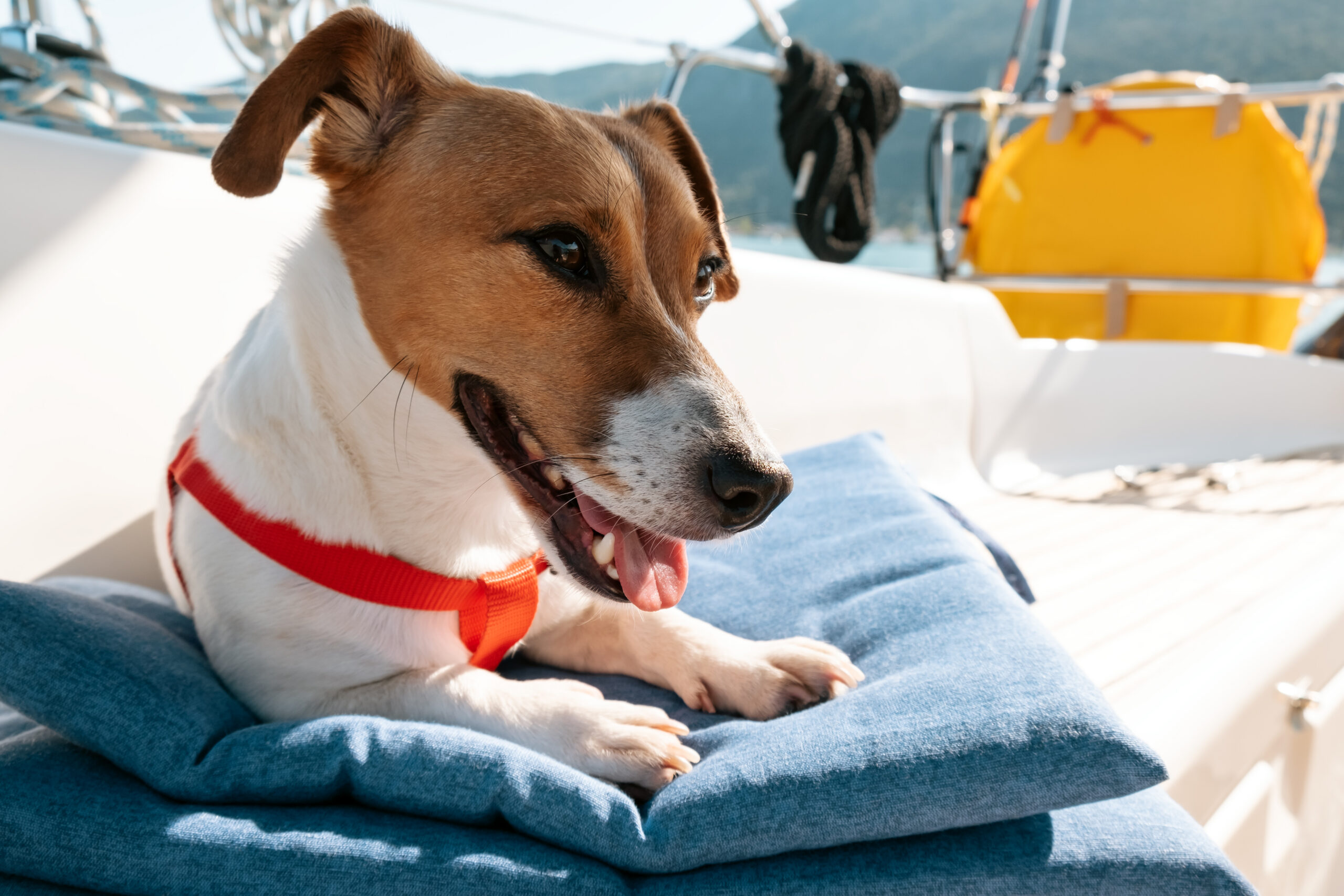
Dogs are always looking for a cool, shady, and comfortable place to lie down. For instance, if your dog likes to dig outside on a hot, sunny day, they are most likely just looking for cooler ground. So, when spending an afternoon on a boat, it is important to ensure there is a safe place for your fur baby to chill and escape the sun’s harsh rays. Think under an awning, below deck, or beneath a seat or the console. This designated pet area should also be away from important boat operations or gear that you may need to grab quickly. You should also remember that some boat surfaces can quickly become very hot if the sun is out. Be aware of these areas that heat up fast, and cover them with a towel or bring a cooling pad to help protect your pup’s feet.
Brush Up on Safety Commands

The best way to keep your dog safe, whether on a boat or not, is to ensure they respond properly to commands. “Wait,” “stay,” “come,” “sit,” “lie down,” and simply calling their name are just the basics. Each of these commands can help make a boat adventure easier and more relaxing for everyone on board, but they can also be lifesaving in an emergency situation. A dog that is overly excited, anxious, or not listening can quickly become a safety risk, potentially causing you or your passengers to trip, lose balance, or even fall overboard. Before heading out on the water, take time to practice these commands in different environments with distractions, so your pup is more likely to listen when it matters most. Clear, consistent commands can help keep your dog calm, secure, and out of the way during docking, launching, anchoring, or any other important boat operations.
Have a “Dog Overboard” Plan
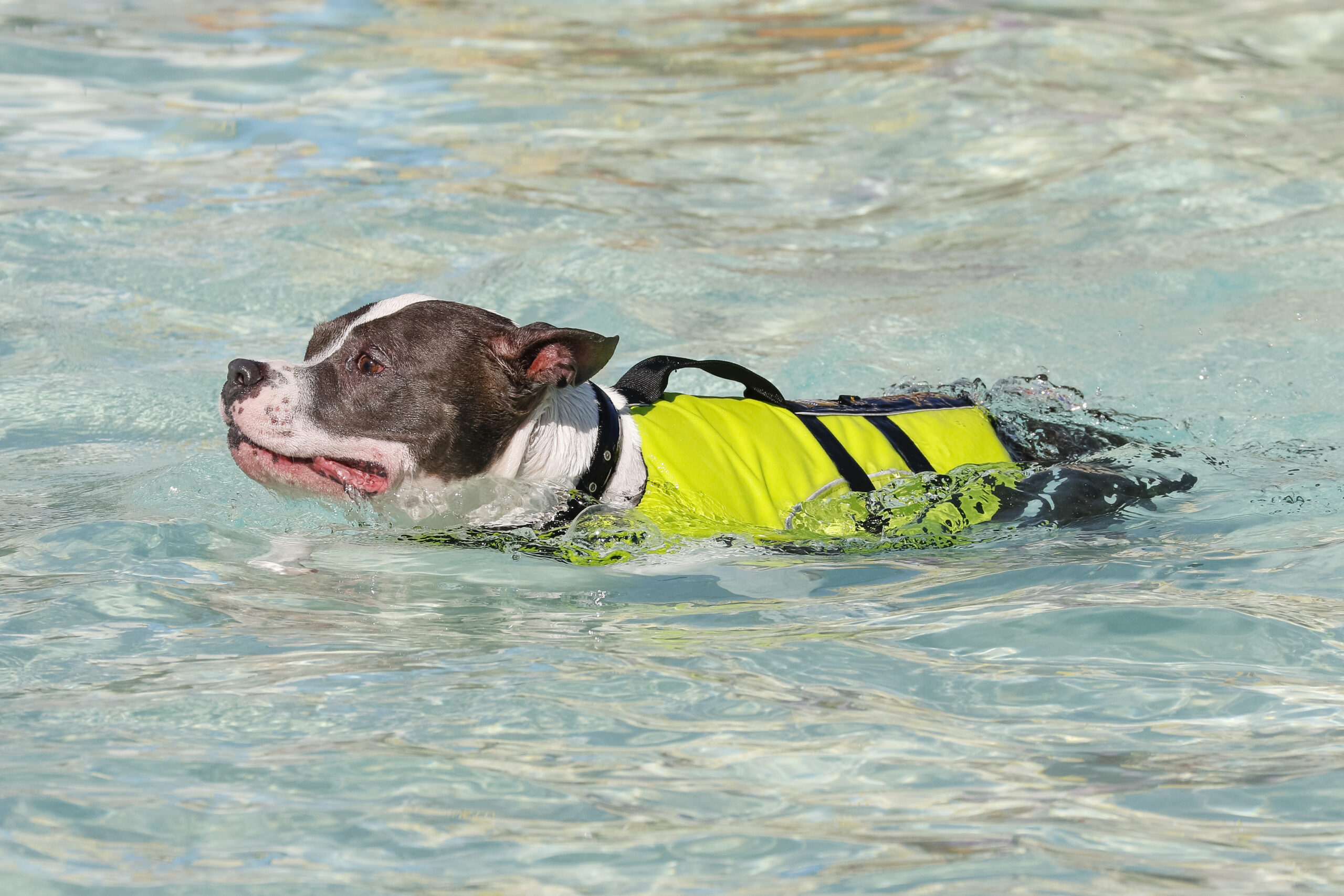
Knowing whether your dog can swim is vital before planning a boating day with your furry pal. If your pup is a “water dog” or loves to swim, or perhaps they’re curious and tend to explore, they may try to jump off the boat and into the water. Whether by choice or by accident, if you have a dog overboard, it is important to have a plan in place so everyone knows exactly what to do without panicking or jumping into the water themselves. Calmly circle back to your pet and cut the engine. Then, call them over to you (those commands are critical) and help them back onto the boat. Give them a few long moments to catch their breath if they’re nervous, offer some treats and fresh water, and once comfortable again, start the engine.
Plan for Potty Breaks
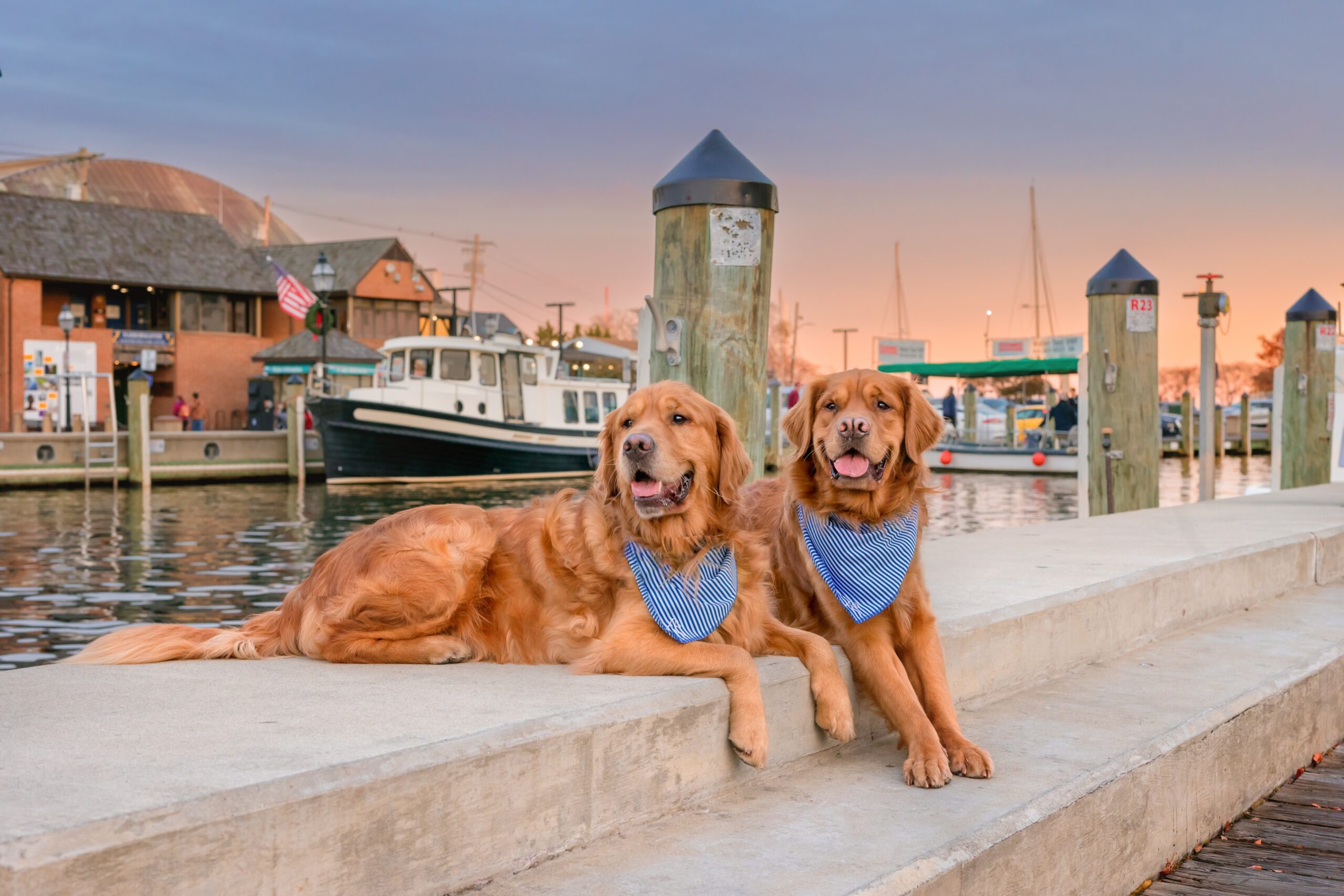
When boating with dogs, you’ll need to keep in mind that bathroom breaks are a necessity, especially if they’re drinking an adequate amount of water. Depending on your dog, puppy pads or a patch of fake grass can work wonderfully. Place these in a designated area, and show your dog where they can “go” during their initial boat tour. Other dogs, pet-parents, or boat owners prefer to dock and head onto land a few times a day. If this is your preference, researching pet-friendly marinas along your route is essential to planning your boating adventure. Some marinas offer walking areas, pet relief stations, or even dog parks where your fur baby can stretch their legs and get out some energy before getting back aboard. Knowing where pet-friendly restaurants and shopping areas are located can also come in handy if the weather takes a turn or you need to wait out a storm on land. Always check updated marina policies before planning your stops, and be sure to bring your dog’s leash and a small roll of poop bags to clean up after them.
What’s In Your Bag? Additional Items for Boating with Dogs
Proper Lifejacket

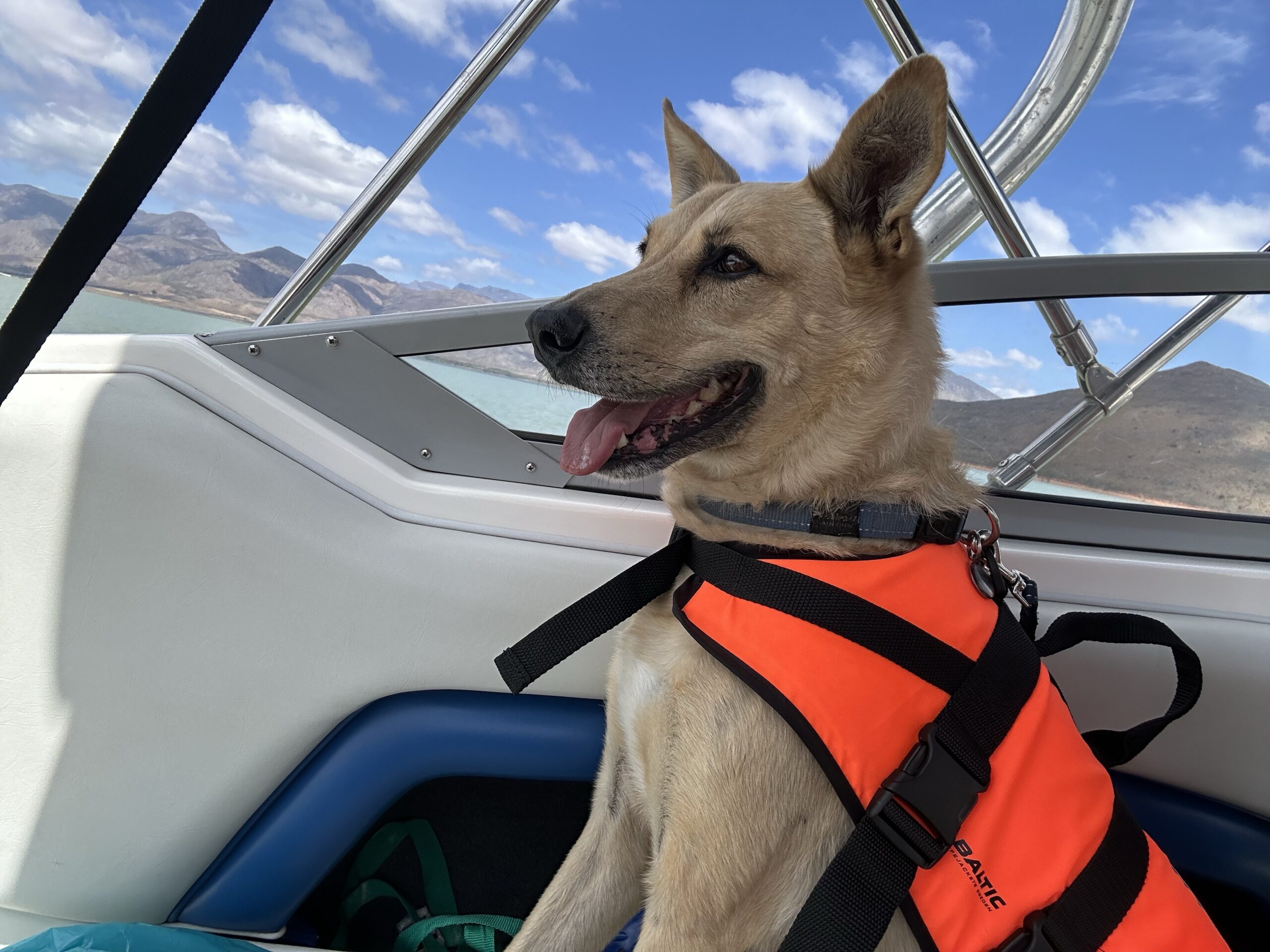
Lifejackets are not only important for children and adults but for dogs, too. Even if your furry friend is a strong swimmer, a properly fitting lifejacket can save their life if water conditions are poor, they get frightened, become tired or disoriented, or an injury occurs. Older dogs, dogs with low body fat, and pets with hip, joint, or other health issues may have an even harder time staying afloat, making a lifejacket especially important. Your dog should wear their lifejacket for the entire boat trip, even if swimming is not part of the plan, because accidents can happen quickly on the water. In addition to assisting your dog in staying afloat, many lifejackets are designed with a handle on the back so you can pull your dog back on board if needed. Like humans, make sure your dog’s lifejacket is the right size, allows for mobility, has adequate buoyancy, and comes in a bright color with reflective material so they can easily be spotted in the water. Try testing out their lifejacket in calm, shallow water before relying on it during your boating trip.
First-Aid Kit
You should always have a stocked first-aid kit on your boat, but be sure to bring one designed specifically for your furry boating pal, too. This might come in handy for minor medical emergencies involving your dog, such as scrapes, paw injuries, insect bites, or irritation from being on deck. Experts suggest packing antibiotic ointment for minor scrapes, gloves, and bandages made specifically for dogs and fur-covered friends. Other great items to have in your boating first-aid kit for doggos are Dramamine or another vet-recommended motion sickness or seasickness medication, dog-safe bug repellent, and ice packs. Before heading out, it is also smart to research the closest emergency veterinarians along your boating route, so you know where to go quickly if a more serious injury or illness occurs.
Sun Protection
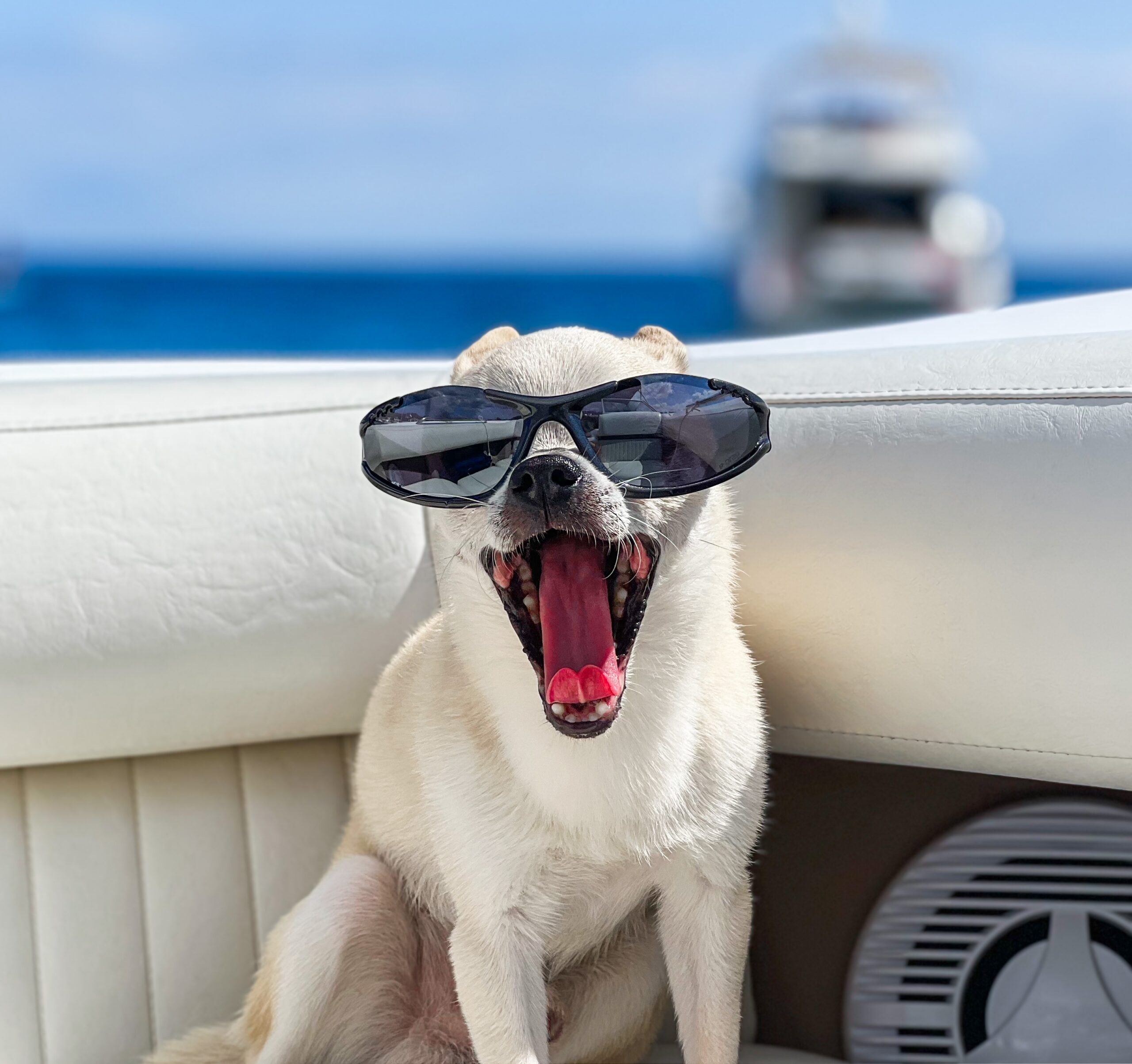 It can be easy to forget that, under all their fur, dogs have skin that can be susceptible to sunburn and even skin cancer. Just like humans, dogs need protection from the sun, especially those with light skin, thin coats, short fur, or exposed areas. Apply a lightweight, unscented sunscreen formulated specifically for pets before heading out on the boat, and bring it with you so you can reapply it after your dog swims, gets wet, or spends extended time in the sun. Talk to your vet if you’re unsure which sunscreen is safe for your furry friend or where you should be applying it. A general rule of thumb is to apply a thin layer where their fur may be light or their skin is exposed, such as their ears, belly, and even nose.
Food

In addition to plenty of fresh drinking water, bringing your dog’s food on a boat adventure is especially important for overnight trips. Still, it can also come in handy during longer afternoons on the water. Just like people, dogs can get hungry after swimming, playing, exploring, and spending time in the sun. Packing their regular food helps keep their routine consistent and prevents an upset stomach that could come from unfamiliar treats, table scraps, or marina snacks. Be sure to store food in a sealed, waterproof container to keep it fresh, dry, and protected from pests. It is also smart to bring a little extra in case your boating plans change, the weather delays your return, or your pup burns more energy than expected while enjoying their day on the water.
Leash
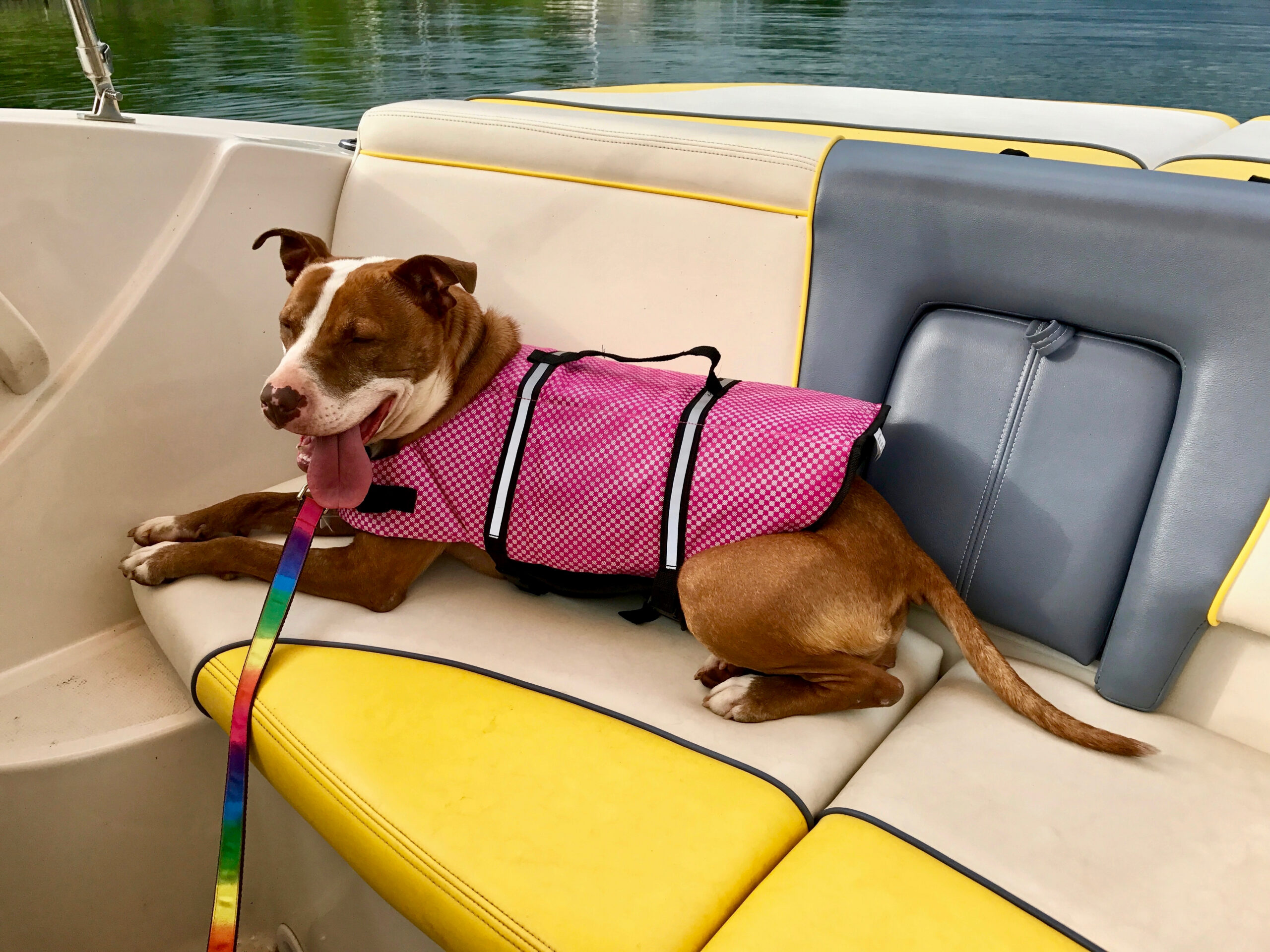
Having a leash handy while boating with your dog is important for bathroom breaks on land, unexpected stops, or if your dog is eager to jump ship or spies another dog on another boat. While using a leash on the boat is a good idea, if you plan to let your pup roam on its own, be sure to remove its leash. The last thing you want is the leash to get tangled around equipment, gear, or the boat itself, resulting in a detrimental accident.
Designated Pet Towel

A designated pet towel is a simple but essential item to pack when your dog is coming along for the boat ride. While dogs may shake off after swimming, a towel will be especially helpful when drying their fur before they settle back on board. This is important because wet dogs can get chilly quickly once the boat is moving and the breeze picks up. Keeping a towel nearby makes it easy to dry off wet, shivering pups after a swim, splash, or unexpected dip in the water. Plus, a familiar towel can double as a cozy, designated spot where your dog knows they can sit, rest, and feel safe while aboard.
ID Tags and Medical Records
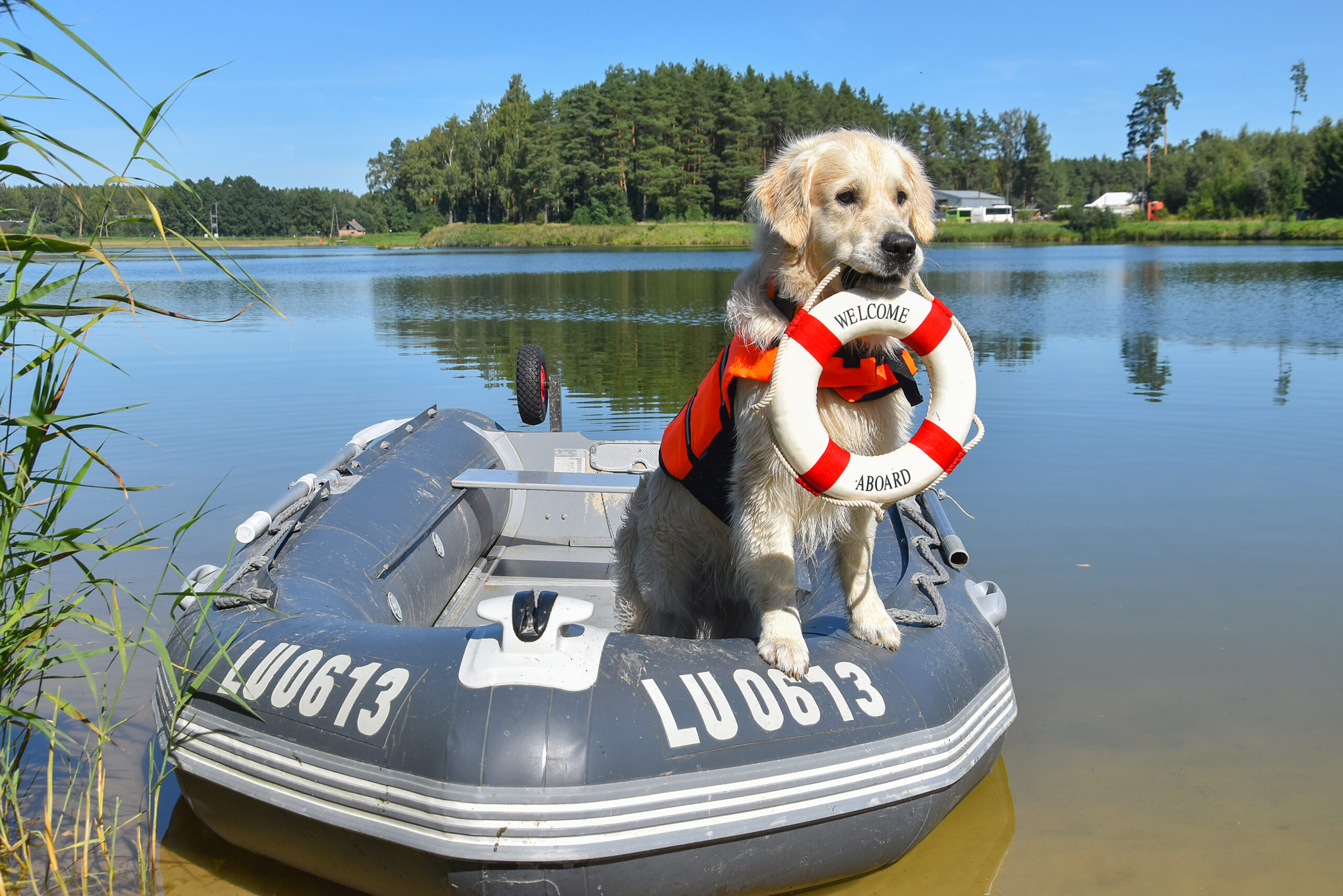
Even when pets are swimming or walking under a watchful eye, both dogs and water currents can be unpredictable. Your pup may get caught up in the excitement and swim farther than expected, or they could slip loose during a bathroom break on land. No matter where your boating adventure takes you, it’s always best practice to keep your pet’s ID tags on them at all times. You should also bring their medical records, either saved digitally on your phone or stored in a waterproof bag on board. You never know what could happen while boating, and having important identification and health information readily available can make a stressful situation much easier to handle.
Use Your Noggin
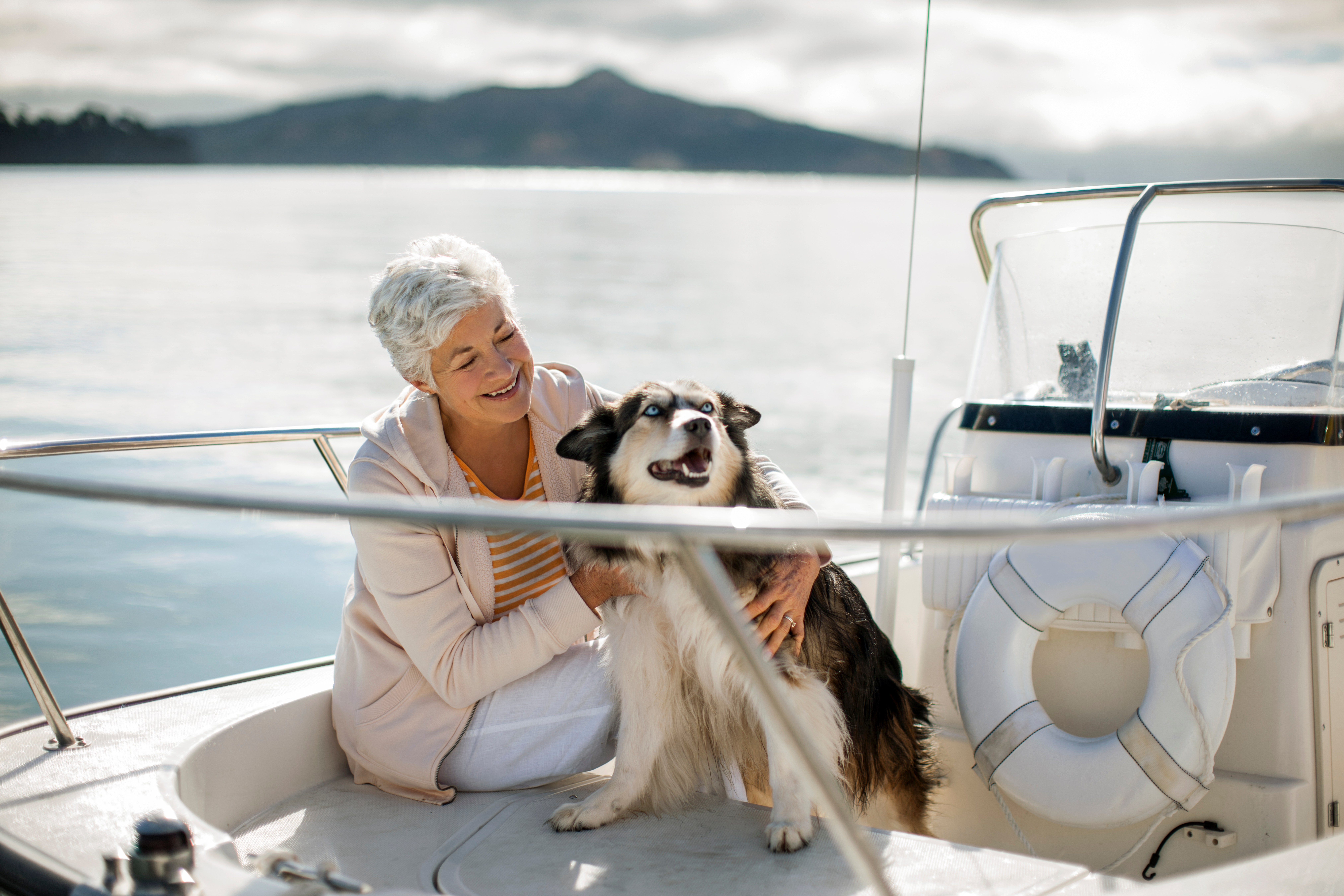 One of the best safety tips for boating with furry friends is to use good judgment, stay alert, and think one step ahead of your pup. Dogs are naturally curious, and a boat has plenty of areas they may want to explore, including slippery decks, hot surfaces, open hatches, lines, hooks, equipment, and other hazards. Always keep an eye on your dog, know where they are at all times, and never leave them alone on the boat. To help prevent injuries, block off unsafe areas when possible, watch for slick spots, and make sure your dog has a safe, designated place to rest out of the way. It’s also wise to bring another person along when boating with your dog, so someone can help watch them while you focus on operating the boat safely.
A day on the water with your best doggo can be an unforgettable experience when safety and preparation come first. By following these boating safety tips, packing the right essentials, and keeping a close eye on your pup, you can help ensure everyone onboard has a fun, comfortable, and stress-free adventure. Before heading out, consider checking with your vet for additional advice, especially if your dog is new to boating, has health concerns, or may be sensitive to heat, motion, or long days in the sun. Then, head over to NBOA to make sure you have the right boat insurance and marine financing plan to support all your adventures on the water.