BOATERS BLOG
Weathering the Storm: A Boater’s Guide to a Safe Hurricane Season
By NBOA •September 24, 2025
From June 1st through November 30th, the Atlantic hurricane season rolls into full force. Boaters beware, as tropical storms, hurricanes, and even thunderstorms can be life-threatening dangers on the water. Even seasoned captains can underestimate the speed and severity of a tropical system, as storm paths can shift in hours, turning a relaxing cruise into a risky venture. That’s why staying informed, planning, and protecting your watercraft are non-negotiables during this time of year. Whether you keep your boat in a marina, on a trailer, or moored at a private dock, this guide will walk you through all the best practices. At NBOA, our experts are sharing crucial tips and safety guidelines so you can get through hurricane season as safe and stress-free as possible.
Why Take Hurricane Season Seriously
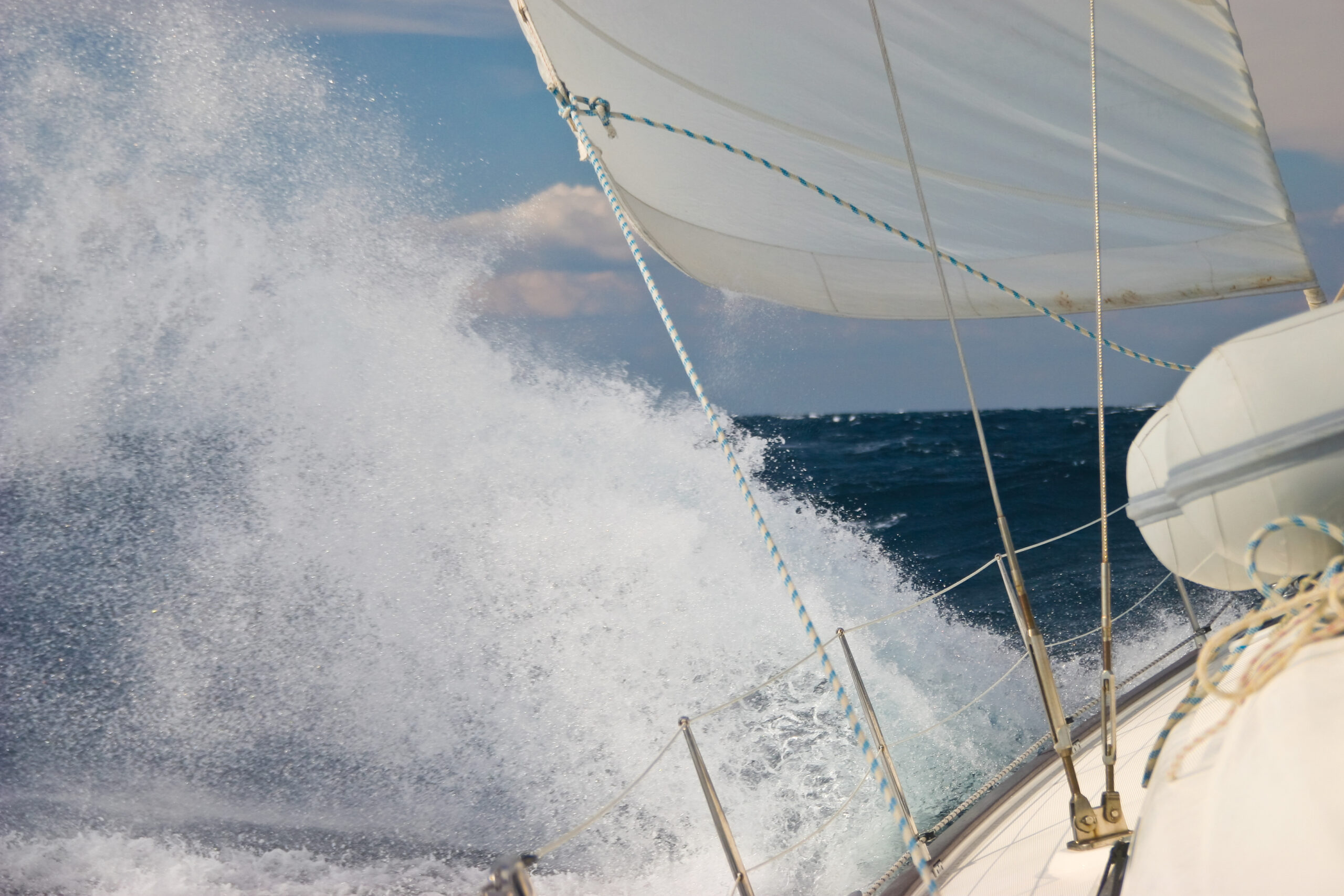 Hurricane season can seem like a lengthy period, spanning from the end of spring through mid-autumn. Peak hurricane season in the Atlantic, or northern hemisphere, is August through October, with more and stronger systems forming. Why does this matter to boaters? Well, one of the last things a boater (seasoned or novice) wants is to get caught in a severe storm. Strong winds from tropical depressions (38 mph) through hurricane speeds (over 74 mph) can greatly damage watercraft. Of course, incredible waves and powerful winds can capsize or sink a vessel and pose a significant threat to the lives of those onboard. Even if a tropical storm or hurricane hits while you’re not spending time on the water, it’s critical to prepare your vessel so it can (literally) weather the storm without crashing into docks, surrounding watercraft, or nearby structures and buildings.
How Hurricanes Are Named
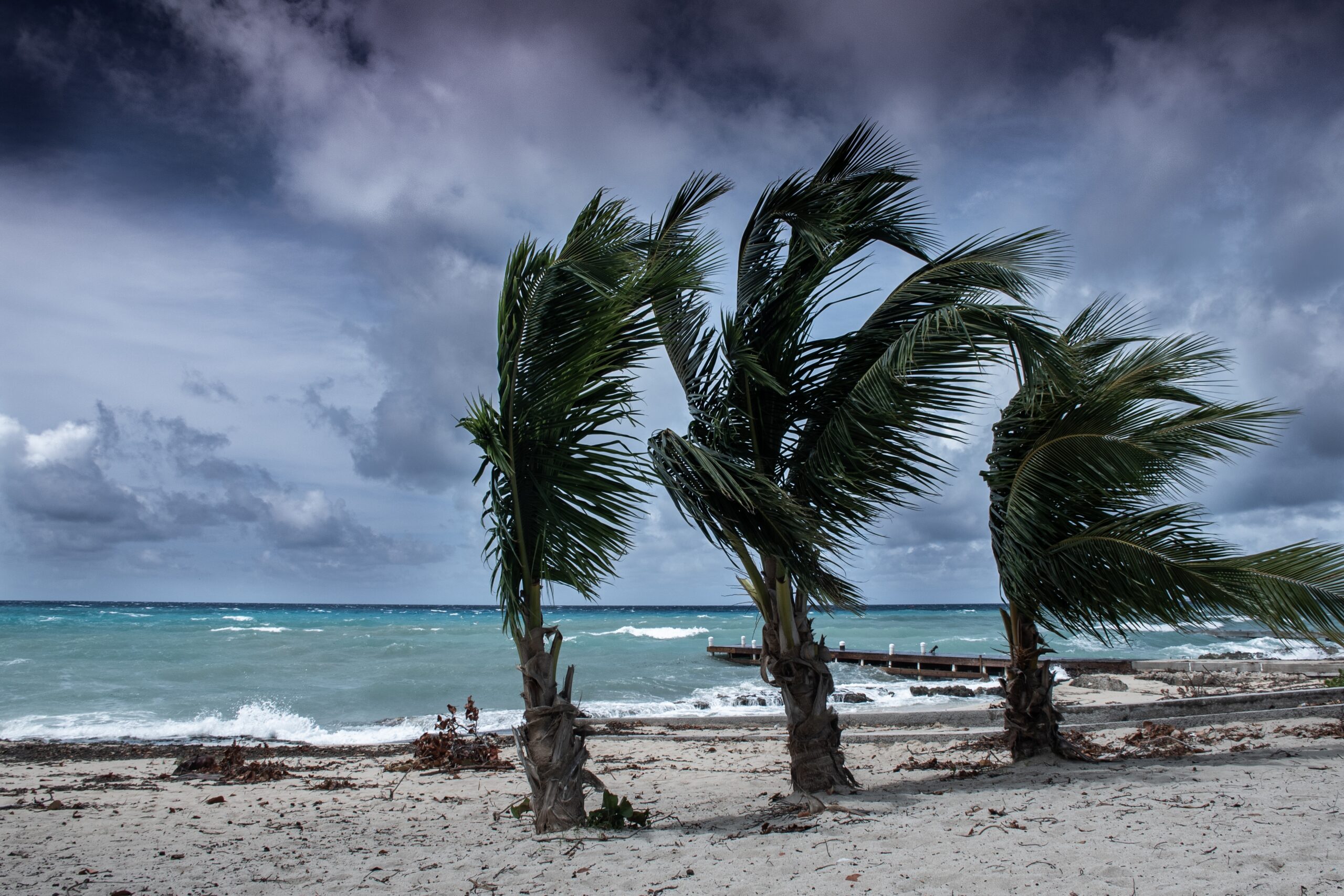 You might be familiar with hurricane names like Katrina, which made landfall in August of 2005, Sandy, which hit land in October of 2012, or Milton, which landed in Florida in October of 2024. Of course, their sizes, wind speeds, and extensive damage made major headlines. But where did these names come from? Hurricanes take on names once they become tropical cyclones, making it easier for meteorologists, news outlets, and the general public to keep track and stay informed. We can thank the National Hurricane Center for making the names of these storms easy to remember, often cycling through the alphabet to streamline the process.
Categorizing Tropical Storms and Hurricanes
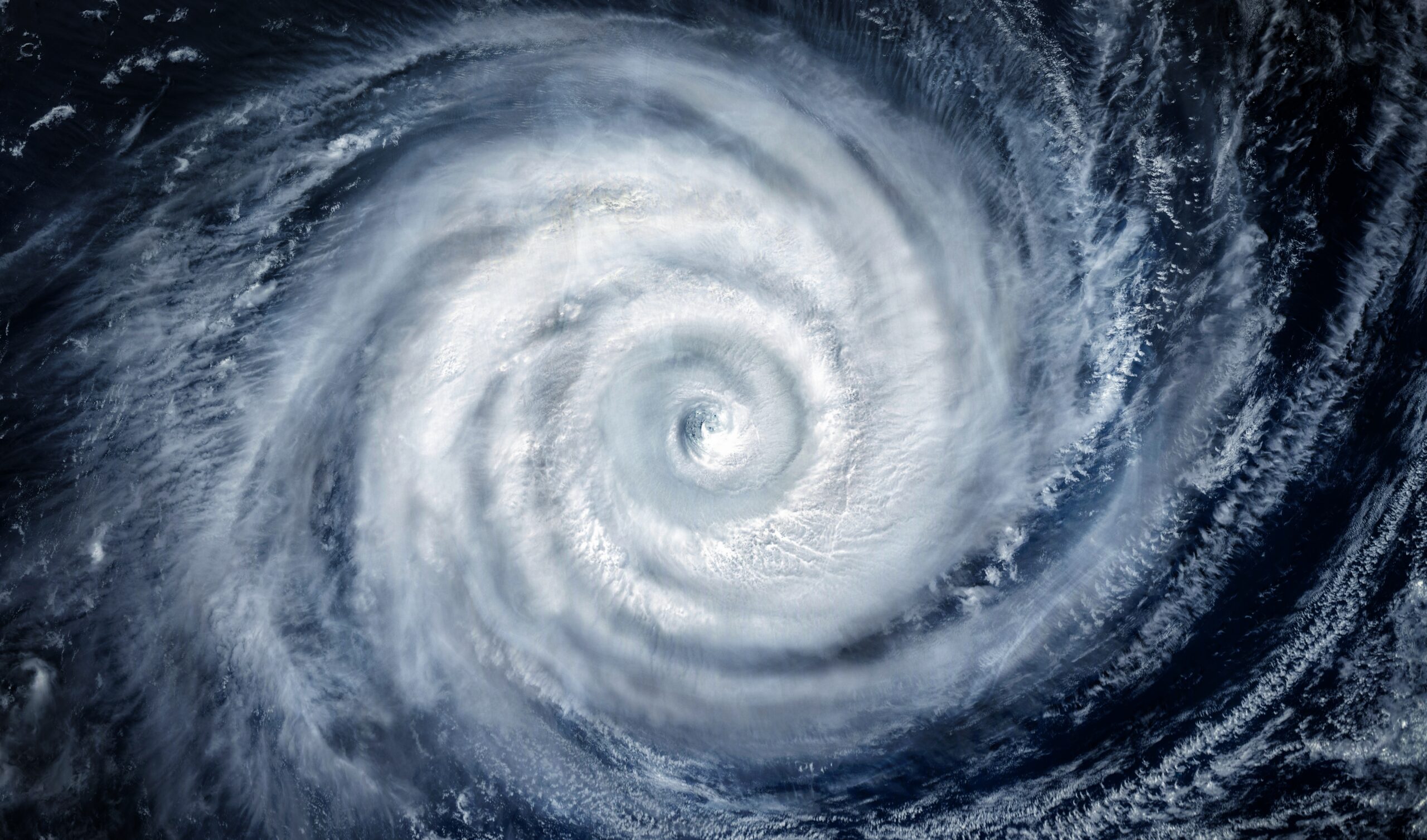 Before a hurricane is officially considered a hurricane, it starts as a tropical disturbance or depression. This means strong thunderstorm conditions with winds of 38 mph that can be threatening to coastal areas. As wind speeds increase from tropical depression (38 mph) to tropical storm (39 mph) to hurricane (74 mph), the threat of danger becomes more and more serious. Once winds increase above 74 mph, the hurricane enters one of five categories. Cat 1 hurricanes sustain windspeeds of 74 – 95 mph, Cat 2 includes speeds of 96 -110 mph, Cat 3 experiences winds at 111-130 mph, Cat 4 produces windspeeds of 131-155 mph, and finally, Cat 5 hurricanes have sustained windspeeds of 156 mph and above.
Safe Boating Tips During Hurricane Season
 Before heading out for a boating excursion, whether an afternoon cruise or a week-long voyage, it is imperative to check the forecast. Staying informed is the best way to make educated decisions about when and where you take your watercraft. Consult top-tier and trusted sources, including the National Weather Service, the Coast Guard, and the National Hurricane Center, while making boating plans and right before setting sail, especially during hurricane season. If any storms appear on the radar near your anticipated location, it’s always best to reroute or reschedule. No boating trip is worth the risk.
If the radar is all clear, the next item on your to-do list is making a float plan and sharing it with friends or family who will be staying on land. A float plan is a detailed itinerary outlining information about your watercraft, crew and individuals aboard, your route and destination, and the time you expect to return to your home base. This information can greatly assist authorities should an emergency situation occur.
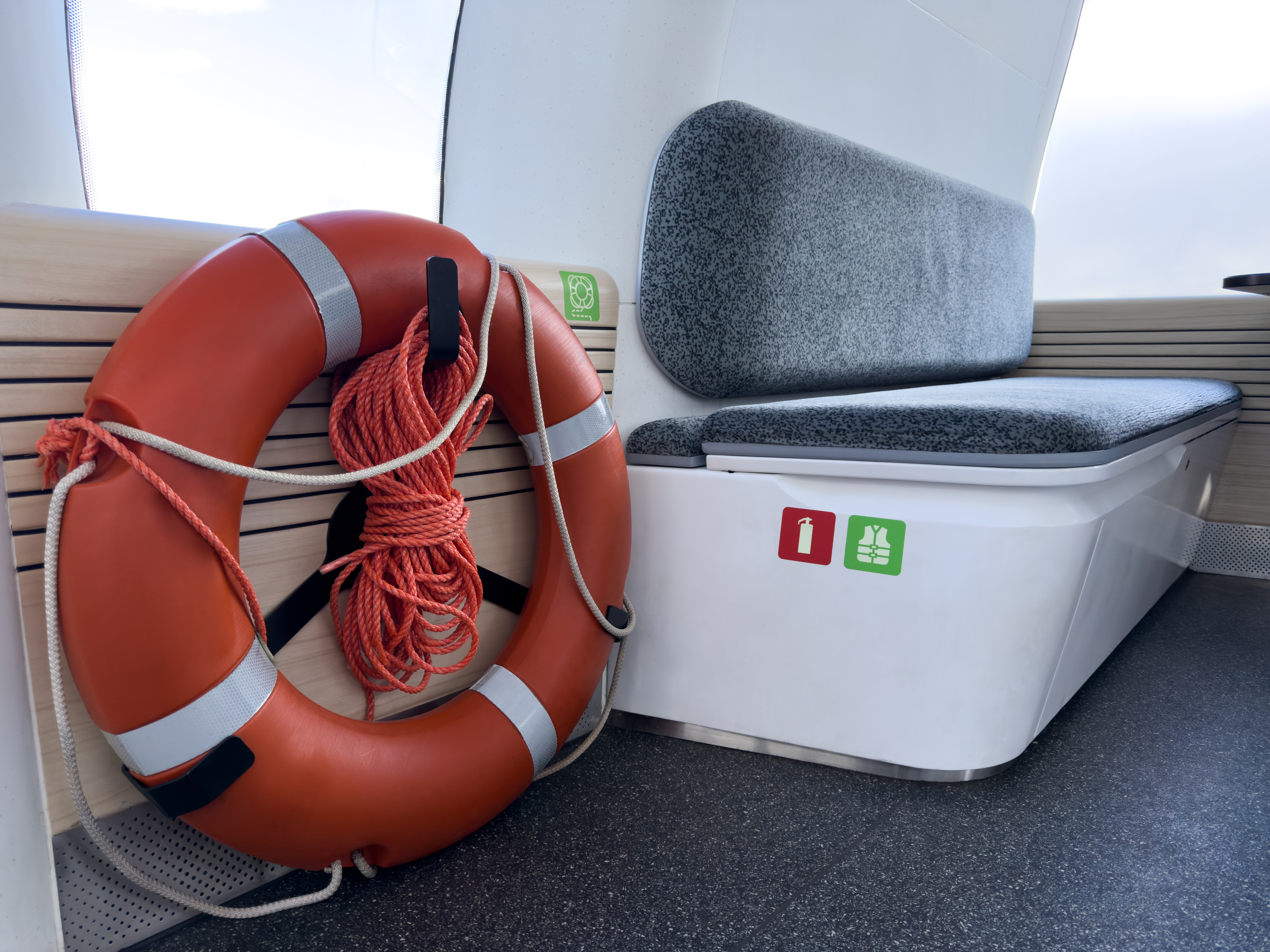
The following step is to double-check all the equipment and safety essentials onboard. Give your vessel a once-over and check in on fuel levels. Ensure your watercraft is fully equipped with PFDs and lifejackets. Each individual on the boat should have access to a properly fitted USCG-approved lifejacket, and children should wear one at all times. Whistles, flares, radios, backup batteries, GPS systems, maps, compasses, fire extinguishers, first aid kits, and extra drinking water should be stored onboard and easily accessible for any crew member or passenger.
Finally, give everyone on board a safety rundown and guidelines to follow in case of unexpected weather or emergencies. The most important thing is to remind both crew members and passengers to remain calm and clear-headed.
Prepping Your Boat for a Hurricane
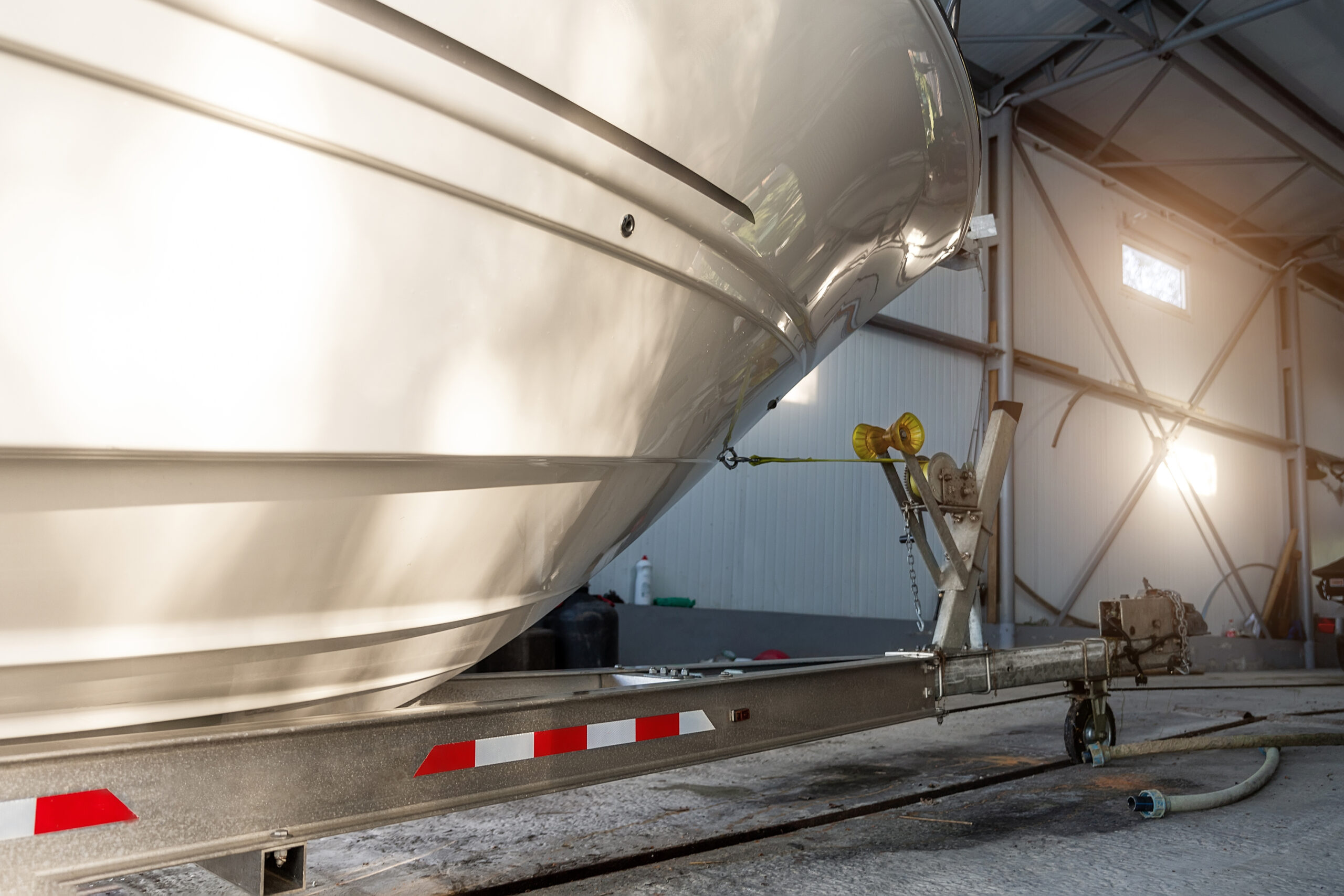 If a hurricane is approaching your location, you’ll want to take the proper steps to protect your boat against the storm. The first step is to make a checklist and take inventory of all electronic and valuable items on board. It’s likely a smart idea to remove these items and store them in a safe location on land, as well as remove anything else that is detachable, such as cushions, sails, paddles, etc. Consider all options for storing watercraft, from trailers that are weighed down and anchored to personal garages. If your boat stays at a marina or an individual berth, ensure dock lines are doubled up and can withstand the intense wind and rising water levels.
Make hurricane season more of a breeze with the experts at NBOA. From safety tips to comprehensive marine insurance, you’ll have peace of mind knowing you, your boat, and your finances are protected, no matter what the season has in store.