BOATERS BLOG
Tides Explained: Navigating the Ebb and Flow for Better Boating
By NBOA •January 24, 2024
As any seasoned boater knows, the sea is a realm of constant change, largely influenced by the dynamic game of tug-of-war between the moon and the sun’s gravitational forces. Encountering different types of tides, which are the rise and fall of sea levels caused by the gravitational pull of the moon and the sun, is not uncommon during a single boating adventure. Understanding these tides isn’t just a part of nautical know-how; it’s essential for safe and enjoyable voyages. From planning your route to ensuring your safety, knowledge of tides can profoundly impact your time on the water. The experts at NBOA are sharing the low down on the various tides you might encounter while planning your next boating adventure.
Types of Tides
 High Tide: This is when the water level is at its highest. It’s a great time for boating because there’s more water to navigate in, making it easier to avoid obstacles near the shore.
Low Tide: The opposite of high tide, this is when the water level is at its lowest. Boaters need to be extra careful during low tide because rocks and other obstacles can be closer to the surface, making navigation trickier.
Neap Tide: These tides occur during the first and third quarters of the moon phase. The sun and moon fall perpendicular to one another, weakening their gravitational pull on the tides. When this happens, the difference between high and low tide is less dramatic. It’s like the tide’s swing is a bit more gentle.
Spring Tide: Contrary to what you may think, spring tides don’t always happen during the springtime. Instead, they occur during the full moon and new moon phases when the sun, moon, and Earth line up on the same plane. This celestial formation creates a stronger gravitational pull, resulting in higher high tides and lower low tides than usual.
Perigean Spring Tide: This special kind of spring tide happens when the moon is closest to the Earth in its orbit (perigee) during a new or full moon. The closer moon means a much stronger gravitational pull, leading to even higher and lower tides than your regular spring tide.
Flood Tide: This occurs when the tide is coming in or rising. It’s not about flooding in the usual sense; it’s just the term for when the water level is getting higher.
Ebb Tide: After the high tide peaks, the water starts to recede towards the ocean. When the tide is going out or falling, it’s referred to as an ebb tide.
Slack Tide: This is a fun one. It’s the short period when the water has little to no movement and happens right between the high tide turning to low tide and vice versa. As the water takes a little break before changing directions, it can appear glass-like.
Bore Tide: Occurring in certain coastal rivers and bays, a bore tide is a strong tide that pushes a wave or a series of waves up a body of water or against the current or natural flow of water.
Tidal Patterns
 Beyond the types of tides, there are several tidal patterns that boaters should be aware of. These tides add more layers to how we understand the movements of our oceans, showcasing the intricate dance between the Earth, moon, and sun.
Semi-Diurnal Tide: In a semi-diurnal tide, two high tides and two low tides, with roughly equal heights, occur each day. This happens in the Atlantic Ocean, as the sea rises and falls twice daily.
Diurnal Tide: In diurnal tides, you see only one high tide and one low tide each day. For example, in the Gulf of Mexico, the water will rise and fall just once a day.
Mixed Tide: A combination of semi-diurnal and diurnal tides, a mixed tide has two high tides and two low tides each day, like semi-diurnal, but the heights differ. One high tide might be really high, and the other not so much.
Environmental “Tides” & Algal Blooms
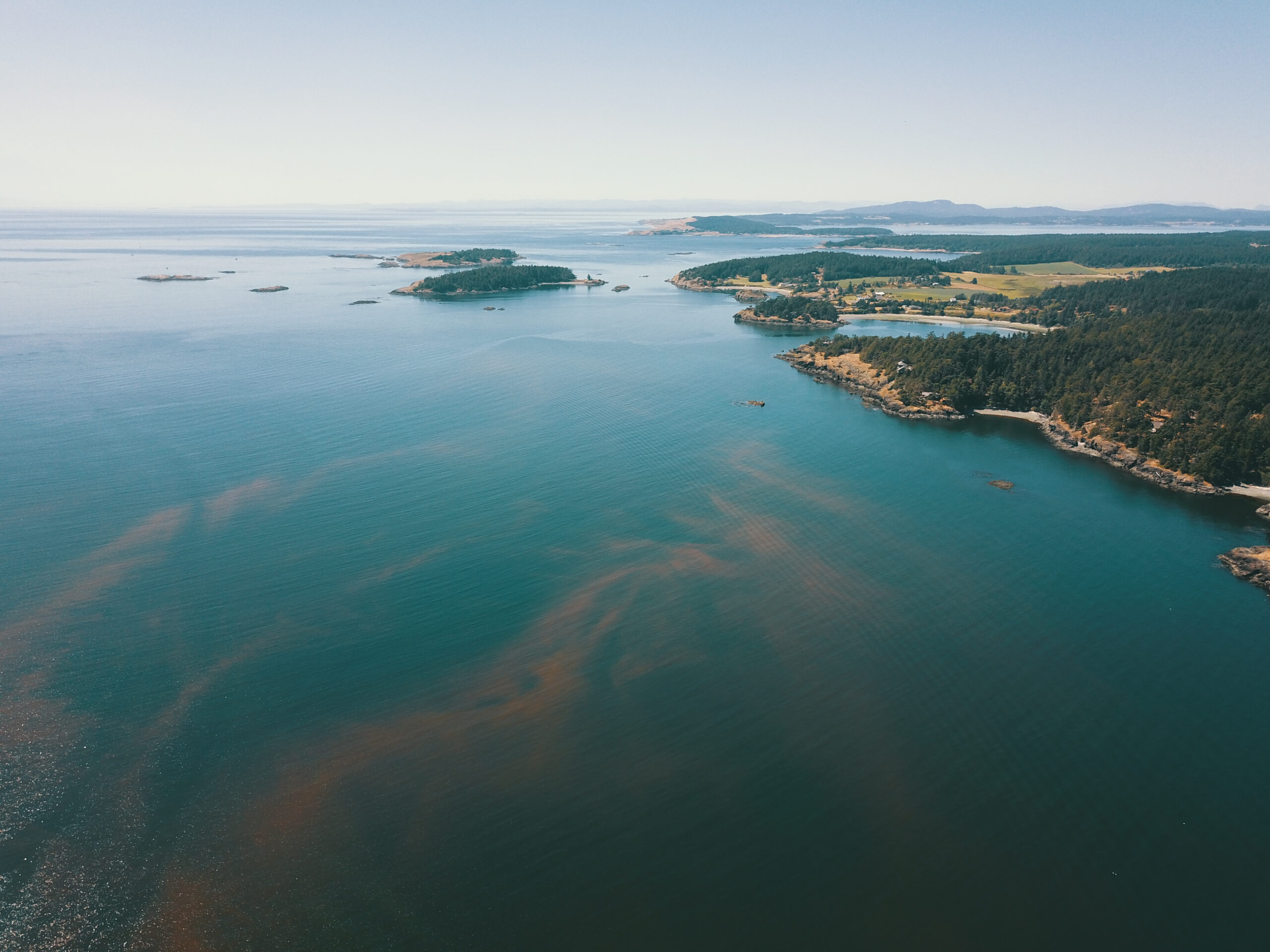 You may also have heard of brown tide and red tide. These refer to specific environmental phenomena in the ocean, not the physical movement of tides like high or low tide. However, that doesn’t mean they are any less important for boaters to be familiar with.
Brown Tide: This is caused by a bloom, or overgrowth, of marine algae in the water, which turns the water a darker brownish color. It’s not directly harmful to humans but likely indicates poor water quality and less visibility to boaters. While negatively affecting marine life, specifically eelgrass, scallops, and even some shellfish and finfish, it can negatively impact fishing activities for anglers.
Red Tide: Red tide is a more commonly known phenomenon caused by a bloom of toxic algae. These algae can produce toxins that are harmful to marine life, birds, and humans. For boaters, red tide can be a genuine concern as it can cause severe respiratory irritation if you’re on the water or near the coast. It’s also bad news for fishing, as the toxins can kill fin fish and contaminate shellfish.
For boaters, these types of tides (or, more accurately, algal blooms) can seriously impact a day out on the water. If you’re planning a boating trip and hear about these conditions in the area, it’s a good idea to check with local authorities or environmental agencies for advisories. They can tell you whether it’s safe to go out and what precautions you should take.
A Tidal Wave of Information
 Being well-versed in the different types of tides is enormously beneficial for boaters. Grasping how tides work aids in safe navigation, ensuring you can sail smoothly and dock or anchor without the risk of damaging your vessel or getting stranded. Navigating with the tides, rather than against them, also leads to more fuel-efficient and comfortable journeys.
For anglers, tide knowledge is a key to success. Many fish species are more active during certain tidal conditions, so understanding these patterns can significantly enhance your catch. Moreover, being mindful of tidal patterns shows a deep respect for the marine environment. It guides boaters to avoid ecologically sensitive areas, particularly during critical times like breeding seasons, which are influenced by tidal cycles.
Understanding tides isn’t just a technical aspect of boating; it’s about syncing with the ocean’s rhythm, ensuring a safer and more environmentally conscious experience on the water.
Why Boat Insurance is Crucial
 Even if you’re a tidal expert and well-prepared, obtaining boat insurance is still a smart idea. The ocean is unpredictable, and many factors beyond tides can affect safe boating. Weather conditions, mechanical failures, and unexpected events (like collisions or injuries) can happen. Insurance helps protect against these unforeseen incidents, covering potential damages or liabilities. While knowledge of tides is a powerful tool for safe and enjoyable boating, insurance provides a safety net for those rare but significant instances when things don’t go as planned. It’s like wearing a life jacket – you hope you never need it, but you’re really glad to have it when you do!
Connect with the professionals at NBOA to get your free marine insurance quote today.