BOATERS BLOG
Spring Lines Explained: A Guide to Casting off and Docking with Ease
By NBOA •September 8, 2025
While the best parts of boating involve cruising and gliding through the waves, enjoying watersports, or fishing peacefully, an easily overlooked but vital aspect to be cognizant of is taking care of your boat when casting off and docking. Between the movement of the water, continuous waves, and gusts of wind, it can be challenging to keep your boat steady and avoid crashing into the dock. Luckily, the boating experts here at NBOA are sharing our guide to spring lines, breast lines, and mooring tips to make these processes feel like “smooth sailing” for both beginner and seasoned boaters.
What is a Spring Line?
 If you tend to have trouble keeping your boat in place, spring lines are essential tools for limiting your boat’s ability to move forward and backward when tied up at a dock. Often made from nylon to ease tension and reduce shock, a spring line is a mooring aid that, when correctly implemented, should stop your vessel from moving forward and/or backward when tied up. Theoretically, spring lines make mooring your boat more manageable and less dramatic. When utilized properly, your vessel will have limited movement, keeping it from crashing into the dock with each wave.
How Do Spring Lines Work?
 The most common lines that any boater should be aware of are the breast lines that connect the ship to the dock cleats with two parallel lines. Typically, boats over 55 feet should have four cleats (two bow cleats and two stern cleats) and a couple of additional cleats between them. Spring lines should be at the fore and aft cleats on the vessel. The forward spring line connects your line from a stern cleat on the vessel to a cleat on the dock at least half the vessel’s length and towards the bow. This should limit aft movement. The opposite should be done to the aft spring line, attaching it from the bow of the vessel to the dock with a line of at least half the vessel’s length towards the stern of the boat. Similarly, this should limit forward movement. With these lines running along the ship and the breast lines parallel to the dock, the motion of your vessel should be extremely limited, and your boat should be well protected from bumping into anything, regardless of choppy waters or windy days.
What Types of Boats Should Utilize Spring Lines?
 Now that we know how to use spring lines, it’s important to know whether your boat should use them. And the answer to that question is, “yes!” All vessels should use spring lines, particularly when planning to stay docked for an extended time. Boats under 55 feet may have fewer than four cleats; therefore, attaching two spring lines and two breast lines may be difficult. It is, however, possible with some ship cleats to tie multiple lines per cleat.
Why Are Spring Lines Important?
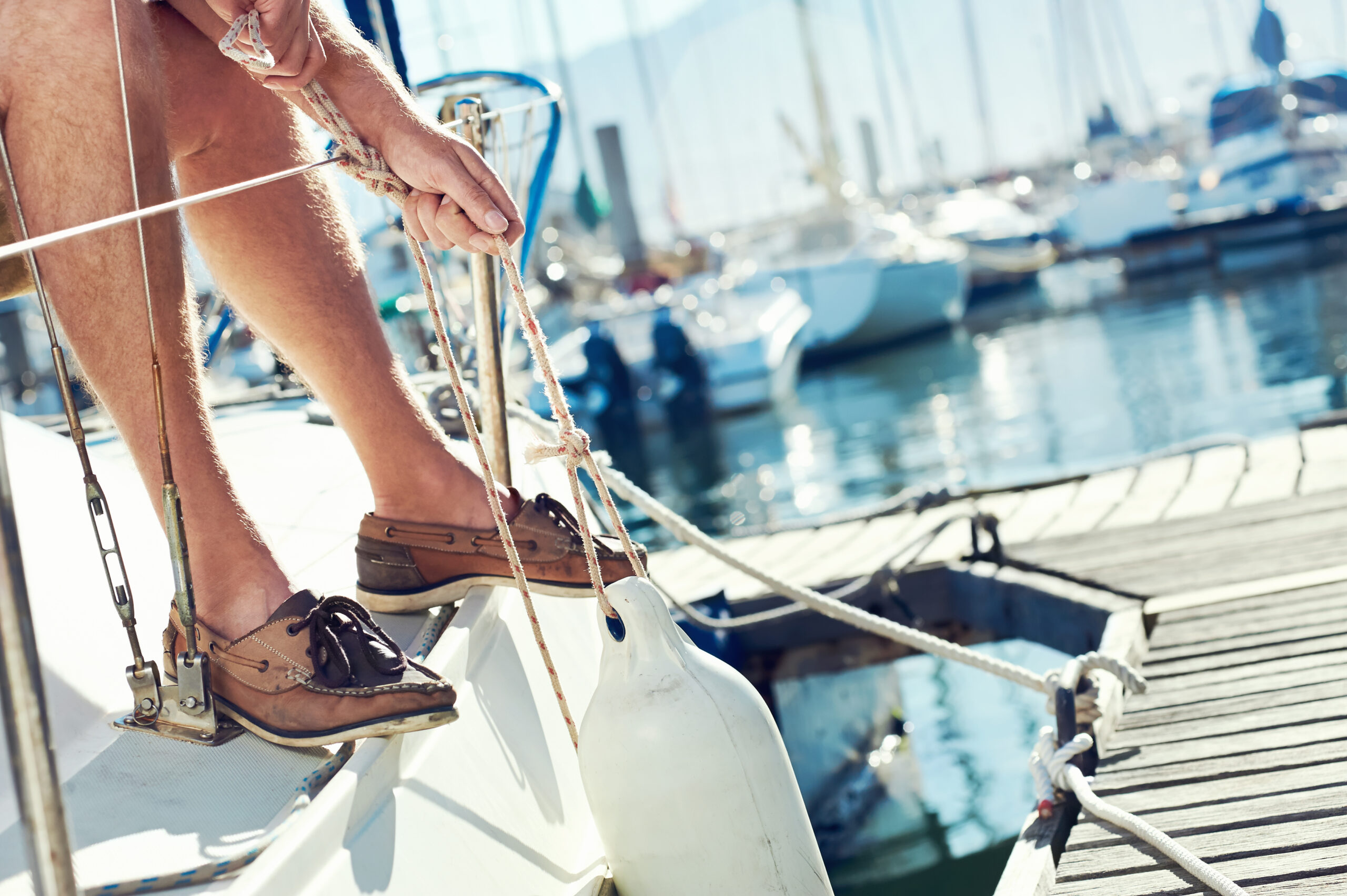 Limiting the movement of your boat at the dock helps prevent unplanned swims while trying to board and deboard, as well as ensure the vessel doesn’t drift into anything or accrue wear and tear from excessive movement in the water. By tying up with proper spring lines, you will be effectively saving yourself money and time on maintenance and potentially even repair. Additionally, with a strict limit on fore and aft movement, you also limit the chance of injury if someone falls overboard during rocky motion.
Mooring your boat can be difficult, and knowing how to tie up at the cleats properly can make embarking and disembarking much more effortless and lower the risks due to unexpected movement. However, even if you are confident in your spring lines, having a solid marine insurance plan from NBOA will give you confidence and ease both on and off the water.