BOATERS BLOG
Going Boating and Don’t Know What to Wear? Cover All Your Bases with Our Guide to the Best Boating Clothing
By Amanda Kornak •July 15, 2026
There’s nothing quite like a day on the water, but deciding what to wear can be trickier than it seems. One minute you’re picturing sunshine, calm water, and a relaxing cruise, and the next you’re dealing with strong wind, unexpected spray, or a chilly ride back to the dock. The good news is that a little preparation goes a long way. The experts at NBOA know that the best boating outfits strike a balance between comfort, safety, sun protection, and practicality. Whether you’re heading out for a fishing trip, spending the afternoon wake surfing, enjoying a family cruise, or dressing up for dinner on the water, the right clothing can help make your boating adventure safer and more enjoyable. Use this guide to make sure your boating wardrobe is ready for whatever the day brings.
Check the Weather
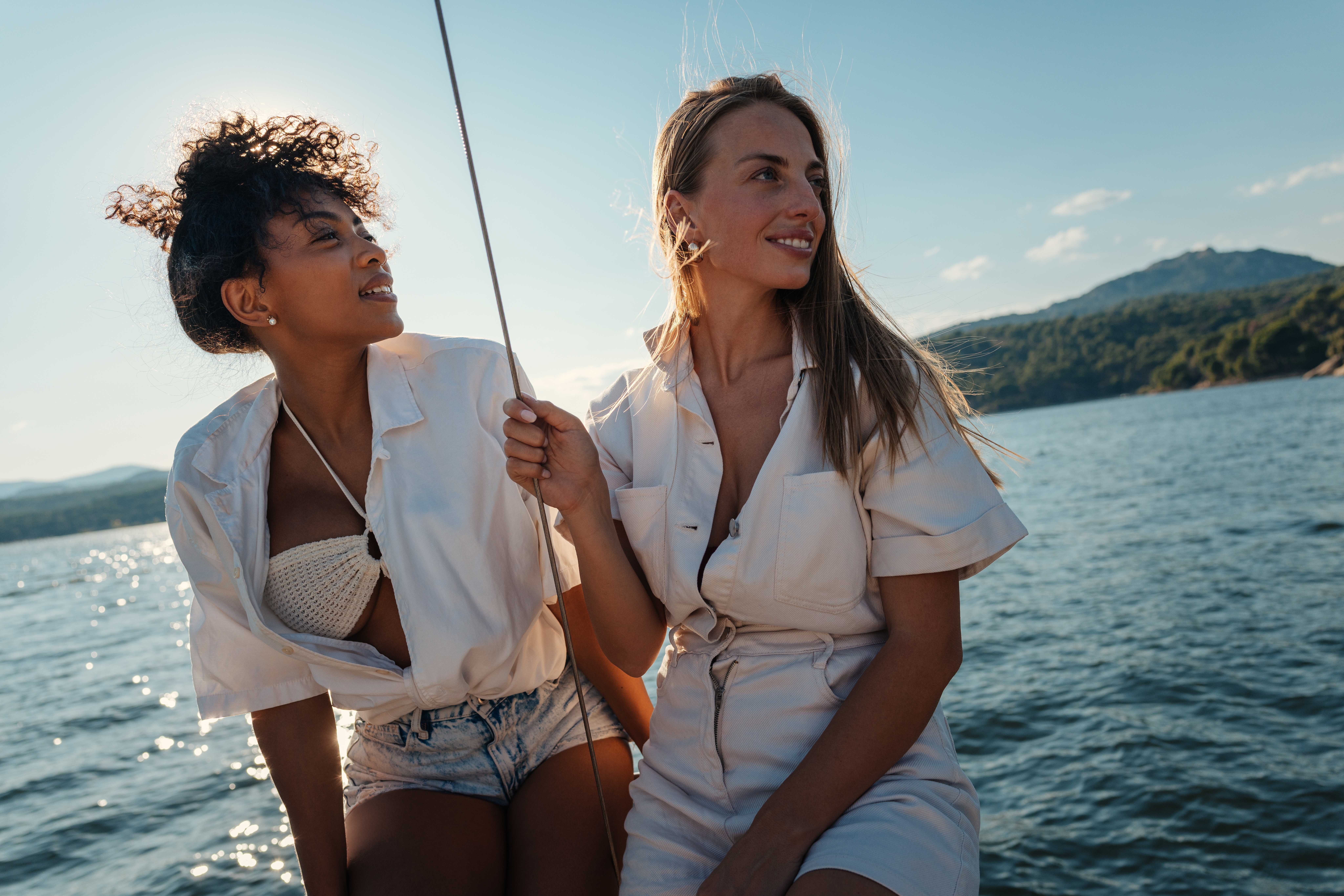 The first step before picking your outfit is to check the weather forecast. While you may have dreamed of warm sunshine on your skin and jumping into the water to cool off, the forecast might tell another story. Perhaps you were expecting to go wake surfing, but there’s a storm rolling in and the waters are going to be rougher than expected. Maybe the day will begin warm and sunny, but turn windy and cool by late afternoon.
Checking the weather reports will help determine what kind of clothing will be best for your boating day. Remember that temperatures often feel cooler on the water because of wind and spray. Even on a warm day, it is smart to bring a lightweight waterproof or wind-resistant layer. A jacket that packs easily into a dry bag can make the ride home much more comfortable.
Dress in Layers
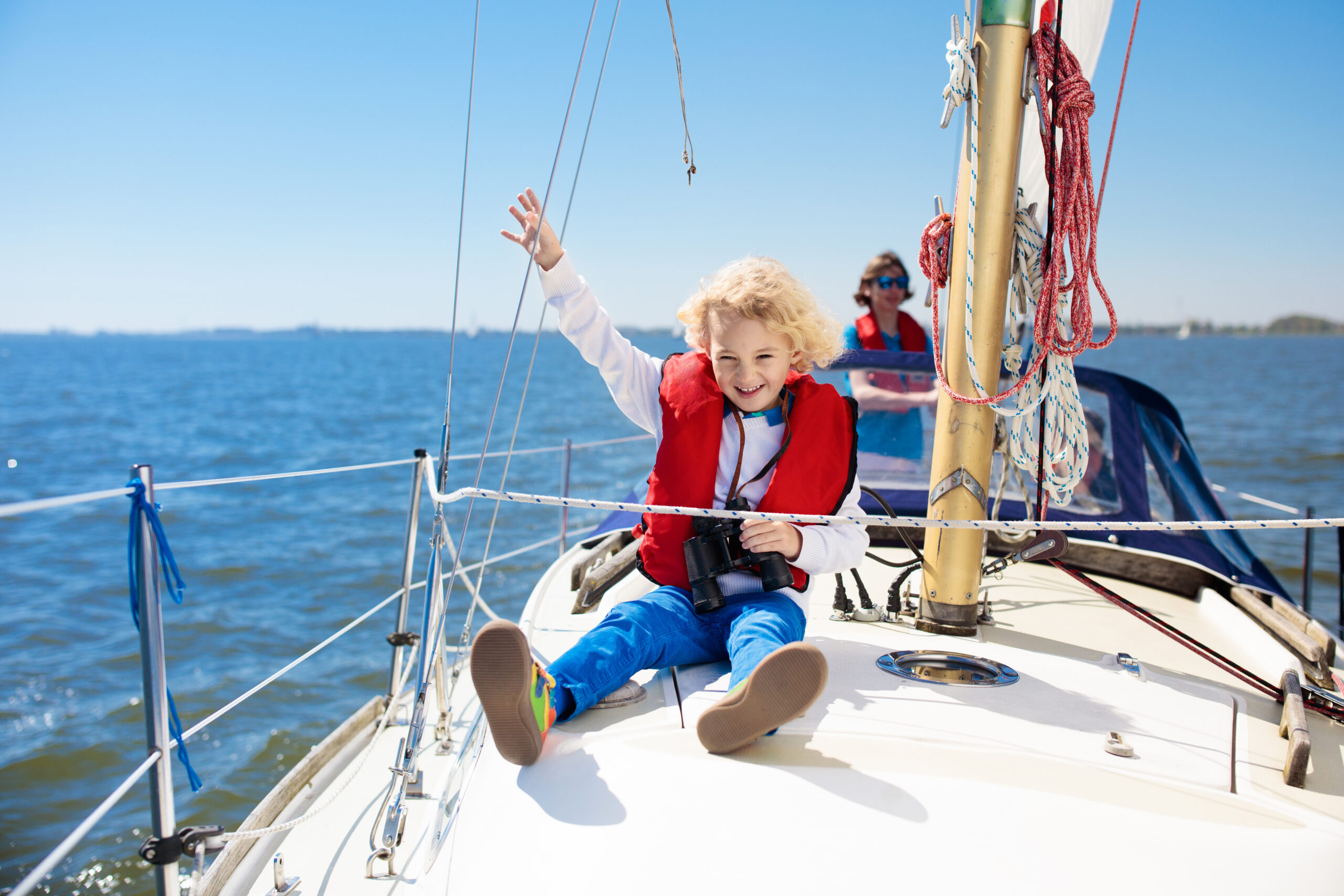 Layering is one of the easiest ways to stay comfortable on a boat. Conditions can change quickly, and you may sail or cruise between direct sunlight, shade, and heavy wind throughout the day. Start with a lightweight, moisture-wicking base layer. Add a shirt, sweatshirt, or fleece when temperatures are cooler, and finish with a waterproof or wind-resistant outer layer.
Layers are especially helpful during early-morning fishing trips, sunset cruises, and spring or fall outings. You can remove clothing as the day gets warmer and put it back on if the wind picks up. Choose layers that have quick-drying abilities and are easy to move in, rather than bulky.
Warm Weather Clothing & Sun Protection
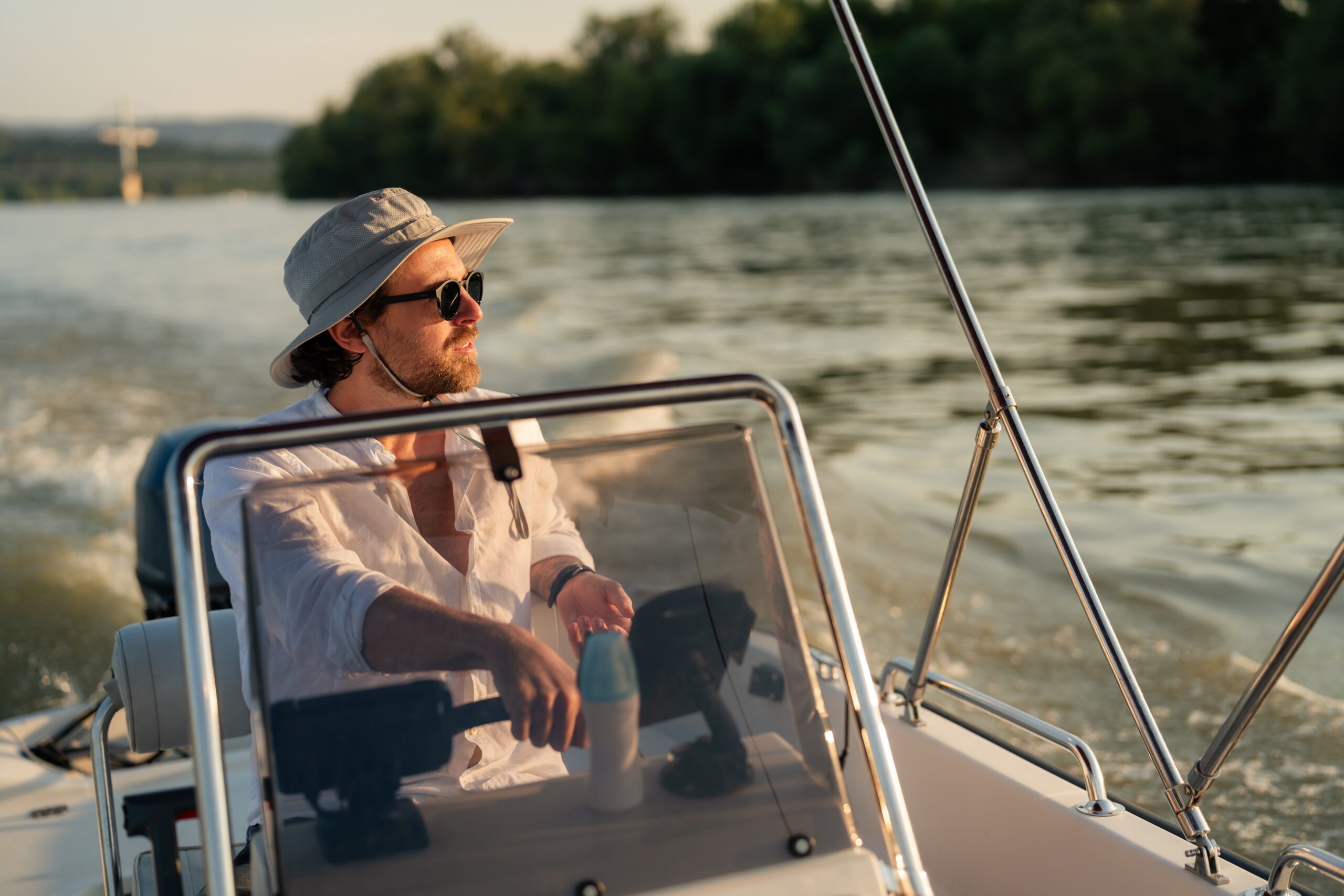 For warm-weather boating, a bathing suit, shorts, and a shirt that offers some sun protection is the perfect place to start. A long-sleeve sun shirt or rash guard can provide additional protection from the sun and wind without making you feel overheated. Sun exposure can be especially intense while boating because sunlight reflects off the water, creating the perfect recipe for sunburns. Even when the air feels cool or clouds are present, you may still be exposed to harmful rays.
It’s important to bring aboard water-resistant, broad-spectrum sunscreen and reapply it throughout the day, especially after swimming or sweating. A hat can help protect your face and scalp, but make sure it fits securely and won’t blow away as the boat glides through the water and bounces over waves. Polarized sunglasses are another boating essential that can reduce glare from the water, making it easier to see while also protecting your eyes. Consider using a floating sunglass strap to keep them from disappearing overboard.
A quick-drying towel is also useful. It can dry you off after swimming, provide an extra layer of warmth on the ride home, or offer temporary sun protection.
Cool Weather Clothing
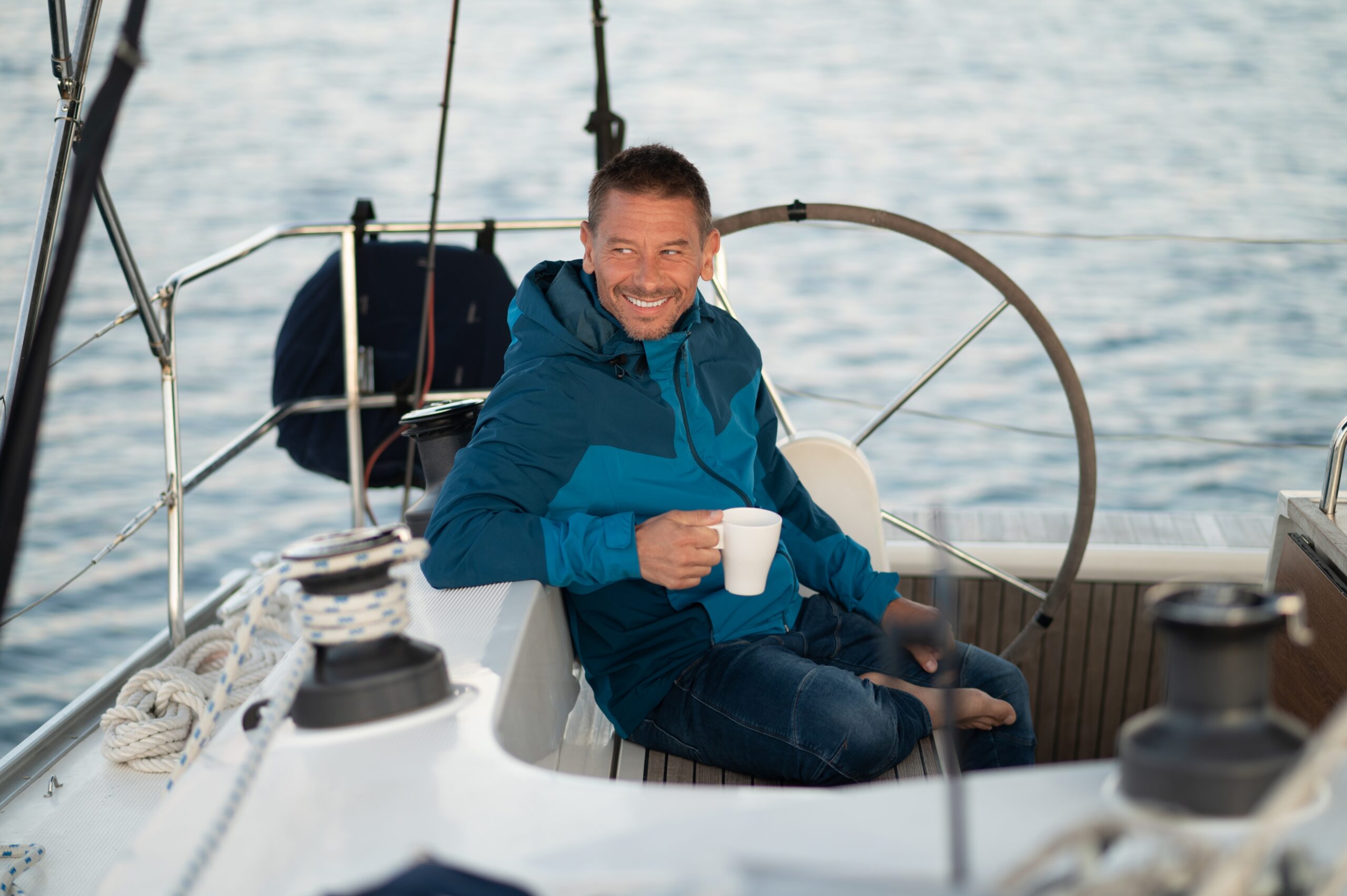 Cool-weather boating requires a little more planning and packing. Pants, sweatshirts, windbreakers, and rain jackets can all help keep you comfortable when temperatures drop, and a wetsuit can keep you warm in the water during your favorite water activities. A moisture-wicking base layer and/or an insulating fleece paired under a waterproof outer shell is a dependable combination. The base layer helps move moisture away from your skin, the fleece provides warmth, and the outer layer blocks wind and spray. Avoid relying on one extremely heavy layer. Multiple lighter layers usually provide better temperature control and are easier to adjust throughout the day.
Don’t forget about your hands, feet, and head. Warm socks, gloves, and a secure knit cap can make a major difference during cold mornings or late-season outings. For particularly cold conditions, consider clothing designed specifically for marine use. Insulated and waterproof boating gear can provide better protection than everyday jackets and pants.
Best Shoes for Boating
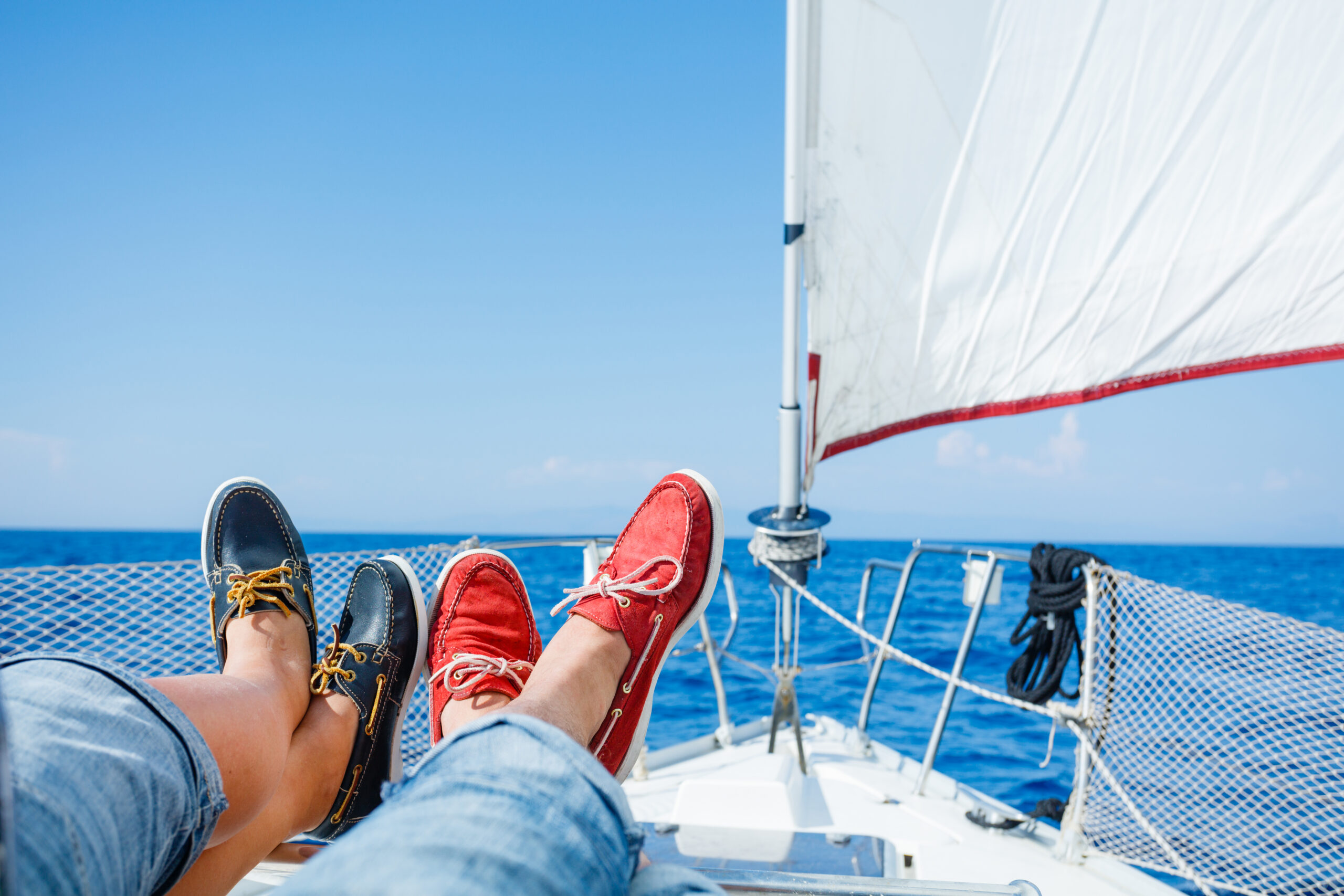 Nonslip, non-marking shoes are usually the best option for boating. They provide traction on wet surfaces while helping protect the boat’s deck from marks and damage. Always look for shoes that fit securely, drain easily, and dry quickly. Boat shoes, water shoes, and some secure sport sandals may all work well, depending on the activity and type of boat.
Slick-soled shoes, high heels, and loose flip-flops can quickly become safety hazards. They may slide on wet decks, catch on equipment, or fall off while moving around the deck. Some captains may ask passengers to remove their shoes entirely to protect the deck or reduce the risk of slipping. Check with the boat owner or captain before your trip so you know what is expected.
Consider Boating Activities
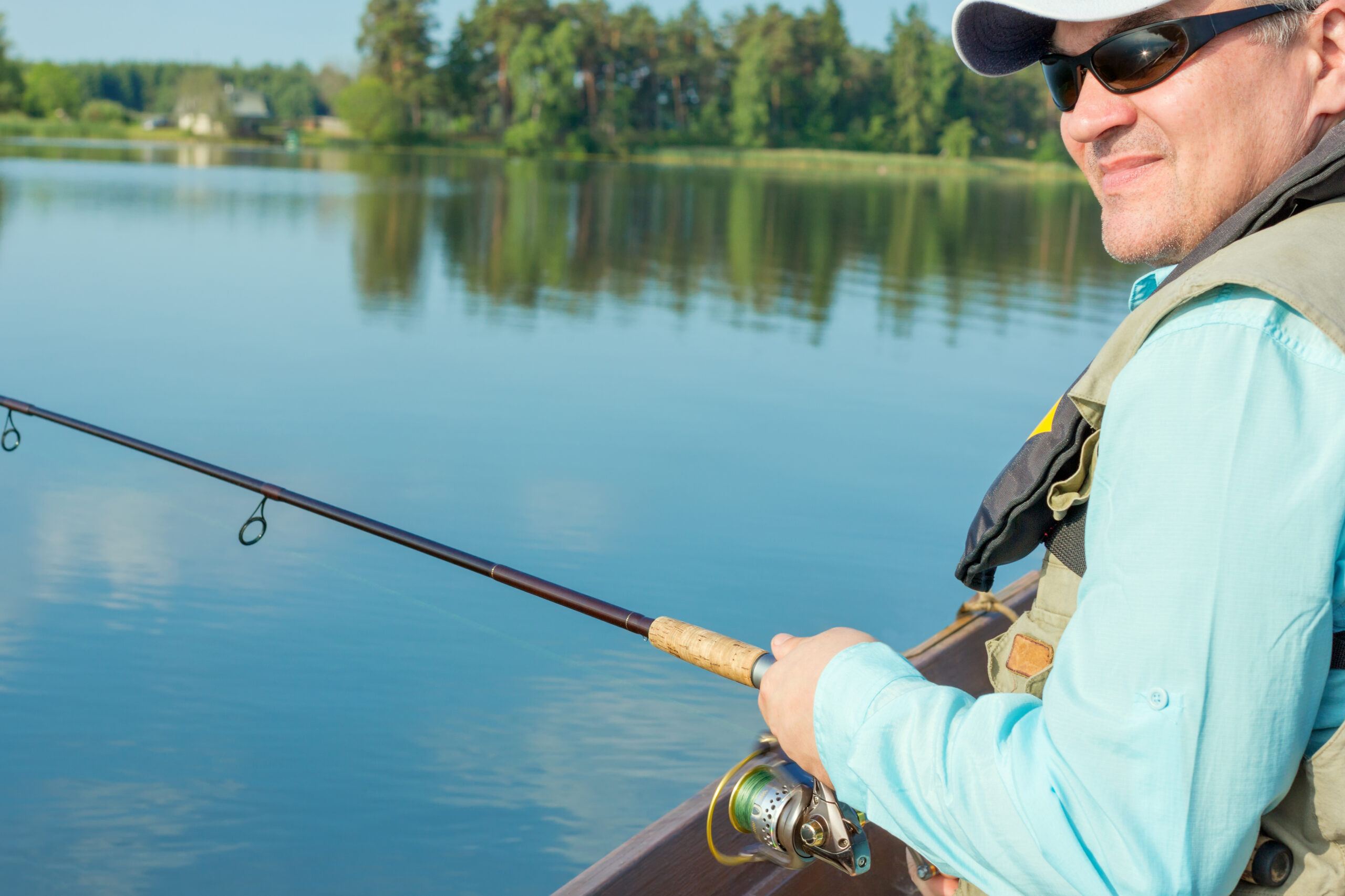 Once you know what to expect from Mother Nature, think about the type of boating you will be doing. Your planned activities should play a major role in determining what you wear.
A casual fishing trip calls for practical clothing that provides sun protection, freedom of movement, and enough storage for small items. Fishing shirts, quick-drying pants, waterproof shoes, and a hat are all useful choices.
For sailing, watersports, or small-boat outings, pack a swimsuit, rash guard, spray jacket, and a dry change of clothes. You may also want gloves or specialized footwear, depending on the activity.
If you are going kayaking, paddleboarding, or riding in an open boat, expect to get wet. Clothing that dries quickly and remains comfortable when damp will be much more useful than heavy fabrics.
A dinner cruise, yacht gathering, or date aboard a boat may call for a more polished outfit. Nice shorts with a button-down or golf shirt, linen pants and a lightweight top, or a comfortable sundress can all work well.
Even when dressing up, remember that you are still on a boat. Choose clothing that allows you to move easily and shoes that provide a secure footing. It’s always smart to bring a light jacket for the evening, when the temperature may drop, and the wind may feel stronger.
Clothing for Swimming and Watersports
 If swimming, tubing, wakeboarding, water skiing, or wake surfing is on the itinerary, choose a swimsuit that fits securely and allows you to move comfortably. Loose swimwear may shift during high-speed activities, while decorative ties or accessories can catch on equipment. Athletic-style swimsuits and board shorts are often more practical for active days on the water.
A rash guard can help protect your skin from sun exposure, friction, and irritation. In cooler water, a wetsuit can help you retain body heat and stay comfortable. Water temperatures can be much colder than air temperatures, so never base your decision on the weather alone. Check the water temperature before your trip and dress accordingly.
Bring a full change of dry clothing for after your activity. Changing out of wet clothing prevents chills, especially when the boat is moving, and the wind picks up. Trust us, it’ll be a much more pleasant cruise back to shore when you’re warm and dry.
What Not To Wear Boating
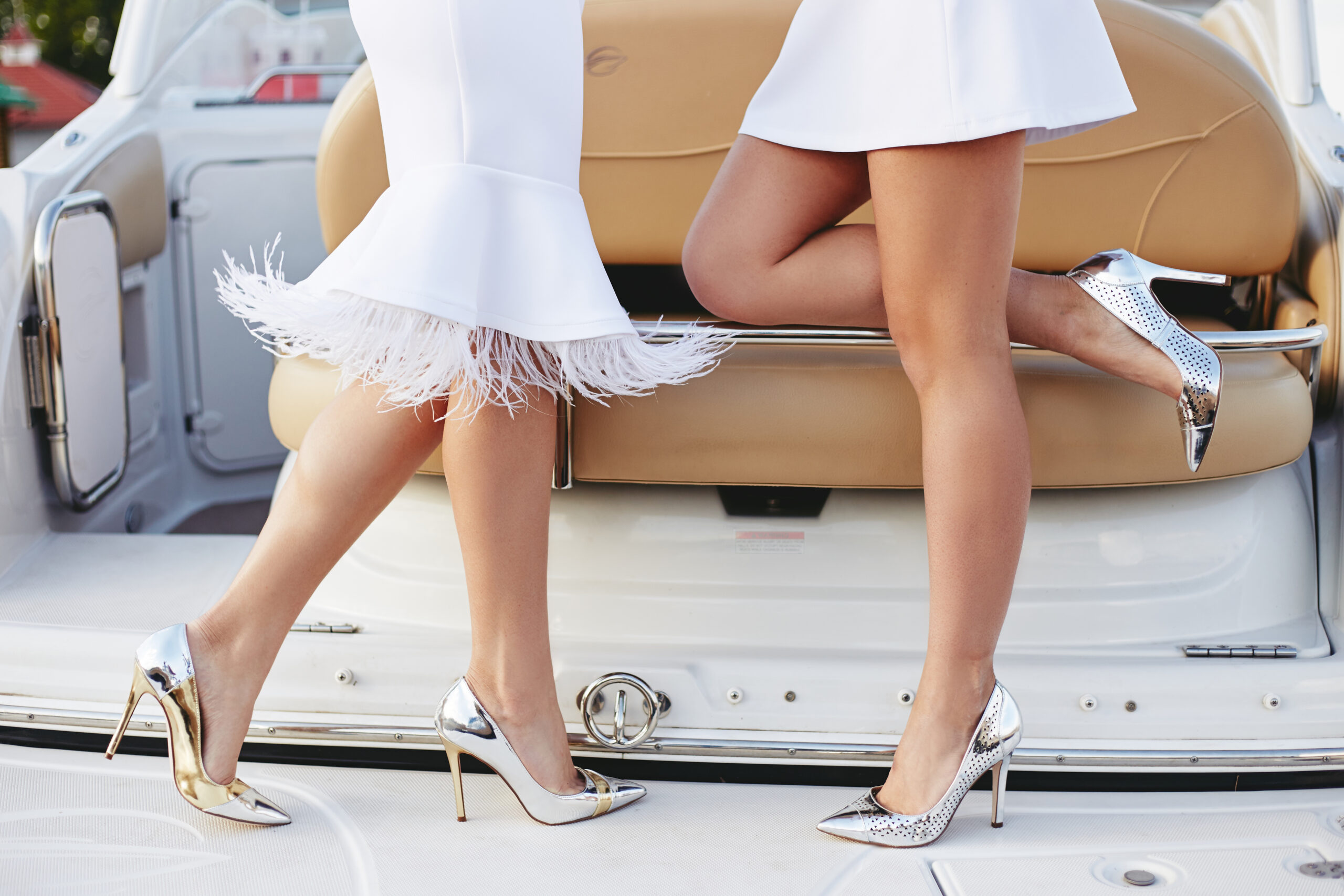 While many everyday clothing items are fine for a short boating excursion, there are a few things that are better left ashore. For instance, avoid expensive accessories or items that could be damaged by saltwater or sunscreen.
Baggy clothing, loose scarves, and dangling jewelry can catch on lines, hooks, cleats, and other equipment. They may also become lost overboard, prove to be impractical, or create a safety risk while you move around the boat.
Extremely restrictive clothing can also make it difficult to move safely. You should be able to step aboard, sit comfortably, reach for a handrail, and move around the deck without difficulty.
The best boating clothing is a reliable outfit for many recreational trips, including a lightweight long-sleeve sun shirt, quick-drying shorts or pants, a secure hat, polarized sunglasses, nonslip shoes, and a windbreaker. Add or remove layers depending on the weather, and bring a dry change of clothes, just in case.
At NBOA, we know all about planning for the conditions you expect, and being prepared for the conditions you do not. With the right clothing onboard, you can spend less time worrying about sun, wind, spray, or changing temperatures and more time fishing, cruising, swimming, and enjoying your day on the water.