BOATERS BLOG
Fun Fishing Facts: From Ancient Hooks to Record-Breaking Catches
By NBOA •June 5, 2025
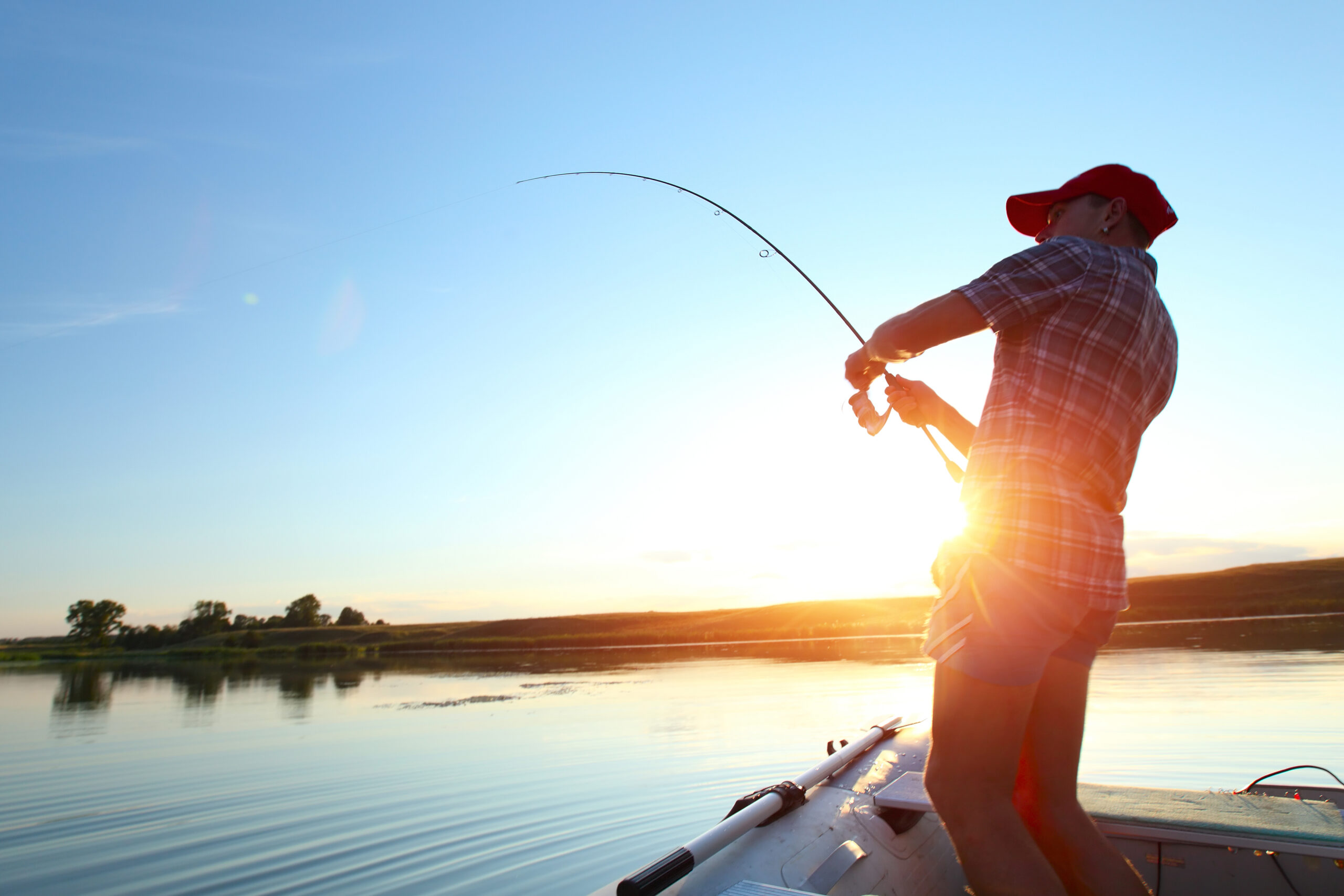
One of the most popular activities to enjoy while boating is fishing. Whether you’re teaching the littles how to cast their first line or you’re a seasoned fisherman ready to bring home dinner, there’s a thing or two you might not know about this popular sport. For example, did you know that having bananas on a fishing boat is bad luck? Yep! Keep that sweet and healthy snack on shore. The boating experts at NBOA are sharing even more fun and interesting fishing facts that will get you inspired and excited for your next cast.
The Reel History of Fishing
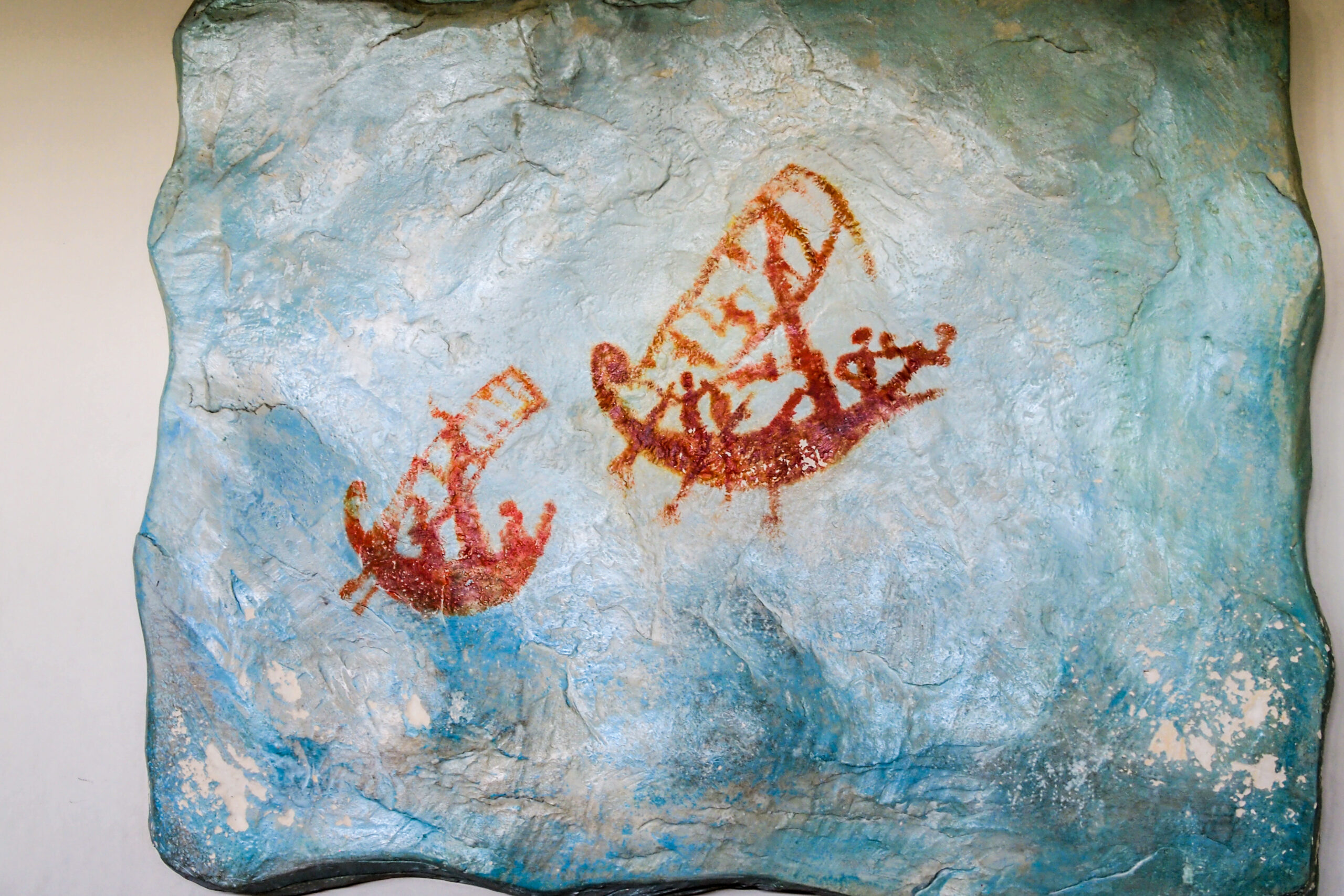 Fishing is one of the oldest human activities, as archaeologists believe that the first fishermen were Homo habilis and Homo erectus who lived 500,000 years ago. Evidence suggests that during the Paleolithic age (40 000 and 10 000 BCE), Homo sapiens redefined fishing by using natural tools like seashells and bone. However, it was in Egypt around 3500 BCE, where spears, weirs, and woven nets were truly developed and utilized. Ancient papyrus scrolls and tomb carvings reveal drawings of Egyptians fishing and preparing their catch.
Fast-forward to medieval times, fishing became regulated and reserved for religious groups with strict diets. By the 1600s, the first fishing reel was invented using a wooden spool and a metal ring that fit over a fisherman’s thumb. Today, these ancient techniques are still utilized in fishing for food, sport, or the pure zen of being on the water.
World’s Biggest Catch
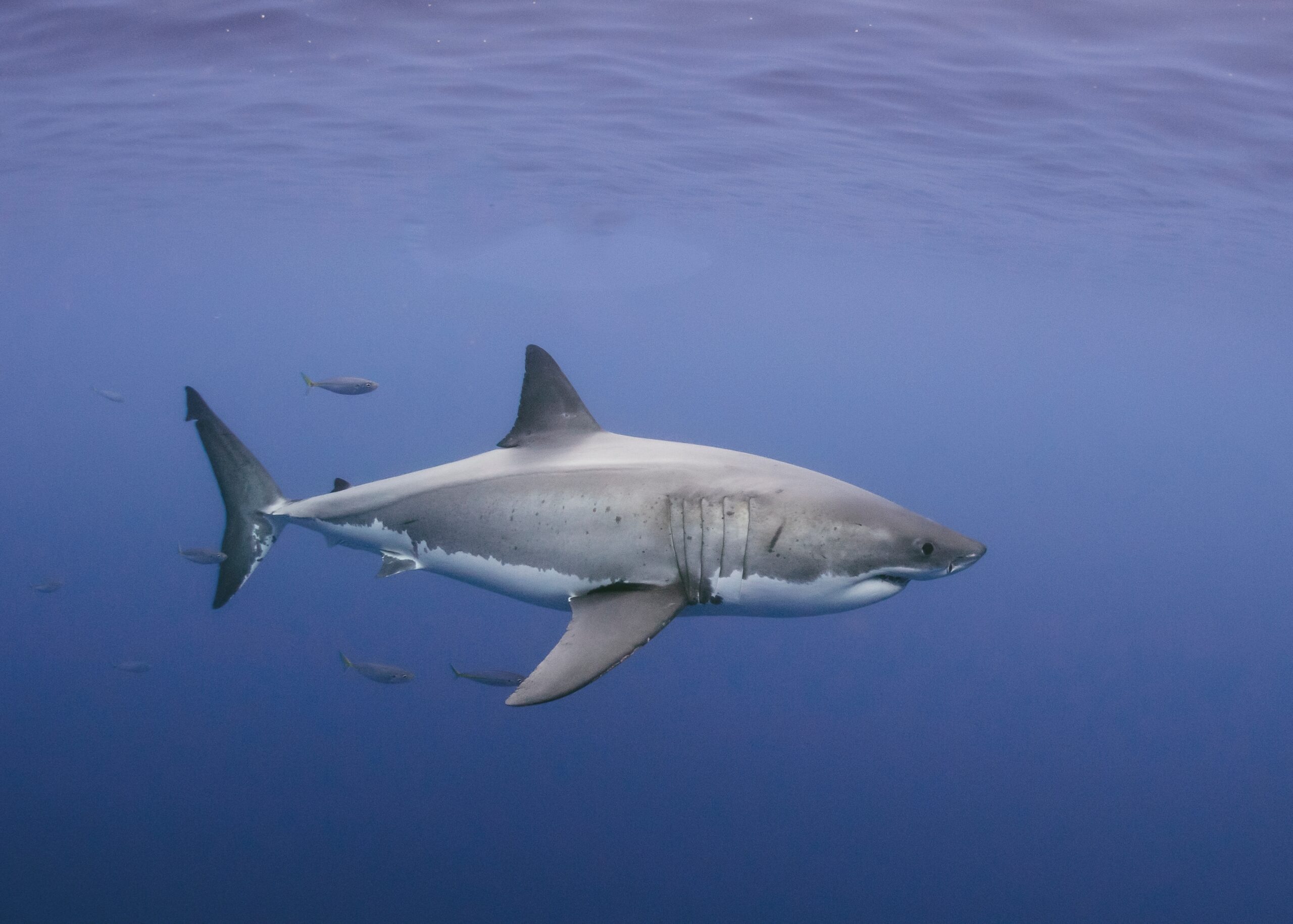
 If you’ve ever caught a fish that almost snapped your line and got away (but didn’t!), you know the feeling is unmatched. Alfred Dean felt it, too! He set the world record for the largest fish ever caught in Australia in 1959. According to IGFA, Dean reeled in a great white shark that weighed 2,664 pounds. This seriously jaw-dropping record proves that sometimes the big ones don’t get away.
In 2005, fishermen in Thailand netted a 646-pound Mekong giant catfish. With the catfish being nearly nine feet long, it earned the title of the biggest freshwater fish ever caught and was potentially the largest Mekong catfish ever recorded. Now that’s what you call a river monster.
 Whale sharks are the largest fish in the ocean, potentially growing over 60 feet long and weighing between 20 and 25 tons! While not typically caught for sport, their size makes them marine legends. There have been a few reports of a whale shark accidentally being caught in a fishing net off the coast of Thailand — talk about a big catch!
The Best Fishing Museums in the U.S.A.
Rainy day? Unable to go fishing and looking for the next best thing? Whether you’re traveling or live near one of these cities, there are top-notch museums all across the country that celebrate our angling heritage. Here are a few that should be on your bucket list.
 International Game Fish Association (IGFA) Hall of Fame & Museum – Dania Beach, Florida
The International Game Fish Association Hall of Fame & Museum is the crown jewel of sportfishing museums. It’s packed with epic exhibits, from world record catches and life-size mounts to antique reels and profiles of legendary anglers. It’s educational and inspirational, especially if you dream of setting a record one day!
National Fresh Water Fishing Hall of Fame & Museum – Hayward, Wisconsin
The National Fresh Water Fishing Hall of Fame & Museum is home to the famous “Shrine to Anglers,” a one-half city block and four-and-a-half-story musky sculpture you can literally walk into. This museum is a tribute to freshwater fishing in North America. Inside, you’ll find thousands of vintage lures, rods, reels, and stories that bring the freshwater fishing culture to life.
Texas Maritime Museum – Rockport, Texas
 While broader in scope, this Gulf Coast gem includes exhibits on commercial and sport fishing along the Texas coast, plus the tools, boats, and brave souls who’ve cast lines into those waters for generations. The Texas Maritime Museum was started at the Rockport annual Seafair Festival in the 1970s.
Lake Champlain Maritime Museum – Vergennes, Vermont
Nestled on the shores of Lake Champlain, the Lake Champlain Maritime Museum dives into the lake’s rich fishing history. Its 3-acre waterfront campus is a learning experience that includes underwater archaeology research projects, boat building, and more. The museum also features historic boat replicas, shipwrecks, and exhibits on traditional fishing methods used by Indigenous peoples and early settlers.
Types of Fishing Boats
Whether you’re chasing bass in a sleek bass boat, trolling offshore in a center console, or taking it easy in a pontoon with rod holders, the right boat can make or break your fishing adventure.
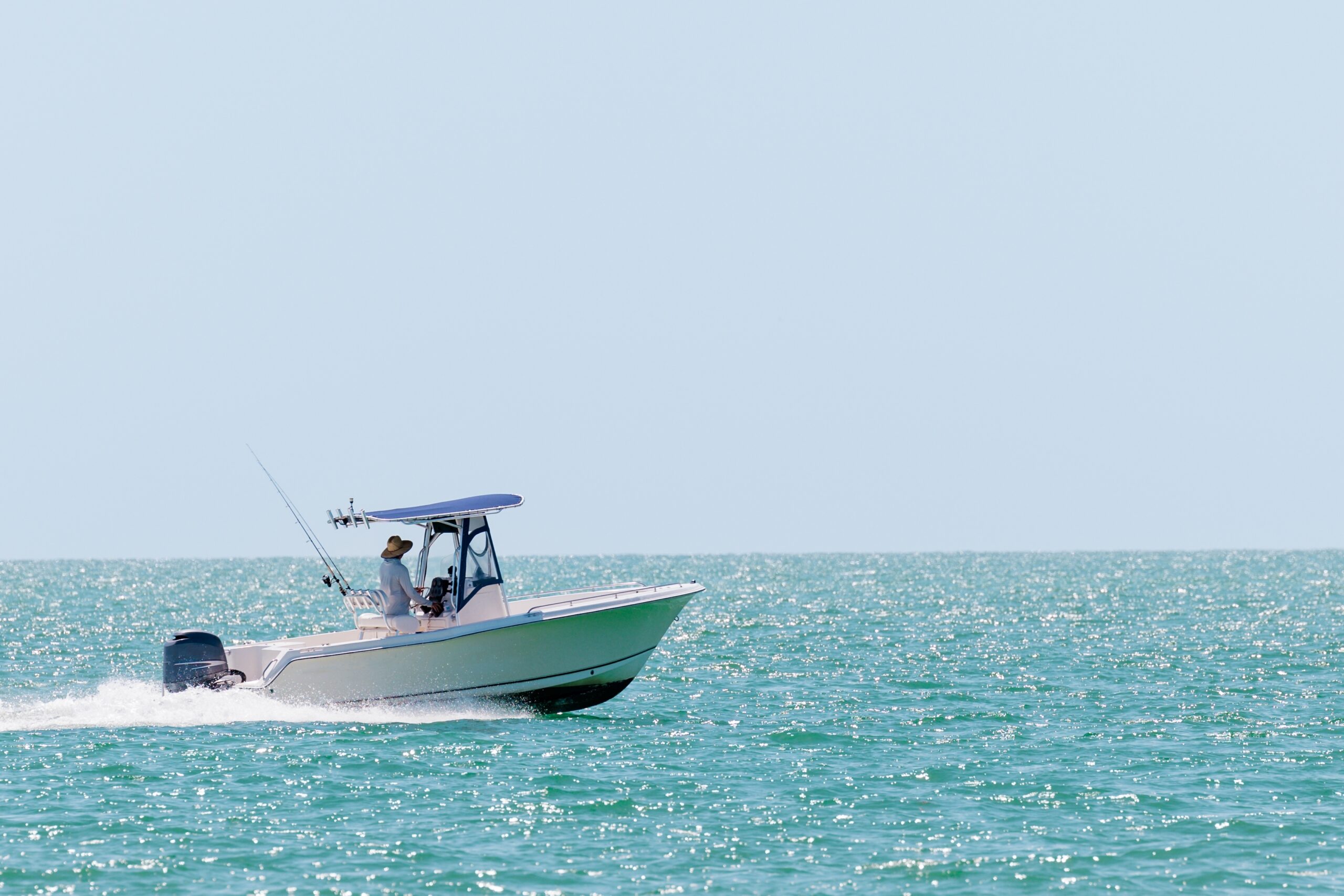 Some of the most popular fishing boats include:
- Center Consoles – Great for offshore and inshore fishing.
- Bass Boats – Lightweight, fast, and made for freshwater action.
- Skiffs & Flats Boats – Perfect for shallow waters and sneaky redfish.
- Sportfish Yachts – The big leagues for tuna, marlin, and deep-sea giants.
But owning a fishing boat isn’t just about horsepower and hulls. Boat insurance from NBOA is key to protecting your vessel, your gear, and yourself. A good fishing boat policy can cover:
- Accidental damage
- Theft of rods, reels, and electronics
- Liability for on-water accidents
- Towing and emergency services
 Not all boat insurance policies are created equal, especially for fishing enthusiasts who invest heavily in gear. At NBOA, we can offer plans that include personal effects coverage and equipment replacement, because your rods and sonar aren’t exactly cheap!
From ancient fishing hooks to modern sonar-equipped boats, fishing is a pastime that bridges history, sport, and adventure. It’s a connection to nature, a challenge against the elements, and a chance to tell a story about the “one that got away.” Whether you fish off a dock, through the ice, or from a boat insured better than your car, every fishing trip is a new chance to make memories and maybe catch a little magic.