BOATERS BLOG
A Comprehensive Guide to Yachts and Yachting
By Amanda Kornak •March 24, 2026
Yachting Explained: More Than Luxury on the Water
Yachts have long been associated with luxury and exclusivity, adventure, and life on the water, but there is far more to yachting than glamorous photos and celebrity headlines. From sleek sailing yachts to powerful motor yachts, these vessels come in many shapes, sizes, and price points. For some people, yachting is about sport and the freedom to travel. For others, it is about relaxing with friends and family, exploring new destinations, or enjoying a comfortable lifestyle centered on the water. The experts at NBOA are here to break down the basics of yachts and yachting, including what qualifies as a yacht, how much they cost, whether chartering makes sense, and what makes the experience so appealing.
What Is a Yacht?
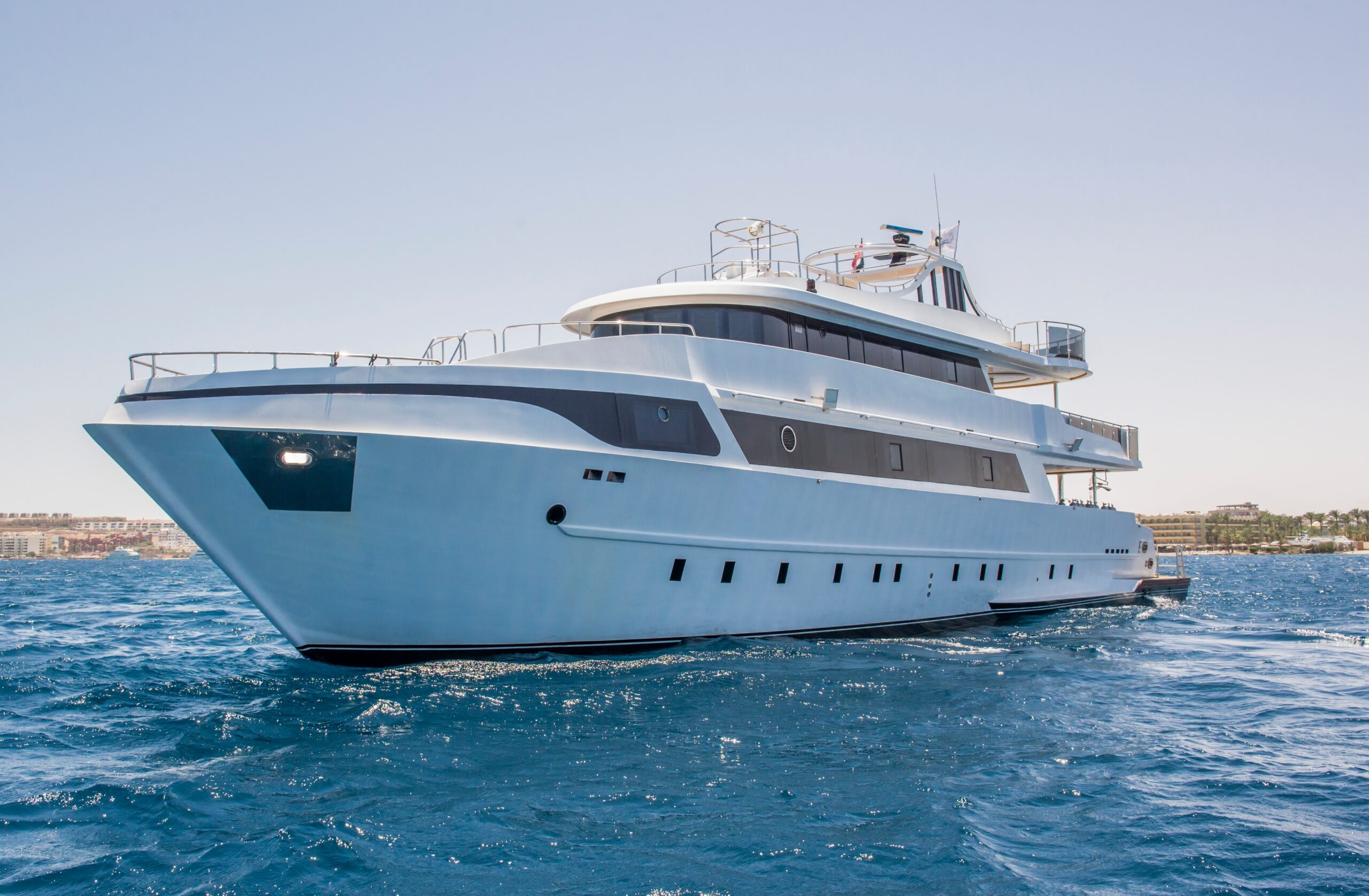 A yacht is generally defined as a recreational vessel built for pleasure cruising, entertaining, or spending extended time on the water. The term usually applies to boats in the 30- to 40-foot range and up, often with a beam of at least 8.5 feet. However, in the world of insurance, a yacht is always considered to be any vessel 27 feet or larger, regardless of cost or tonnage. As size increases, so does the terminology. Boats around 79 feet and above are often considered large yachts, while vessels 130 feet and longer are commonly referred to as superyachts.
However, the size of a vessel is only part of the story. What separates a yacht from a smaller recreational boat is its combination of comfort, capability, and accommodations. Yachts are typically designed for more than quick day trips. Many offer private cabins, full heads, a galley, lounge space, larger fuel and water capacity, and the systems needed to support overnight stays or longer cruises. In other words, a yacht is built not just to get you on the water, but to keep you comfortable once you’re aboard.
Unlike commercial vessels, yachts are designed with leisure in mind. Some are sleek and sporty, while others are built for long-range cruising, entertaining, or luxurious nights aboard. They may be powered by engines, sails, or both, depending on the style of boating they’re intended for.
A Quick Look at Yacht Types
 Yachts come in several common categories, and each appeals to a different kind of boater.
Motor yachts are popular for their speed, convenience, and spacious onboard layouts. They are a natural fit for cruising, entertaining, and making the most of time on the water.
Sailing yachts appeal to boaters who enjoy a more traditional, hands-on experience of harnessing the wind. For many owners, the experience of sailing is part of the yacht’s appeal.
Sportfishing yachts are built to handle offshore conditions while still offering the comfort and premium features expected of a larger recreational vessel.
Catamaran yachts are known for their stability, wide beam, and roomy layouts, making them especially popular for cruising and charter use.
What Makes a Yacht Different From a Boat?
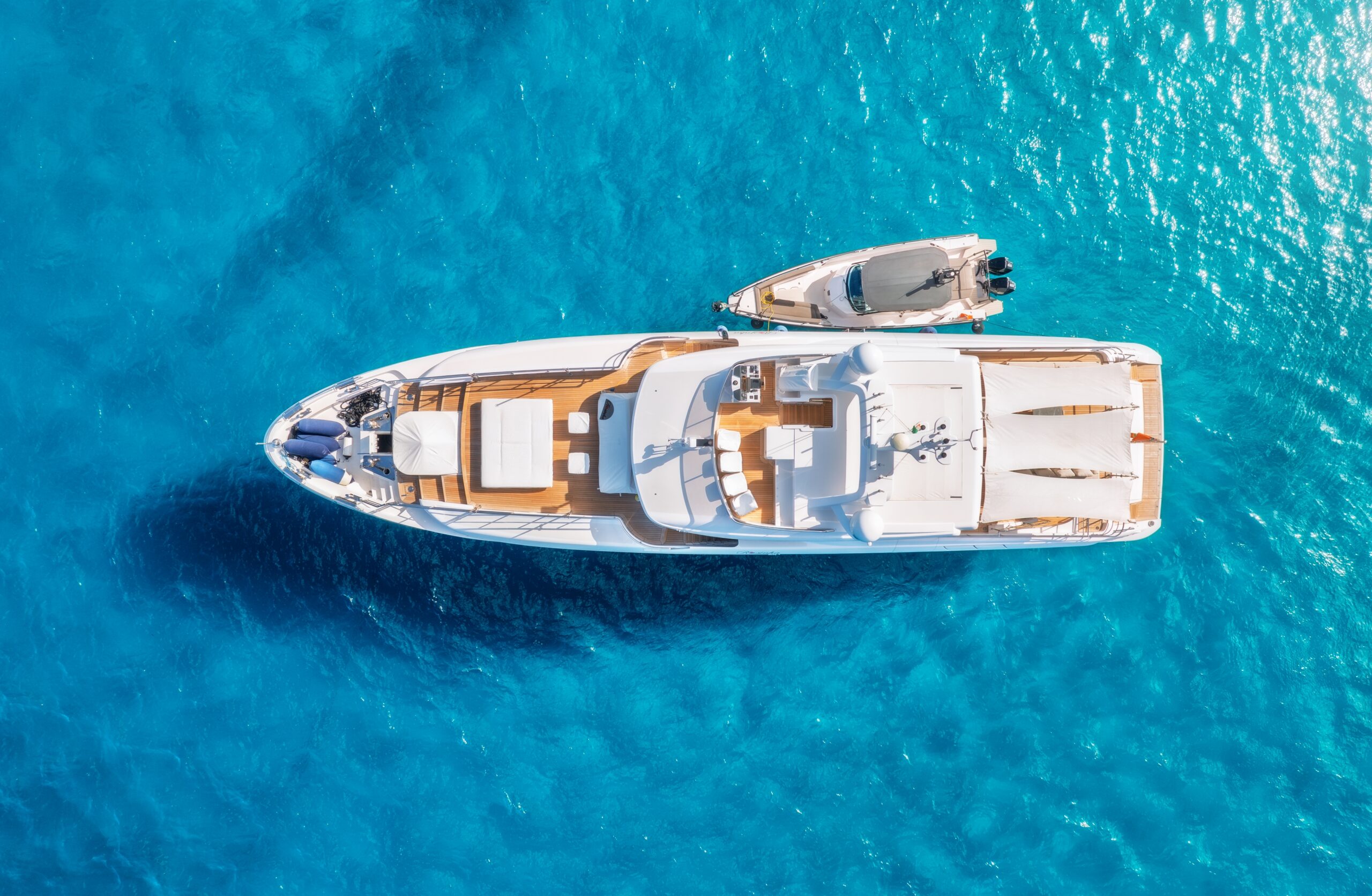 The line between a “boat” and a “yacht” can sometimes be hard to identify. Of course, you can start by evaluating the size of the watercraft and its ability to be towed to and from the water with relative ease. Another way to differentiate the two is that yachts are generally expected to offer more onboard comfort and greater capability than smaller pleasure craft. They are often better equipped for longer outings and, in many cases, more demanding water conditions.
That may include features such as:
- Multiple cabins
- Lounge spaces
- Private staterooms
- Full heads
- A galley for food preparation
- Freshwater and wastewater systems
- More fuel capacity
- Advanced electronics and navigation equipment
- Dedicated entertaining and lounging areas
Most yachts also require professional crew, especially when they are heavily outfitted or intended for extended cruising. Still, some modern yachts can be safely operated by an owner or a small crew, depending on size and complexity.
Yacht Classifications and Offshore Capability
 You can also classify yachts (and boats) by the kinds of conditions they are built to handle. These design categories indicate how well suited a vessel is for open-water, coastal cruising, or protected inland use.
Class A yachts are built for the most demanding conditions, including offshore passages and open-ocean use. These vessels are designed to handle stronger winds and larger waves while remaining self-sufficient in rougher seas.
Class B yachts are generally considered offshore or coastal vessels. They are built for navigating coastal waters and taking passages farther from shore, though typically not with the same capability as Class A vessels.
Class C boats are intended for inshore and nearshore waters such as bays, rivers, and lakes. They can handle moderate chop but are not designed for serious offshore conditions.
Class D boats are best suited for sheltered waters, where wind and waves remain relatively limited.
In practical terms, yachts are often associated with the higher end of that capability scale. They are generally expected to support longer cruises, provide more shelter for passengers, and carry the equipment needed for a wider range of boating conditions.
A Short Yacht History Lesson
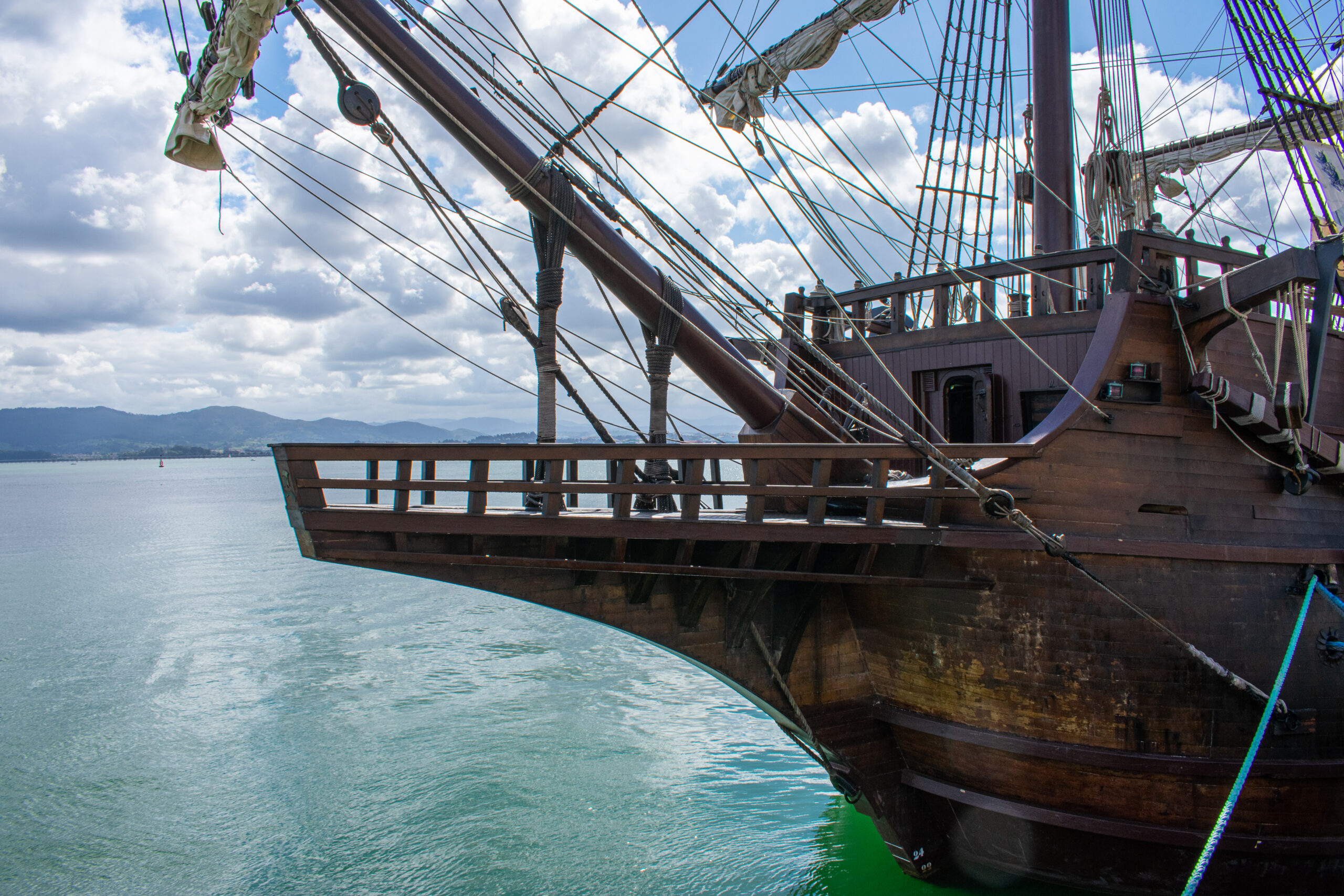 For those interested in etymology or history, you’ve come to the right place. “Yacht” comes from the Dutch word meaning “hunter,” which is where the origin story for yachts begins. The first yachts were fast sailing vessels used by the Dutch navy in the 16th century to pursue pirates in shallow coastal waters. Before long, those vessels caught the attention of Europe’s wealthy class, especially in England, where they were adapted for private recreation and racing. It’s no secret that their recreational purpose has remained central ever since, associated with performance, status, and enjoyment on the water.
How Much Do Yachts Cost?
 Yachts can be a broad category, which means the price tags cover a wide range, too. Smaller pre-owned yachts may start in the low six figures, while larger, more luxurious models can quickly climb into the multi-millions. Size, builder, age, condition, and onboard amenities all play a role in determining the final price.
Smaller yachts (under 50 ft): $100,000 to $500,000
Smaller yachts, including pocket yachts, day boats, and weekenders under 50 feet, might range from about $100,000 to $500,000. These boats often feature simpler layouts, open deck plans, and one or two staterooms, making them well-suited for short cruises, fishing trips, entertaining, or occasional overnight trips.
Mid-size yachts (50-70 ft): $500,000 to several million
Mid-size yachts in the 50- to 70-foot range often begin around $500,000 and can climb into the multi-million-dollar range. At this size, buyers can expect more deck space, larger cabins, outdoor dining areas, swim platforms, wet bars, lounges, and a layout better suited to extended cruising or hosting guests.
Large luxury yachts (70-90 ft): 7 million to 15+ million
 Large luxury yachts in roughly the 70- to 90-foot range can start around $7 million and rise well beyond $15 million, especially when outfitted for long-range cruising. These vessels often include more refined interiors with ample living space, exquisite accommodations, gourmet galleys, expansive entertaining areas, and premium onboard entertainment systems.
Super Yachts (over 90 ft): Starting at 10 million
Beyond that are superyachts, often simplified as vessels over 90 feet, where prices typically begin in the eight-figure range. These yachts (or floating mansions if you will) often feature multiple decks, jacuzzis, gyms, crew quarters, and other high-end amenities associated with private luxury cruising and chartering.
Mega Yacht (over 165 ft): $600 million
At the very top end are megayachts, which can stretch well beyond 165 feet and reach truly extraordinary price points. These vessels represent a small, ultra-exclusive segment of the market and are often built as custom floating estates.
New Yachts vs. Pre-Owned Yachts
 One of the biggest decisions buyers face is whether to buy a brand-new or pre-loved yacht.
A new yacht offers the appeal of, of course, being brand-new and equipped with the latest technology, modern styling, customization options, and warranty coverage. However, that peace of mind comes at a premium, and new yachts are generally much more expensive than comparable pre-owned models.
A pre-owned yacht can offer substantial savings, especially because it has already gone through its steepest period of depreciation. For many buyers, the pre-owned market offers the best value. Still, price depends heavily on the boat’s age, condition, maintenance history, and market popularity. A professional marine survey is essential before buying any used yacht, particularly one with complex systems or signs of deferred maintenance.
The Real Cost of Ownership
 The purchase price is only part of the financial picture. Like any boat (especially a larger one), a yacht comes with ongoing costs that can add up quickly. Those may include marina or dockage fees, storage, fuel, maintenance, repairs, cleaning, yacht insurance, and upgrades. On larger yachts, crew costs may also come into play. For many first-time buyers, these recurring expenses are the biggest surprise, which is why evaluating yacht ownership means looking beyond the sticker price. The real question is not just whether you can successfully finance a yacht, but whether you can comfortably operate, maintain, and protect it over time.
Why Are Yachts Expensive?
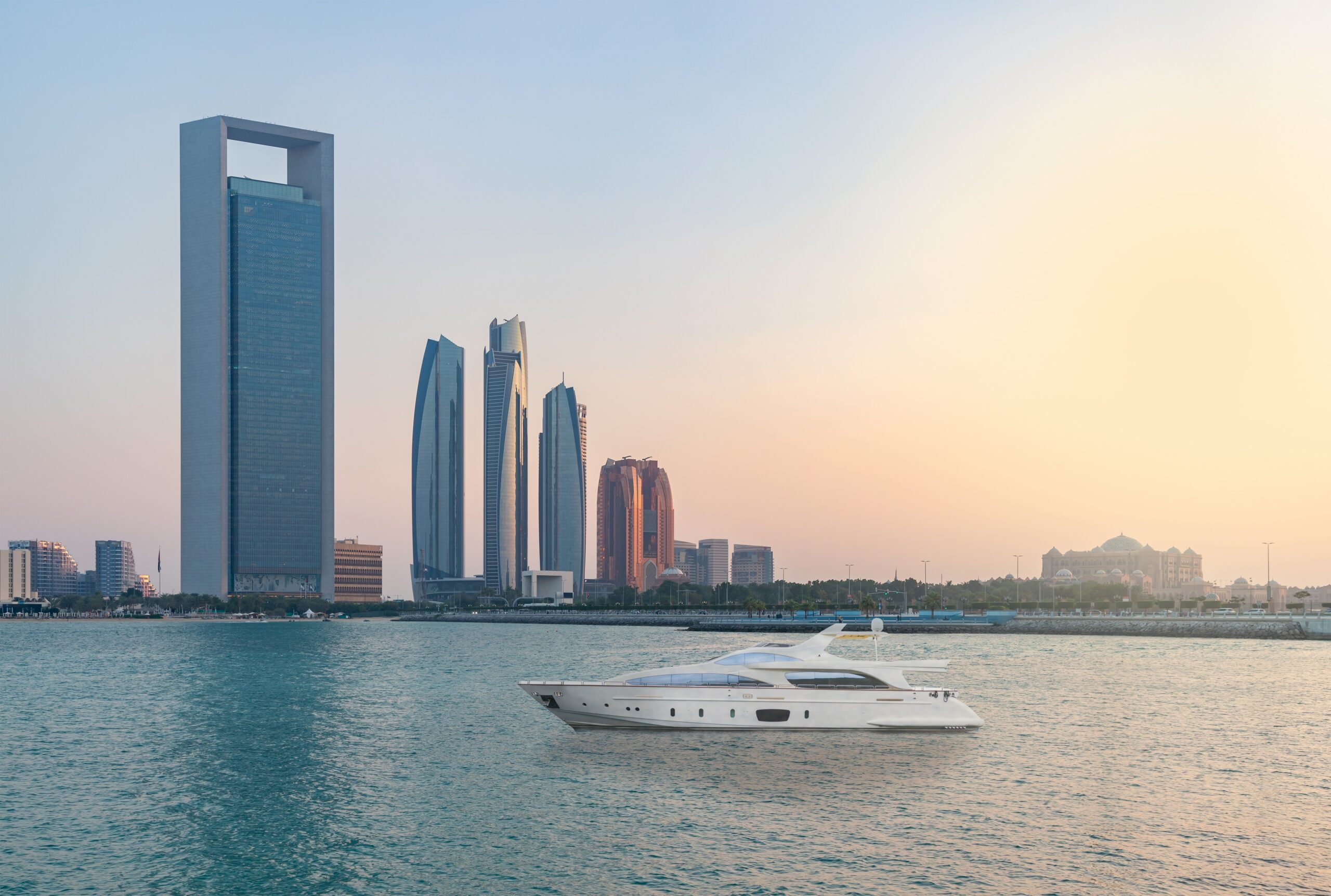 Yachts are expensive because they combine marine engineering, specialized construction, and residential-style comfort in one package. Every part of a yacht must be built to handle a demanding environment that includes moisture, salt, UV exposure, vibration, and constant movement. Construction materials alone add significantly to the cost. Hull design, propulsion systems, generators, electronics, navigation equipment, plumbing, climate control, and safety gear all require marine-grade quality. Interiors can include premium finishes, full galleys, multiple staterooms, entertainment systems, and outdoor living spaces.
There is also the expertise involved. Designing, building, outfitting, and servicing yachts requires specialized labor. Skilled marine technicians, electricians, mechanics, naval architects, and craftspeople all contribute to the final product. In that sense, a yacht is not just a boat. It’s also a floating living space, just like a vacation home, that must perform safely and reliably offshore.
What About Yacht Insurance?
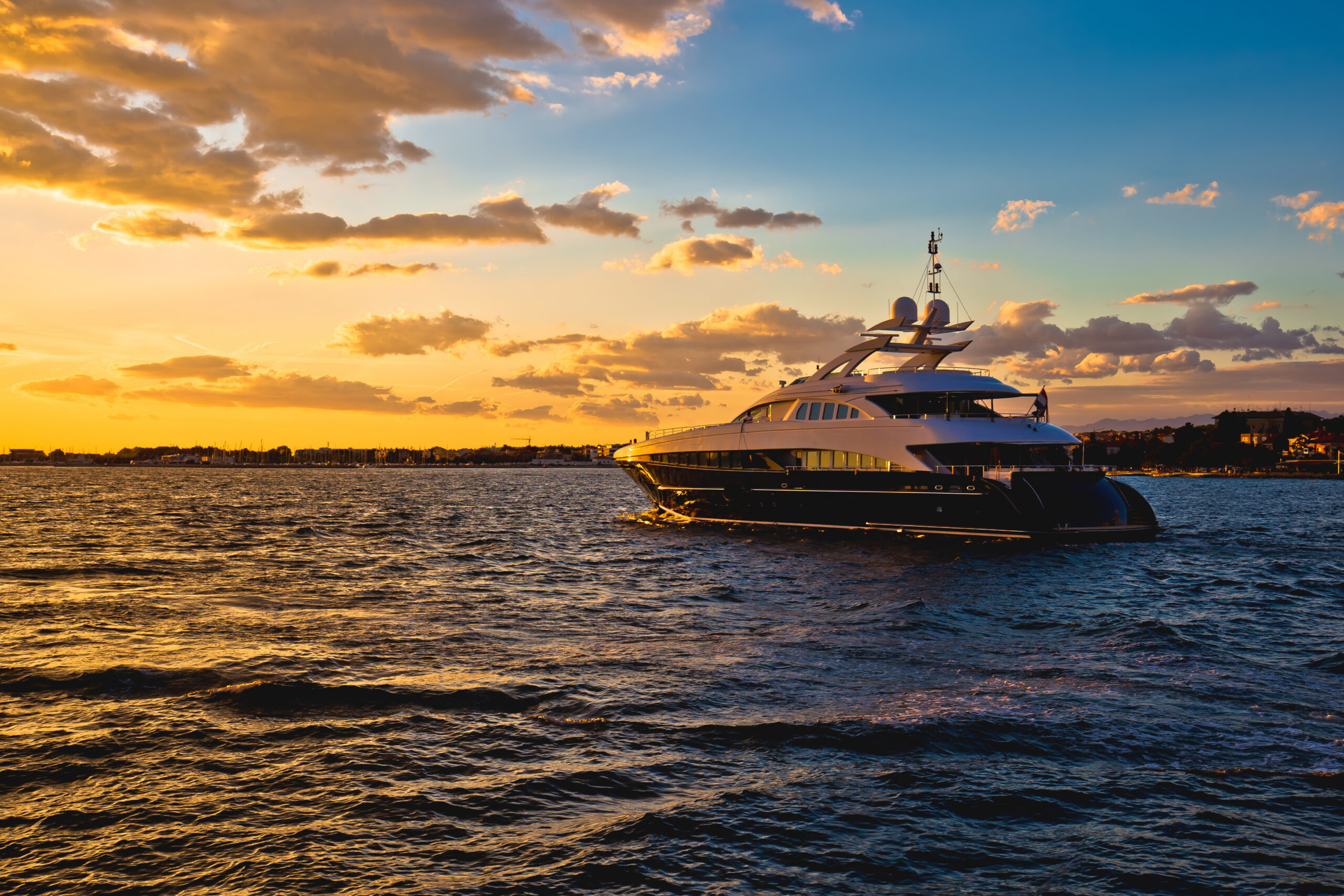 Yacht insurance is an important part of yacht ownership, and buyers should factor it into the overall cost from the very beginning. While some people use the terms “boat insurance” and “yacht insurance” interchangeably, yacht policies are often designed for larger (27 feet or above), more valuable vessels with more complex risks, navigation plans, and onboard systems.
Why 27 Feet Makes a Difference
The 27-foot cutoff exists as the point at which a vessel transitions from a recreational watercraft to a complex, high-value marine asset with significant liability exposure. Because larger boats have complex propulsion systems and more sophisticated electronics, the severity curve steepens significantly after 27 feet.
From an insurer’s perspective, the 27-foot cutoff between a boat and a yacht exists for a few reasons. First, boats over 27 feet are well-equipped with inboard propulsion systems, complex electrical systems, and enclosed cabins, heads, and galleys. With all of these enhancements, if something goes wrong in the water (whether a fire, hurricane, sinking, or mechanical failure), total losses become far more common and far more costly.
Boats under 27 feet, such as bowriders and center consoles, are typically used only during the day for shorter trips nearshore or inland. Vessels over 27 feet can offer longer adventures, overnight trips, and greater offshore capability. In turn, this increases navigation risks for night running and offshore routing, the likelihood of exposure to inclement weather (including named storms), and crew and passenger liabilities.
Because large boats and yachts can carry more passengers and operate in higher-risk environments, liability exposure increases twofold, from guest injuries to multi-vessel collisions and docking incidents with higher property value. It’s important to note that in the event of storms, smaller boats are able to be removed to a safer location more easily than larger boats and yachts. If a serious storm or hurricane hits a marina, it can trigger a domino effect or cause multiple watercraft losses.
Yacht Insurance Policies
If you’re navigating yacht insurance, you’ll need to be prepared to share captain experience logs, prior vessel ownership, operation experience of similar-sized vessels (typically within 10 feet), and navigation limits (coastal, offshore, Bahamas, etc.). With all things considered, yacht insurance justifies different underwriting disciplines, broader and more expensive coverage forms, and more stringent risk controls.
A yacht insurance policy may help cover physical damage to the vessel, injury or property damage liability, theft, storm damage, and certain medical or towing expenses, depending on the policy. Some policies also include coverage for personal effects, tenders, fishing equipment, and temporary repairs. For larger yachts or vessels used in specific cruising areas, insurers may also closely examine the captain’s experience, navigation limits, lay-up periods, and storm plans.
Because yachts can represent a major financial investment, coverage should be tailored to how and where the vessel is used. Agreed value versus actual cash value, hurricane haul-out reimbursement, uninsured boater coverage, and salvage protection are all details worth reviewing carefully. The right yacht insurance policy is not just about meeting marina or lender requirements. It’s about protecting your investment and helping you get back on the water if the unexpected happens.
Is Chartering a Yacht Worth It?
 For many people, renting or chartering a yacht is often far less expensive than owning one outright, especially if you plan to use it only occasionally. Chartering gives you access to the experience without committing to year-round maintenance, storage, insurance, and operating costs. This makes chartering especially attractive for vacationers, first-time yachters, families planning a special outing, or boaters who want to try the lifestyle before considering ownership. Instead of absorbing the full cost of a vessel, you pay for the time you actually use.
That said, charter prices can still vary significantly depending on the yacht’s size, destination, season, and whether the charter includes a captain, crew, fuel, catering, or watersports equipment. Even so, for occasional use, chartering is often the more affordable and practical route.
How to Rent or Charter a Yacht
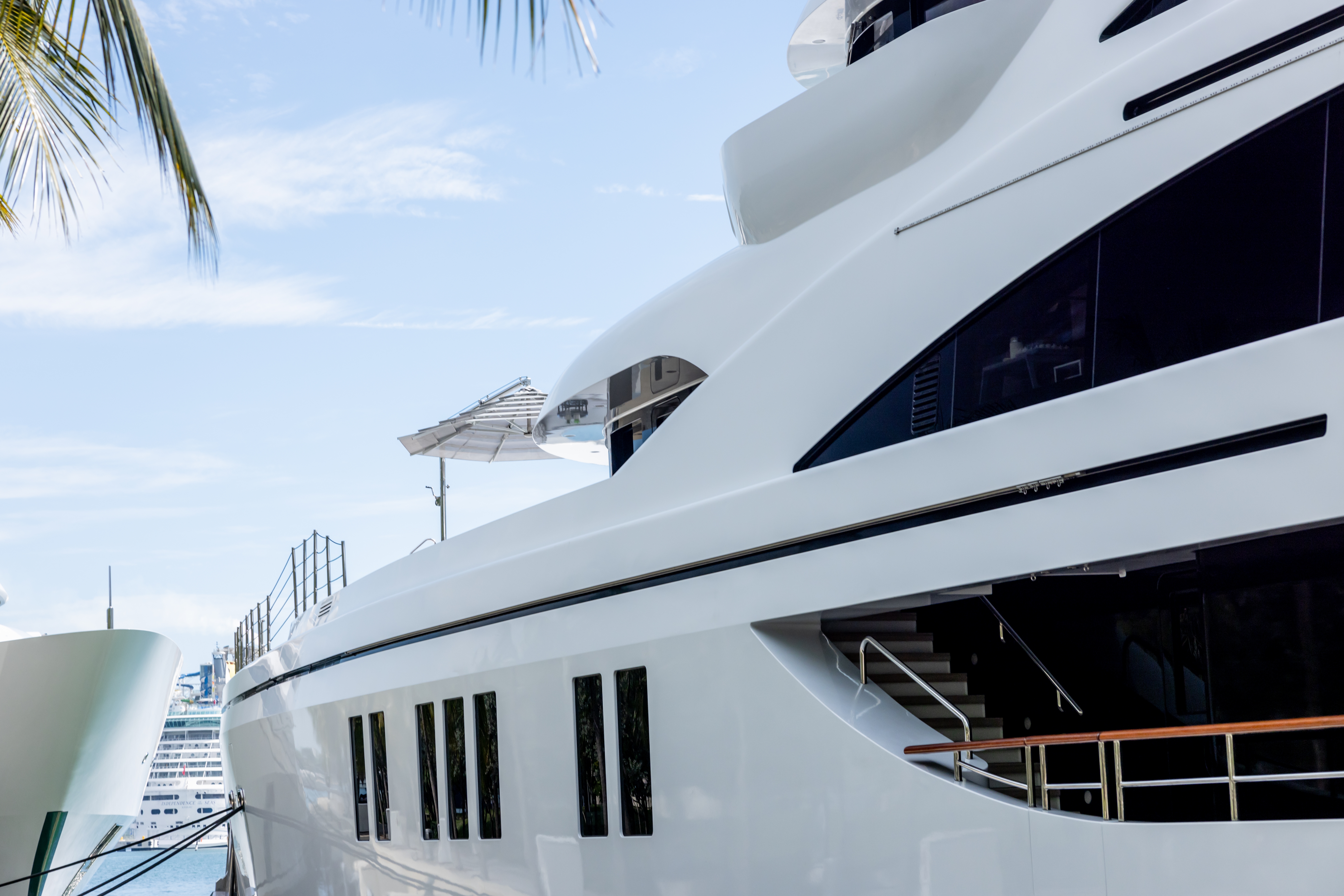 The first step in renting or chartering a yacht is deciding what kind of experience you want. Some charters are short day cruises, while others are weekend escapes or full-week vacations. Once you know the type of yachting journey that suits you best, you can narrow down the right boat, destination, and price point.
Most people charter through a reputable broker, charter company, marina, or established rental platform. You will typically select your destination, dates, group size, and budget, then compare available yachts. It’s important to review exactly what is included in the charter fee. Some yachts come fully crewed and all-inclusive, while others may be bareboat rentals or charge separately for fuel, food, gratuities, or equipment.
What Makes Yachting So Enjoyable?
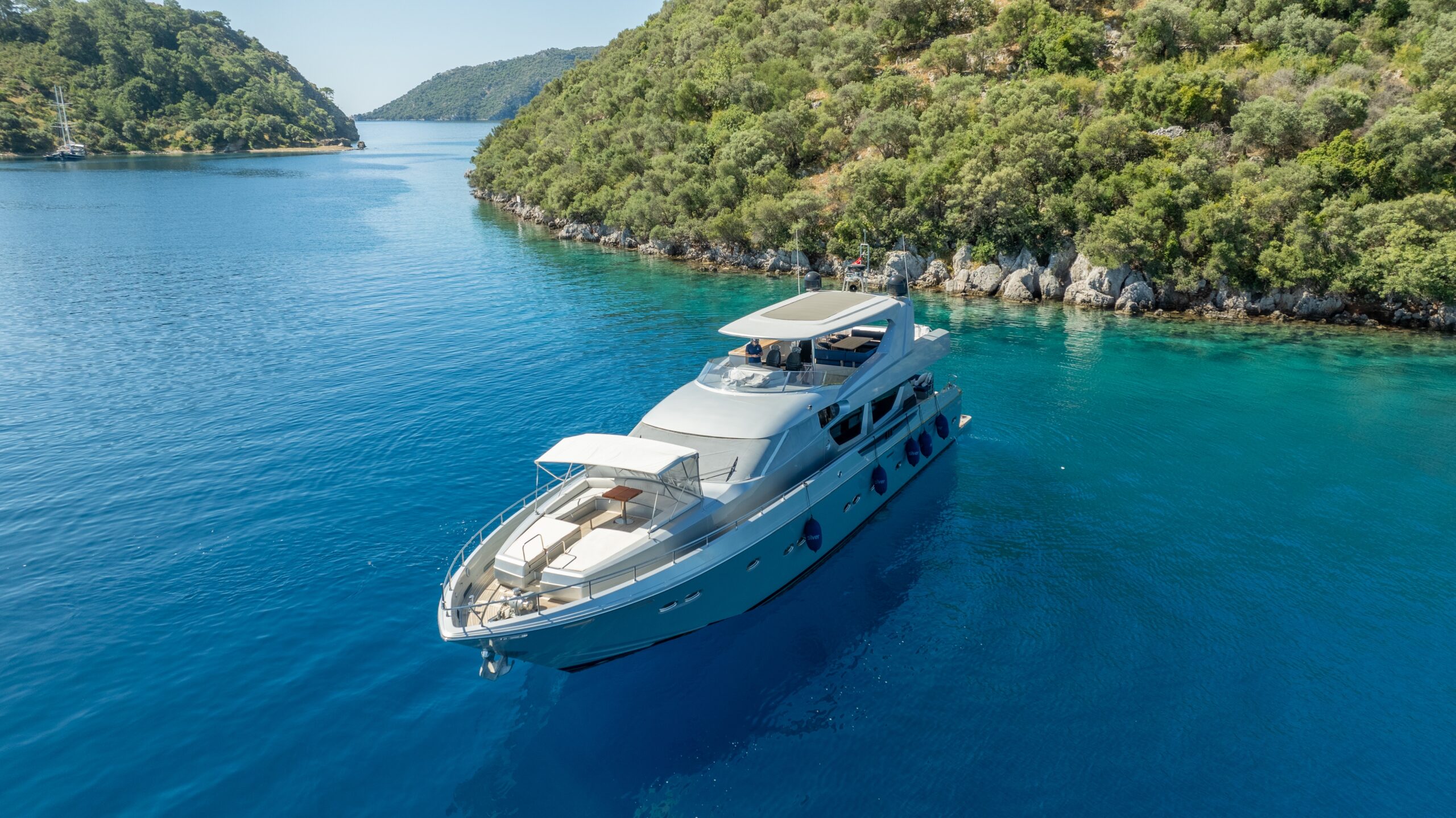 What draws people to yachting is the combination of adventure, comfort, and access. A yacht can take you to scenic harbors, quiet coves, waterfront restaurants, offshore fishing grounds, and island destinations that are harder, or impossible, to enjoy from land. It gives you a front-row seat to sunsets, marine life, and open-water scenery.
Yachting can also be tailored to different kinds of boaters. Some enjoy the social side, with meals, conversation, and sunset cruising. Others are there for water access, swimming, snorkeling, fishing, paddleboarding, or watersports. For families, it can be a memorable way to travel together. For couples, it can create a more private and relaxed getaway.
There is also something special about the freedom of the boating lifestyle. Whether you are cruising for the day or spending several nights aboard, yachting offers a unique sense of escape that keeps people coming back to the water.
What to Wear on a Yacht
 Yacht attire doesn’t have to be formal, as it’s often depicted on screen, but it should be practical. What you wear depends on the weather, the type of trip, and the expectations of the yacht or charter host. In most cases, you want to stay comfortable, protected from the sun, and able to move safely around the deck.
Lightweight, breathable clothing is a smart starting point for warm-weather cruising. Swimsuits, cover-ups, shorts, polos, sun shirts, and casual resort wear all fit the setting. Polarized sunglasses, a hat, and sunscreen are essential for daytime outings. On cooler days or evening cruises, a light jacket or shawl can make a big difference.
Footwear matters too. Many yachts prefer non-marking deck shoes or clean, soft-soled sandals. High heels, heavy shoes, and dark soles that can scuff the deck might prove to be a poor choice. In general, the best rule is to dress for the marine environment first and the photo second.
Does Yacht Rock Have Anything To Do With Yachting?
 While yacht rock doesn’t have anything to do with yachting directly, the association makes sense. Yacht rock is a nickname for a polished style of soft rock and pop music that peaked in the late 1970s and early 1980s. The style is known for smooth production, easygoing rhythms, and a relaxed, coastal feel.
Artists often linked to yacht rock include Christopher Cross, Kenny Loggins, Michael McDonald, Toto, and Hall & Oates. The term itself is more about mood than boating accuracy. It reflects a certain breezy, upscale, carefree vibe that people now jokingly connect with life on the water. So while yacht rock is not an official soundtrack of yachting, it certainly fits the atmosphere of a calm afternoon cruise or a sunset at anchor.
The Bottom Line on Yachts
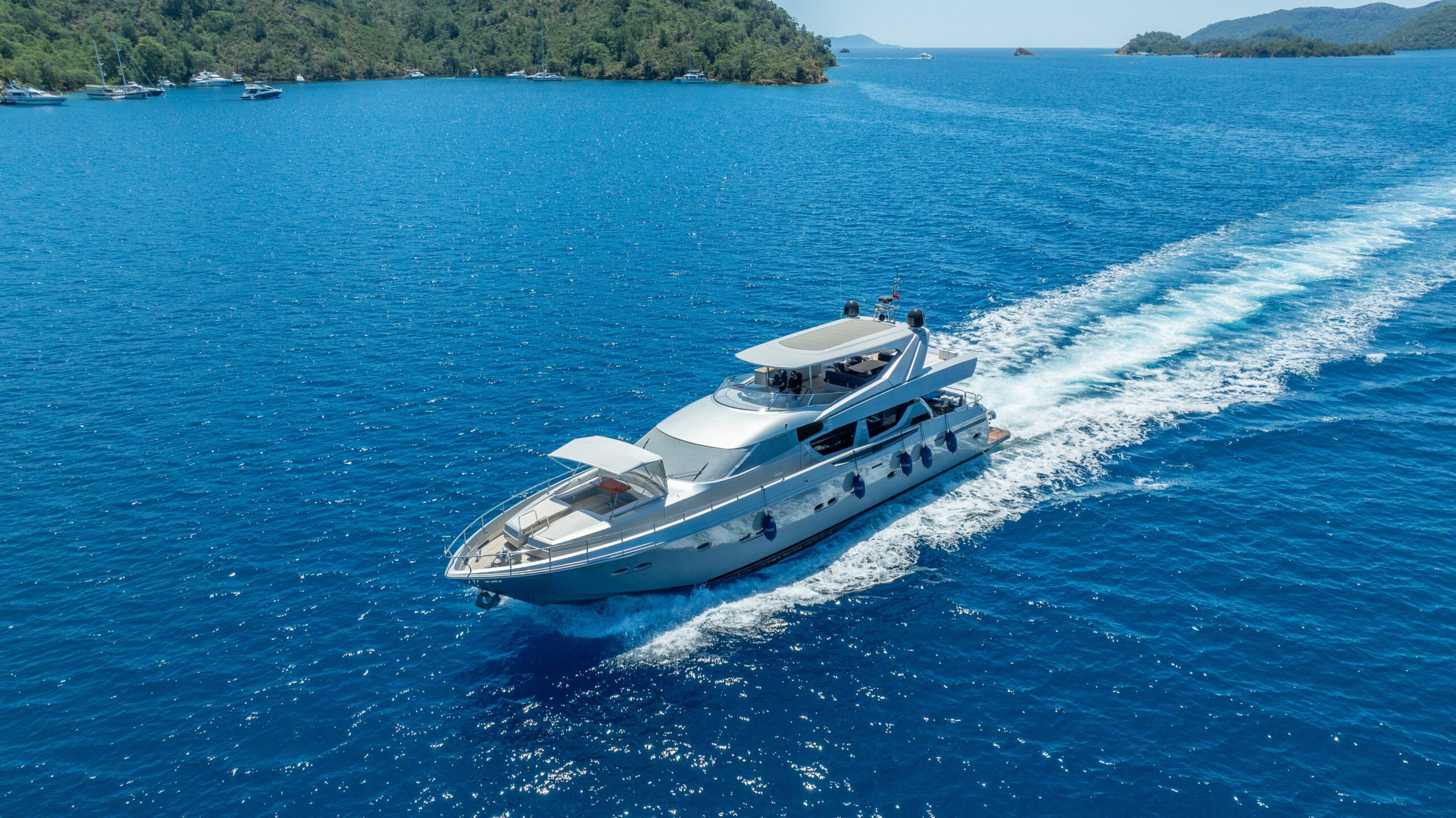 Yachts and yachting can seem exclusive at first glance, but the fundamentals are easier to understand than many people expect. At its core, yachting is simply another way to enjoy the boating lifestyle — one that emphasizes comfort, range, and time on the water.
Whether you’re curious about yacht ownership, considering a charter, or just trying to better understand the appeal, it helps to look past the image and focus on the experience itself. Like any boating decision, the right choice depends on your budget, your goals, and how you want to spend your time afloat. That includes understanding not just purchase price and operating costs, but also the importance of protecting your investment with the right insurance coverage. For many boaters, yachting is not really about status, but about access, freedom, and making the most of life on the water.