BOATERS BLOG
Boat Emergency Basics: Tips for Navigating Stressful Situations on the Water
By NBOA •March 12, 2025
Boating is one of life’s greatest pleasures, offering adventure, relaxation, and endless fun. But just like driving a car, operating a boat comes with responsibilities—including knowing how to handle emergencies. Whether you’re dealing with sudden storms, capsizing, or understanding the speed limits on the water, being prepared can mean the difference between a minor mishap and a dangerous situation. In this guide, the boating experts at NBOA cover essential boat emergency basics so you can confidently navigate potential dangers.
Knowing the Speed Limits on the Water
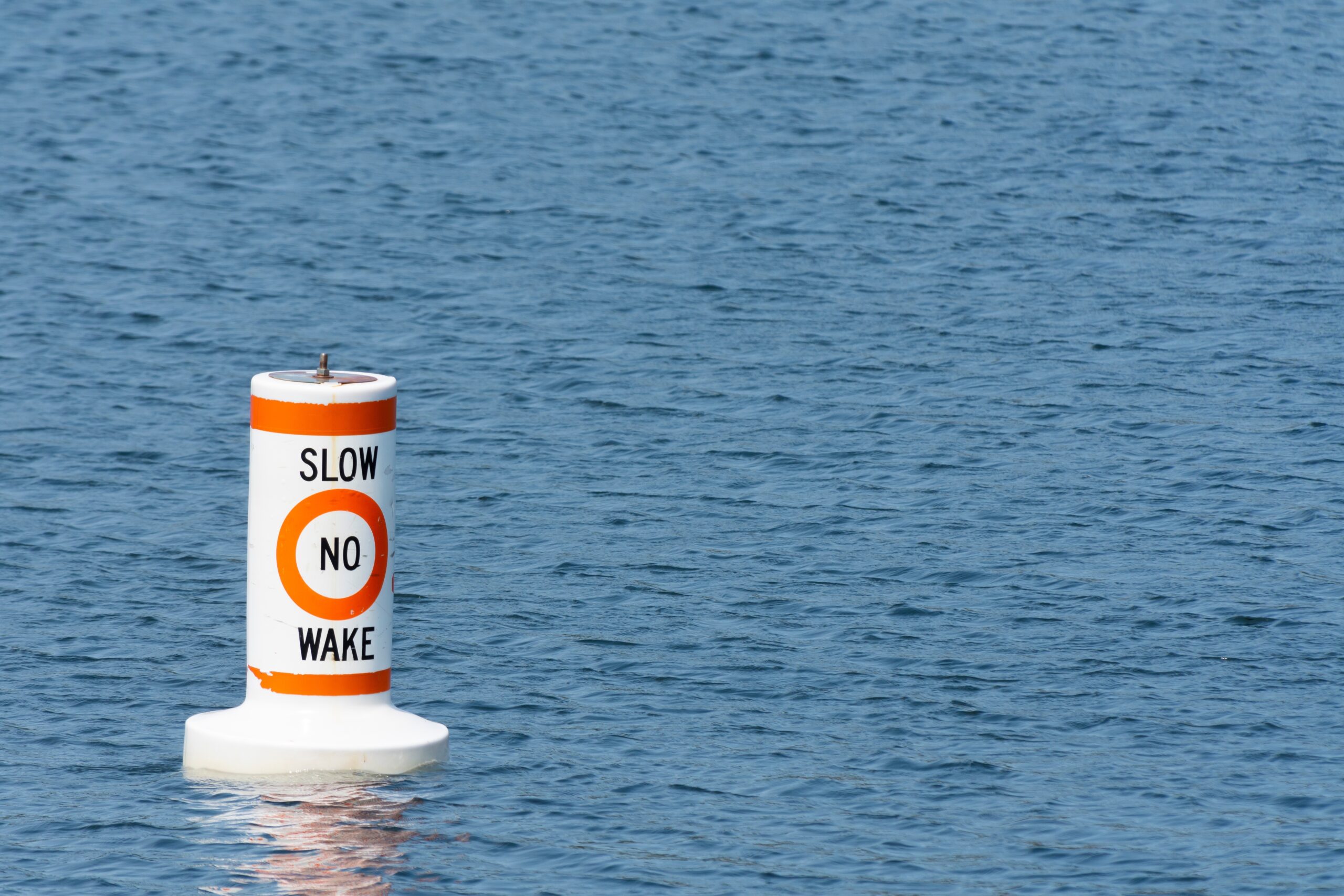 Unlike roads, waterways don’t have universally posted speed limits. In fact, speed limits on the water vary from state to state and waterway to waterway. They can also depend on the time of day, how congested the water is with other boaters and proximity to the shoreline. The good news is that obvious cues, like buoys, are available to boaters to help determine the appropriate boat speed. Here are a few to keep an eye out for.
- No Wake Zones – Areas near marinas, docks, and swimming spots require slow speeds to prevent waves (or “wake”) that can damage docks, disturb marine life, or endanger swimmers. Boating through these zones requires an extremely low speed.
- Restricted Speed Areas – Some waterways have specific speed limits due to congestion, wildlife protection, or environmental concerns. Always be aware of these limits and follow them accordingly to ensure your safety and the safety of others.
- Safe and Prudent Speed – In open waters, boaters must operate at a speed that allows them to react safely to obstacles, other vessels, and weather changes.
Failing to follow speed regulations can result in fines, accidents, or even serious injuries. Always check local boating laws before heading out, and remember: safety over speed.
What to Do If a Severe Storm Hits While Boating
 Weather can change in an instant on the water, and even if you check the forecast before heading out, unexpected storms can still arise. If you find yourself in the middle of a severe storm, it’s essential to remain calm and stay alert. Going into a panic can lead to poor decision-making. So, before anything else, take a deep breath and focus on getting yourself and your passengers to safety.
The first safety step is to ensure everyone is wearing a life jacket that is properly fitted. While children should already be wearing a life jacket, now is the time for adults to follow suit.
As you make your way to the closest shoreline, reduce your boat speed to prevent capsizing. If waves are high, approach them at a 45-degree angle instead of head-on. (Personal watercraft should continue approaching waves head-on.) This helps the boat stay stable. If land or shelter is too far away or you’re already caught in the storm, prepare to ride it out. Drop anchor to prevent your boat from drifting in dangerous areas.
It’s very likely that you’re not the only boat still out on the water. Between the rain or fog, other boaters nearby may also be struggling to see. Keep your navigation lights on and use sound signals to make your presence known. In addition to other vessels, ensure your eyes are peeled for different hazards, including debris, stumps, and shallow areas.
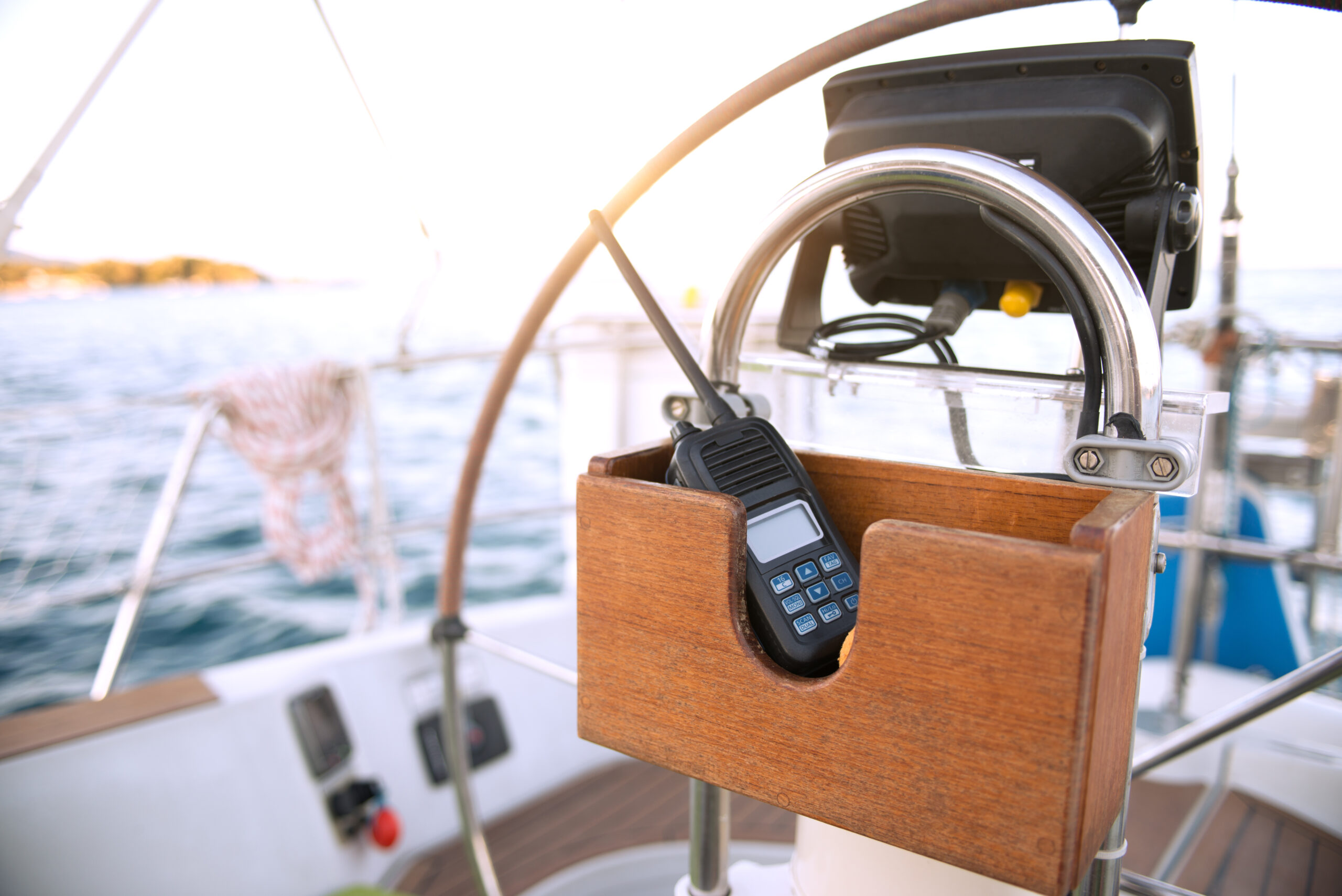
Finally, use a VHF radio to listen for weather updates and communicate with the Coast Guard if needed. Channel 22 offers updates from the Coast Guard regarding safety warnings, such as weather warnings, to both commercial and recreational boaters.
What to Do If Your Boat Capsizes
 A capsized boat means it has flipped over or turned onto its side—a terrifying situation but one that can be survived if you act quickly. Luckily, most boats are designed to stay afloat even when capsized. The most important thing you can do to ensure safety is to stay with your boat. This tactic increases visibility for rescuers and provides a floating surface to hold onto. If the boat is still floating, try to climb onto the hull. This reduces the risk of hypothermia (especially in cold water) and makes you more visible to rescuers.
Once you’re in a good position, signal for help. Use a whistle, flares, or mirrors to attract attention. If you have a waterproof phone or VHF radio, call for help immediately. If you’re boating with others, take a head count and make sure everybody stays together. If necessary, lend a hand, toss a raft, or row your boat to others in need.
If the Boat Floats Away, Stay Calm and Float
 If you become separated from your boat, it’s time to float while you wait for help. While wearing your life jacket, float on your back to conserve energy. Treading water is never recommended as it utilizes a lot of energy and quickly reduces your body temperature, especially in cold water. Instead, hold your knees close to your chest to conserve energy. If you’ve made the grave mistake of neglecting your life jacket, look for floating debris to help you stay above water.
Capsizing often happens due to overloading, sudden shifts in weight, or rough waters. Always distribute weight evenly, avoid making sharp turns at high speeds, and be mindful of weather conditions.
Boating emergencies can be frightening, but knowledge and preparation can make all the difference. Understanding speed limits, knowing how to handle storms, and preparing for capsizing can help you navigate potential dangers calmly and safely. Before heading out on the water, always check the weather, wear a life jacket, and ensure your emergency equipment (like flares, radios, and first aid kits) is on board and in working condition. The best boating adventures are the ones where you come back safe and sound!
For more safety tips or to be the most prepared with boat insurance, contact the experts at NBOA.
Stay prepared, stay safe, and enjoy the water responsibly.