BOATERS BLOG
As the largest state in the United States, Alaska boasts some of the most impressive waterways, from the icy fjords of the southeast to the vast rivers and lakes of the interior and the rough waters of the Bering Sea. Whether you’re a seasoned sailor, a fishing enthusiast, or just eager to spot some wildlife, Alaska offers unparalleled opportunities and a boating adventure for everyone! In fact, the state is home to 3 million lakes, 12,000 rivers, 100,000 glaciers, and 17 of the country’s highest mountain peaks. Before you head out on the chilly Alaskan waters, the experts at NBOA have created the ultimate guide to walk you through some of the best places to visit by boat, critical safety guidelines, and tips for navigating Alaska’s unique boating laws.
FAVORITE PLACES TO GO BOATING IN ALASKA

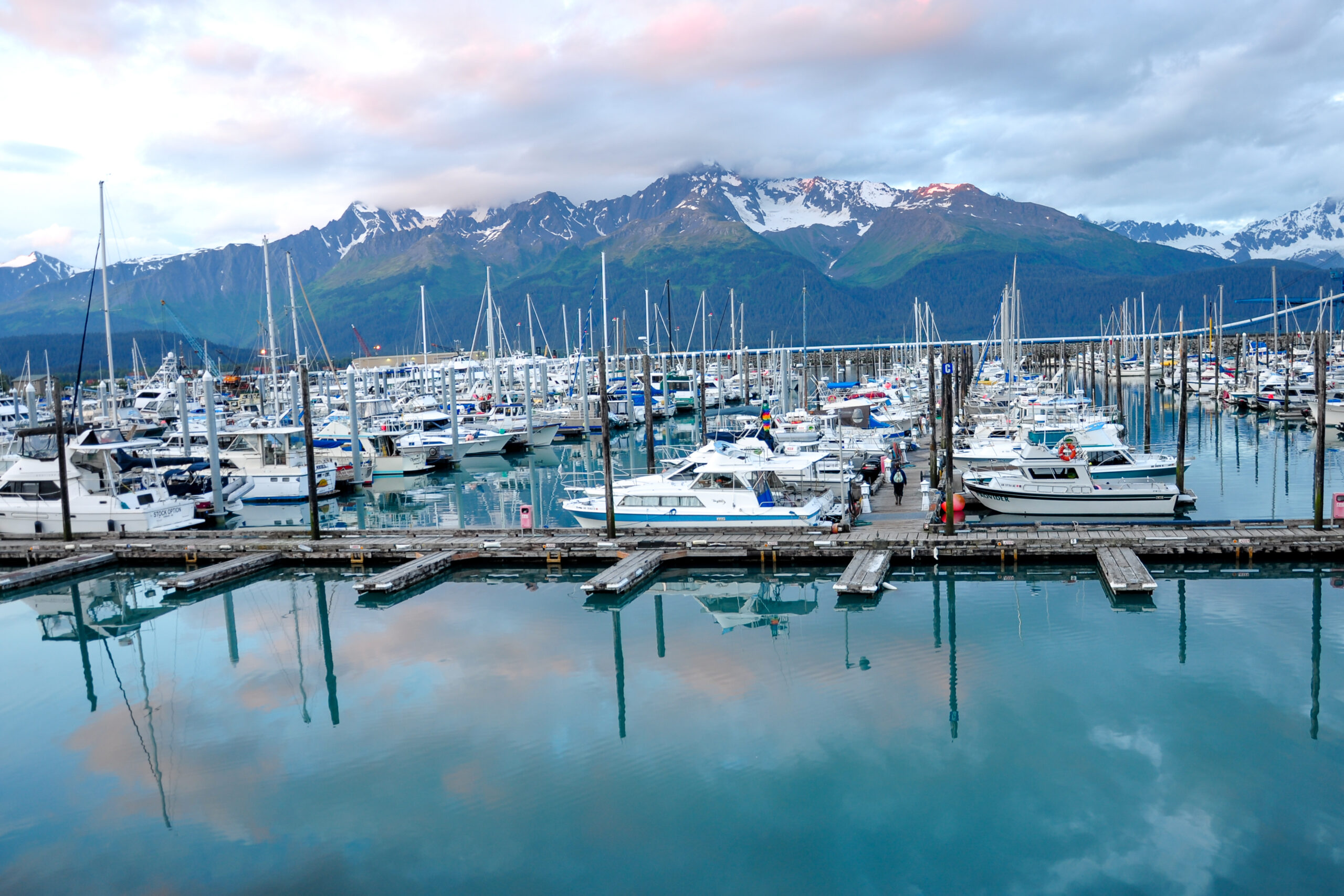
- Kenai Fjords: Located in Southcentral Alaska, with easy access from Seward Boat Harbor, Kenai Fjords is a dream come true for wildlife watchers, and much of it is only accessible by water. Whether kayaking or relaxing on a boat tour, stunning tidewater glaciers, sea otters, whales, seals, and a variety of bird species will make this boating experience one you will remember forever.
- Resurrection Bay: If you’re looking to extend your Kenai Fjords adventure, add Resurrection Bay to your itinerary. Perhaps the top destination for sailing in the United States, Resurrection Bay is located on the southeast coast of the Kenai Peninsula. Whales, sea lions, and harbor seals are often swimming about while murres, puffins, and even mountain goats visit the beaches and cliffs that surround the bay.
- The Inside Passage: Stretching from the southern tip of Alaska to the top of the panhandle, The Inside Passage is a popular bucket-list route along the Pacific Ocean. Sail from Ketchikan through Juneau and finish your voyage in Skagway while you explore plenty of coastal towns and spy an abundance of rich wildlife. Although the region’s boating season begins in early March and ends in October, many boaters cruise the southern region during the winter months.
- Yukon River: If river boating is more your style, consider a trip on the Yukon River. The longest river in Alaska and the third longest in the U.S., the Yukon offers 2,000 miles of a unique wilderness boating experience between Alaska and Canada. On the Alaska side, the river runs from Eagle Alaska through the village of Emmonak in the western delta region.
- Bristol Bay: Home to the world’s largest sockeye salmon fishery, Bristol Bay is a must-visit for fishing enthusiasts. With Dullingham as the hub, Bristol Bay offers a variety of boating experiences such as sport fishing, sightseeing, and wildlife viewing.
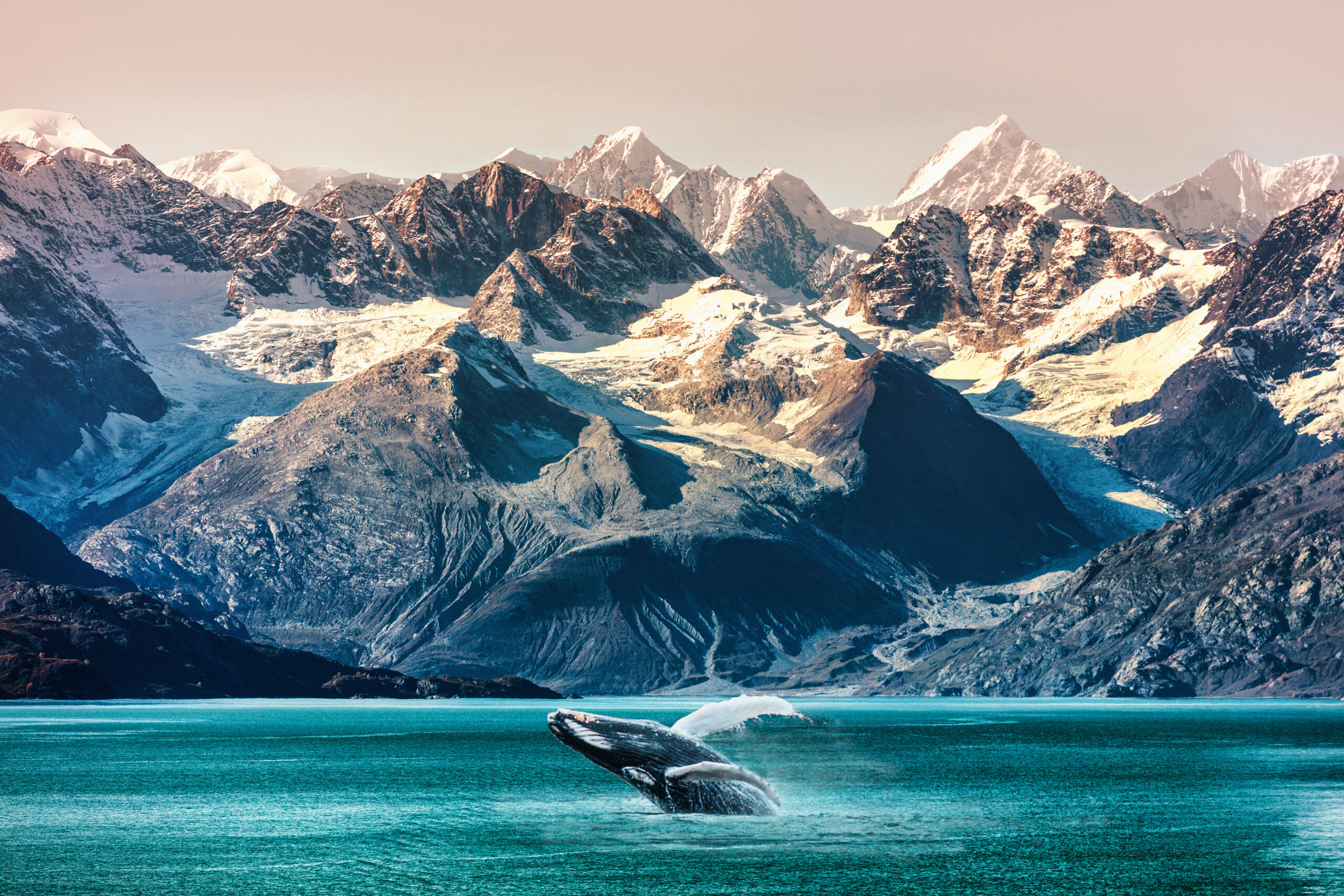
- Glacier Bay: The best way to enjoy Glacier Bay National Park & Preserve is by boating, kayaking, river rafting, fishing, glacier viewing, or whale watching. Impressive mountain tops, a few active tidewater glaciers, ice-sculpted fjords, and the tallest coastal mountains in the world, Fairweather Range, create picturesque scenery. While humpback whales, orcas, sea lions, harbor seals, sea otters, and porpoises fill the waters, boaters may also spot bears, moose, wolves, deer, mountain goats, and bald eagles on land.
NAVIGATING ALASKA’S BOATING LAWS & SAFETY TIPS
Boating in Alaska comes with unique challenges, such as cold water temperatures and rapidly changing weather conditions. Here are a few key safety laws and tips:
- Complete a Boater Education Course: Although Alaska does not require a boating license to legally operate a motorized boat, it’s always a good idea to learn the “rules of the road.” If you plan to operate a personal watercraft or motorized boat within 1/2 mile from the shore and were born after January 1, 1986, it is required that you pass a boater education course.
- Always Wear a Life Jacket: Alaska law requires a U.S. Coast Guard-approved life jacket for each person on board a boat. Given the cold water temperatures, a life jacket is an essential safety item.
- Never Drink While Boating: Drinking while boating is extremely dangerous and illegal in Alaska.
- Monitor the Weather: Since weather conditions in Alaska can change rapidly, always check the forecast as close to your departure time as possible. While on the water, it’s a good idea to continue monitoring the weather.
- Prepare for Cold Water: Hypothermia is a serious risk when boating in Alaska. In addition to wearing a life jacket, consider a wetsuit or drysuit, and always have a way to call for help in an emergency.
- Make a Float Plan: Let someone know where you’re going and when you plan to return. If you don’t return as scheduled, this person should alert authorities right away and share your navigation plan.
- Bring the Right Equipment: Depending on where you’re boating, being well-equipped might mean having easy access to navigation aids, communication devices, flares, fire extinguishers, a first aid kit, extra food and water, extra clothes, etc.
- Consider Alaskan Boat Insurance: Boat insurance in the state of Alaska is not required by law. However, it is always in the best interest of boaters to obtain boat insurance before setting sail.
COMMERCIAL FISHING VESSELS
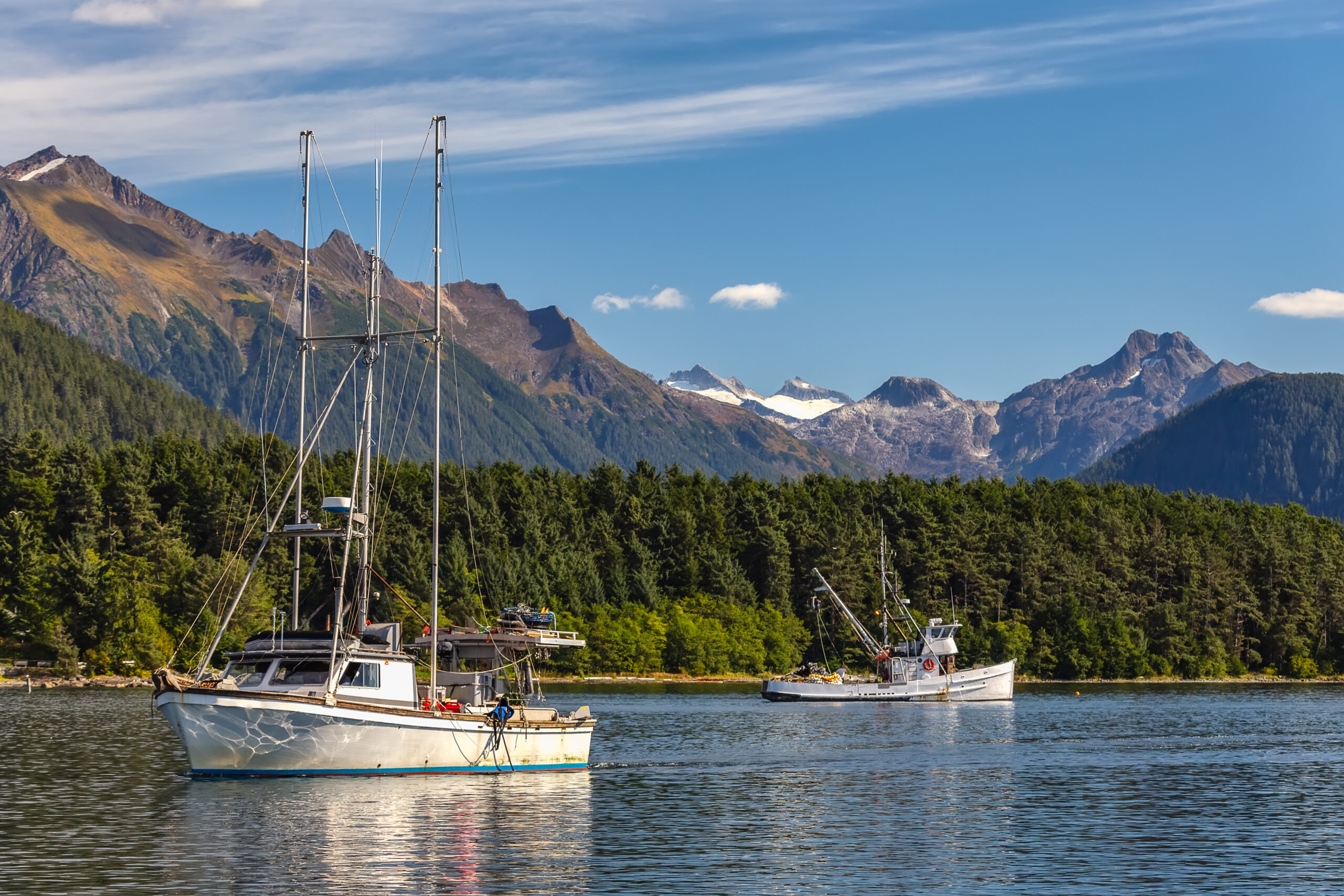
For hundreds of years, Alaska has been renowned for its bountiful seafood industry, making commercial fishing a significant piece of the state’s economy. It’s common to spot all sorts of fishing boats in Alaska, including trawlers, longliners, seiners, gillnetters, and crab boats, each serving a specific purpose and targeting different species. From smaller commercial fishing boats used in near-shore fisheries to large vessels that venture out into the Bering Sea and the Gulf of Alaska, numerous communities heavily rely on the fishing industry to sustain their livelihood.
TOURIST BOATS
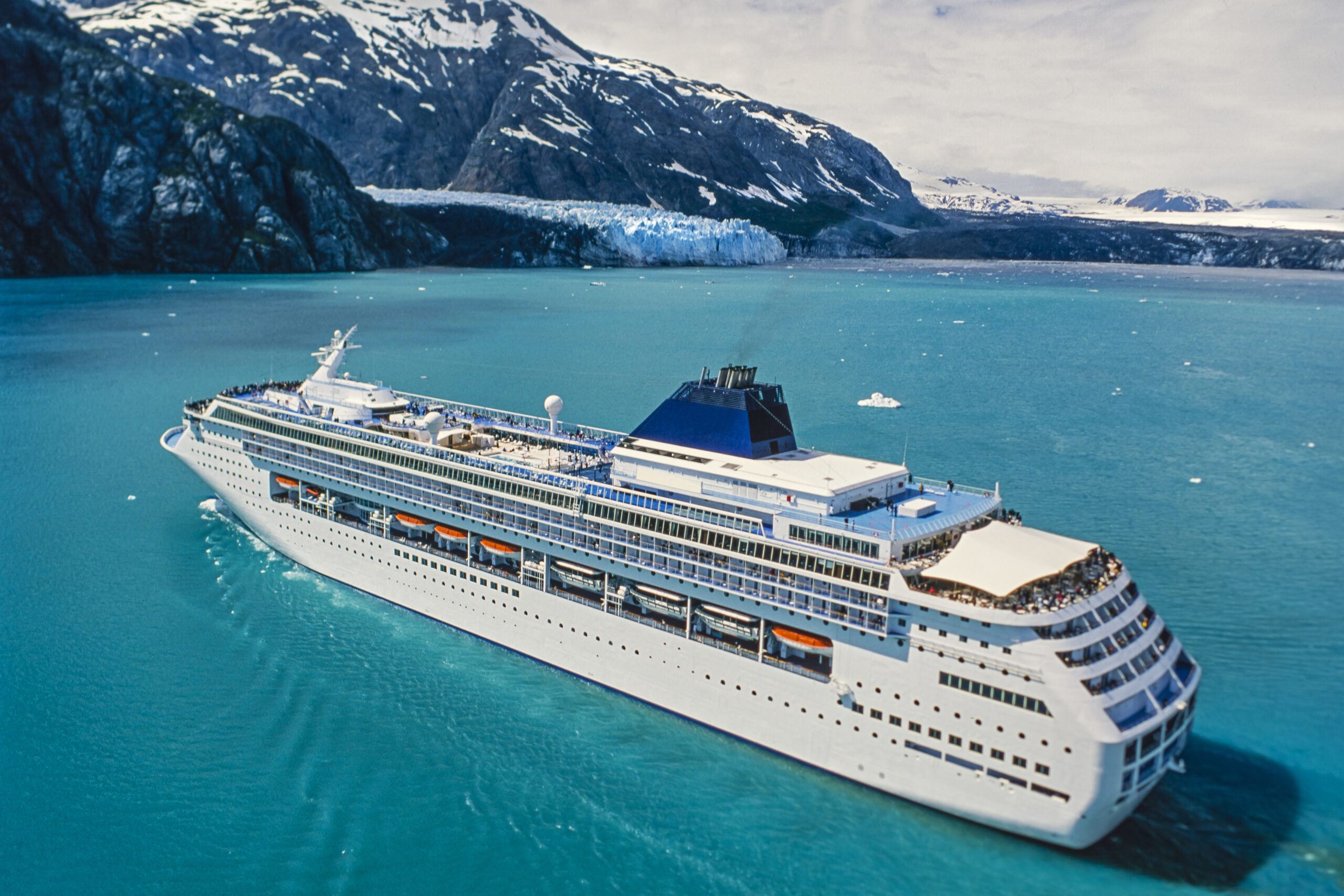
Tourism is also a critical source of economic growth in Alaska. From the fjords of Southeast Alaska to the rugged coasts of Southcentral Alaska, tourist boats play an integral role in Alaska’s thriving tourism industry. Sightseeing boats, whale-watching cruises, and fishing charters all offer an up-close and personal view of Alaska’s inspiring coastal views and incredible marine wildlife.
When the tourist season is at its peak during the summer months, these boats are a common sight along Alaska’s coastal waterways. They provide travelers opportunities to witness whales migrating, catch a glimpse of the iconic Alaskan brown bear, and appreciate the breathtaking beauty of Alaska’s pristine landscapes.
COMMERCIAL AND TOURIST BOAT INSURANCE
Given the inherent risks of operating a vessel in Alaskan waters, having appropriate insurance coverage is crucial for both commercial fishing vessels and tourist boats. Not only is it a wise business decision, but it’s often a requirement for securing commercial loans and dock agreements for certain harbors and marinas. While Alaska boat insurance policies usually cover physical damages to the vessel, gear, and machinery as well as liability exposures for bodily injury and property damage, commercial and tourist boaters should also consider the following:
- Protection & Indemnity (P&I): Protection to the boat owner or operator if they are held legally liable for damage to the vessel or injury to others.
- Jones Act Coverage: The Jones Act is a federal law that provides seamen with certain protections and rights in the event of injury. For commercial fishing vessels, this coverage is critical as it protects the owner in case a crew member is injured on the job.
- Charterer’s Liability Insurance: Most beneficial for tourist boat operators, this type of insurance provides coverage for legal liabilities while the boat is being chartered.
- Pollution Liability: Given the strict federal and state laws regarding pollution from vessels, this type of coverage may be particularly important for all commercial boats.
Selecting a boat insurance policy is no small task. For the best coverage and rate, it’s essential to work with an experienced insurance agent who understands the unique risks and insurance requirements associated with commercial and tourist boating in Alaska, such as the boating experts at NBOA.
While the allure of the sea might be captivating, it’s crucial to understand the responsibilities that come with operating a boat in Alaska, whether it’s personal or commercial. At NBOA, we provide everything you need to enhance your safety and coverage while you embrace the exciting opportunities the Alaskan waters and boating industry offers. With careful planning, proper preparation, and top-notch boat insurance, boating in Alaska is sure to be a thrilling adventure.